Politics & Government
PA Officials Dispel Coronavirus Vaccine Myths
PA officials are stressing the safety of the new COVID-19 vaccine, and say federal assistance is crucial to fight rampant disinformation.


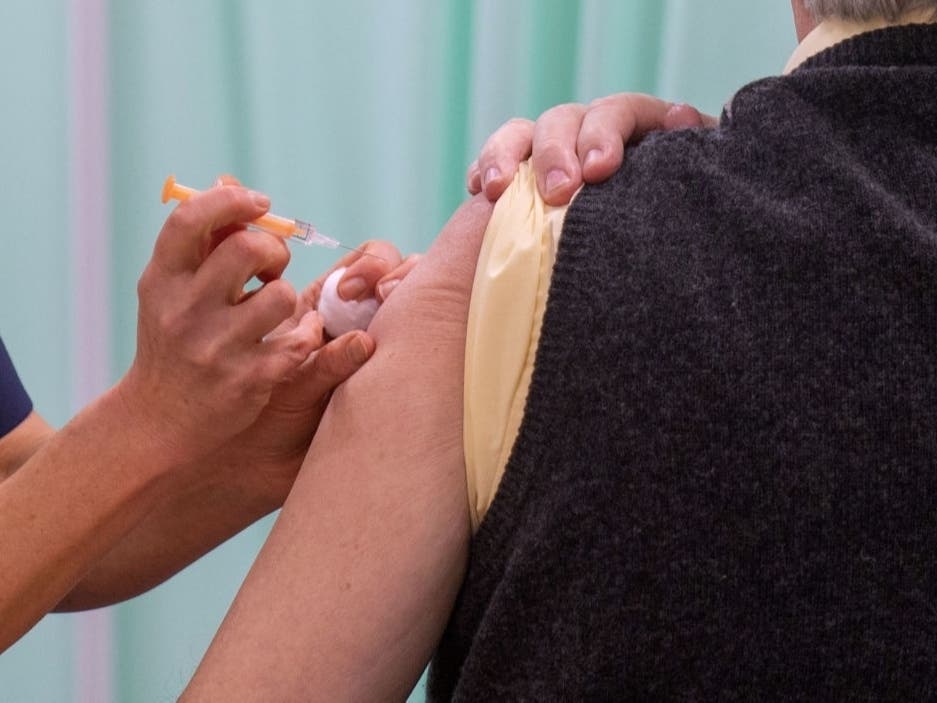
PENNSYLVANIA — As the rollout of the coronavirus vaccine continues across Pennsylvania, disinformation and rumors are a major roadblock officials face in the quest to end the pandemic, state officials have said. Such myths contribute to the ongoing anxiety many Pennsylvanians feel about the vaccine, which top health officials agree has been exhaustively proved as safe.
During a news conference Thursday, Gov. Tom Wolf and other officials addressed these lingering doubts, citing statistics from late in 2020 that showed roughly half of Americans were less than eager to receive the vaccine, and expressing optimism that there is an ongoing shift in this opinion in Pennsylvania.
"I think in the early going of anything, there are inevitably people who stand back," Gov. Wolf said. "But I'm actually really confident that as we talk to more people, the percentage of people (who want to get the vaccine) will increase."
Find out what's happening in Montgomeryville-Lansdalefor free with the latest updates from Patch.
Efforts to convince skeptical Pennsylvanians to receive the vaccine are already underway. Some of this is happening at the one-on-one level between physicians and their patients. Dr. Cynthia Chuang, chief of the Division of General Internal Medicine at Penn State Health Milton S. Hershey Medical Center, said that sharing personal stories about receiving the vaccine is the best way to "normalize it."
"Although initial numbers (about faith in the vaccine) may have seemed discouraging, I'm actually very optimistic," she added, noting positive conversations she'd had with many of her own patients.
Find out what's happening in Montgomeryville-Lansdalefor free with the latest updates from Patch.
Secretary of Health Dr. Rachel Levine says that the state has engaged leaders in minority communities about the vaccine, noting ongoing contact with African-American leaders in the Pittsburgh area. But, she noted, these efforts are limited; the state needs more funding and resources from the federal level.
"We need a federal communications message that is coming out about the safety and the effectiveness of the vaccine," she said. The state can then tailor a more widespread campaign that "dovetails" from that, and with more funding, can reach broader audiences.
As the state prepares a move into the 1B priority phase, which will allow a broader group of individuals, including seniors over 75, to be vaccinated, they await a $100 million funding package from the federal government. In addition to assisting with the vaccine infrastructure needed to roll out doses to more of the general public, the funding is also needed for the communication plan.
Conspiracies about the vaccine have taken hold across the internet, finding audiences of tens of millions on social media platforms like Facebook, Twitter, and Youtube, according to the Alethea Group, a research nonprofit that investigates and debunks disinformation online.
"They warn about alleged dangers of the COVID-19 vaccine, make false claims about hidden motives behind vaccine production, and promote conspiracy theories about how vaccines are made or how they will affect participants," a recent report from Alethea states. "For example, one of the most popular false claims in this narrative is that Dr. Fauci owns a stake in the COVID-19 vaccine patent."
Among some of the most common myths which Wolf and health leaders discussed Tuesday: the vaccines do not use live virus, so it is impossible to contract the virus from the vaccine. Some minor side effects are possible, but that's a good sign, because it means your body is learning how to fight the virus off, "like working out," Wolf said. Vaccines do not cost anything, and numerous studies have proved their safety and efficacy.
"Sometimes it can be hard to tell fact from fiction," Wolf said. "If you hear a rumor about COVID-19 from a friend, or see something online that concerns you, take a few minutes to verify the information before you get too worried. Five minutes of fact checking can save you and your loved ones a lot of worry.”
Delivery continues statewide, as public awaits next priority phase
Officials also addressed concerns over the speed of delivery of the vaccine, given that the state has administered only about a third of the doses it has received. States have also come under fire from the CDC for not administering doses efficiently enough.
Levine said these concerns were largely misplaced. The state has not received all of the vaccine it has been allocated, as shipments are still on the way. Moreover, even once received, vaccines take time to be prepared. The Pfizer vaccine, specifically, must be unfrozen; and the preparation process can take anywhere from one to two days.
Moreover, there is a reporting delay of 24 hours from hospitals and 72 hours from pharmacies, so that the most recently published statistics are not indicative of the current situation in real-time.
Meanwhile, millions of Pennsylvanians are eagerly awaiting the state to move into the next priority phase, 1B. Levine acknowledged the "natural tension" that exists between prioritizing the groups of people who need the vaccine the most, like healthcare workers and the elderly, and the simultaneous need to get as many "shots in arms" as possible.
While it's unclear exactly when this next phase will happen, Levine said that state officials are in the process of reviewing the latest information provided from the federal government.
"What we need from Operation Warp Speed is more detail on how much vaccine we're getting, and when we're going to get it," she added.
As of Wednesday, the state has administered 311,477 doses of the vaccine. A total of 30,172 of those individuals have received the full two doses.
Get more local news delivered straight to your inbox. Sign up for free Patch newsletters and alerts.