Health & Fitness
The Railroad Comes to Royer's Ford
A short description of the railroad coming to Royer's Ford with its far reaching effects which would include the naming of the town to be.
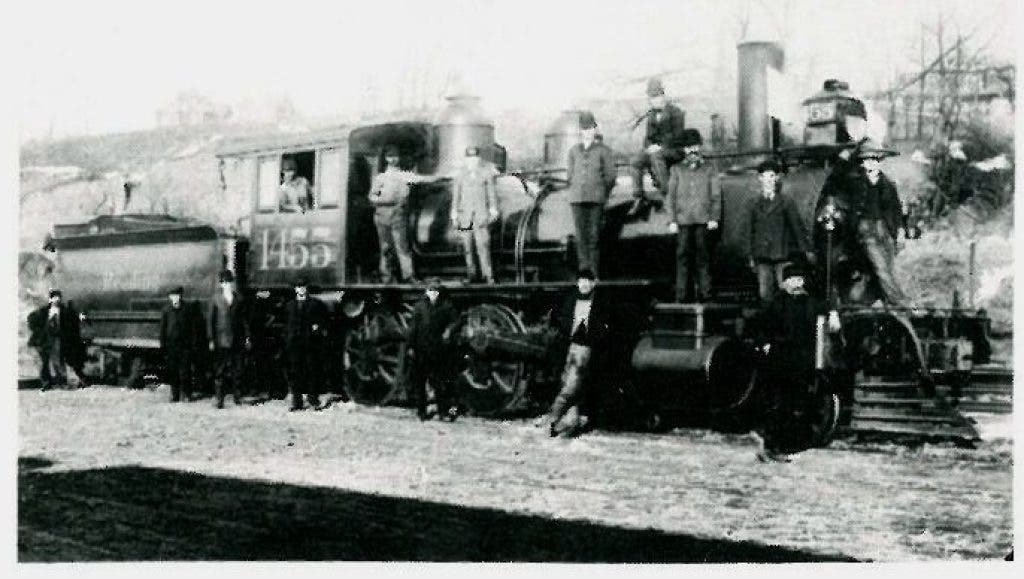


I was originally going to title this "The Railroad Comes to Town." The problem is
that in 1839 there was no town, unless a couple of newly built taverns trying to get the railroad ticket franchise warrants the use of the word town.
To be a bit more accurate there were two brother's in Spring City, Benjamin and David, who operated a ford helping those who preferred to keep their feet dry cross over to the Montgomery side of the river. Limerick township was mostly farms at this early time and when the railroad, (The Philadelphia & Reading) came through these parts they stopped at Schwenk's tavern and asked the locals what the name of this place was. One guy responded "It's Royer's Ford." This is how Royersford got it's name.
The Railroad Company placed a first sign on the front of the tavern giving a name to its new station and also to the town that would be not become an official borough until some 40 years later in 1879.
Find out what's happening in Limerick-Royersford-Spring Cityfor free with the latest updates from Patch.
In 1839 the inhabitants of the farm lands in this section had heard of the "iron
horse," which was soon to be disturbing an otherwise quiet and peaceful
settlement. The horrors of the iron horse were forgotten when the Philadelphia and Reading Railway did finally come through, bringing with it a new era of
prosperity and golden opportunities for heavy damage claims to each farmer who
was so fortunate as to possess land through which it must pass.
The far reaching effect of the railroad could not be fully realized back then but the
growth of the local area and subsequent industrialization occurred at a rapid pace once that first train came through town.
Find out what's happening in Limerick-Royersford-Spring Cityfor free with the latest updates from Patch.
That first train was pulled by a Gowan & Marx steam engine on December 5, 1839. It is interesting to note that it was 80 cars long and carried 1,635 barrels of flour, 23 tons of pig iron, 6 tons of coal, 2 hogsheads of whiskey, and 60 passengers in the 2 cars ar the rear of the train.
From those early years trains have continued to travel the track that was originally used primarily to haul coal from Northern Pennsylvanian Counties to the city of Philadelphia. For 173 years the whistles have continued to blow. Philadelphia & Reading, Reading Co., Penn Central, Conrail and now Norfolk Southern have all
been a part of this continuous run on the mainline.
Bill