Health & Fitness
'Highly Infectious' Horse Virus Causes Quarantine At Hunterdon, Somerset Farms: Authorities
The virus does not affect humans and other domestic animals, with the exception of llamas and alpacas.


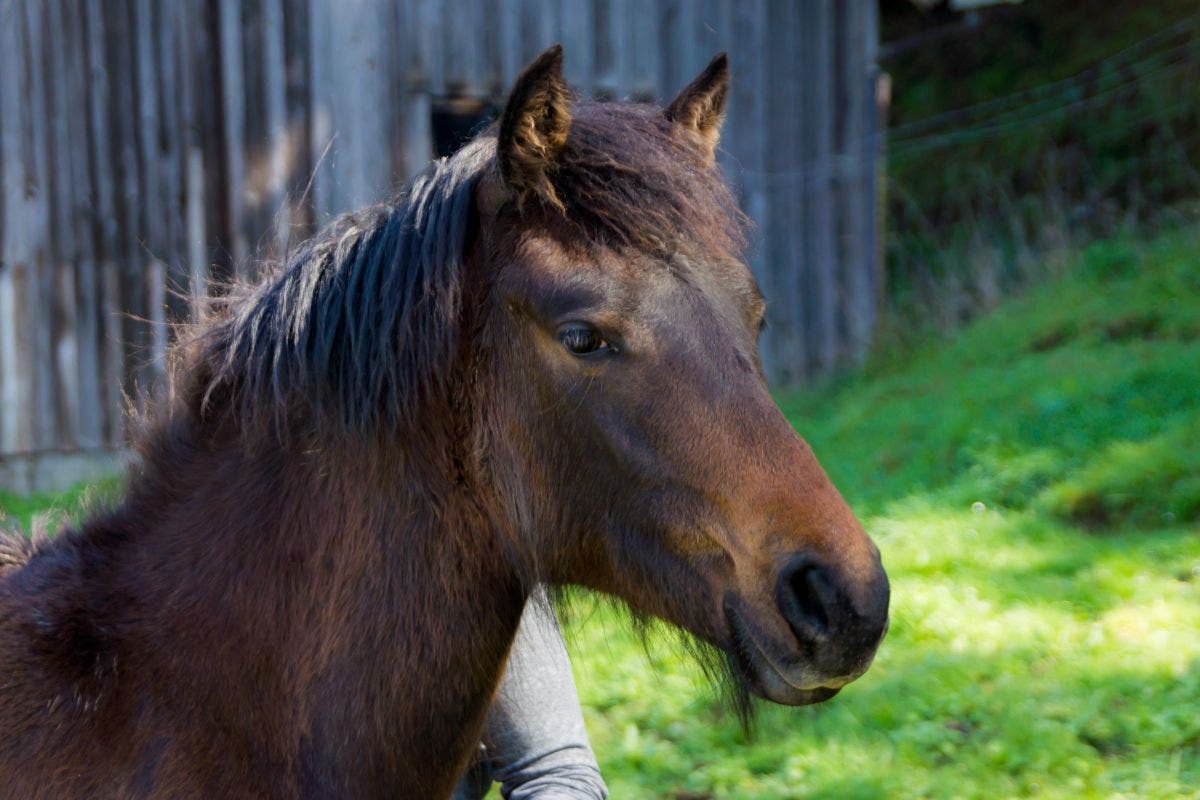
A horse that developed a "high infectious" and potential deadly virus has caused farms in Hunterdon and Somerset counties to be quarantined by the New Jersey Department of Agriculture.
The horse, whose location was not disclosed, was recently diagnosed with equine herpes myeloencephalopathy (EHM).
"EHM is the often deadly neurologic form of the Equine Herpes Virus (EHV-1) infection," according to an announcement from the NJ Department of Agriculture.
Find out what's happening in New Hope-Lambertvillefor free with the latest updates from Patch.
According to authorities, "no recent movement had occurred at the farm where the virus was reported prior to this case."
Once it was discovered the horse had the virus, it was moved into the isolation barn at a local animal hospital. "Both the horses at the original farm and the hospital are under quarantine," authorities said in the announcement.
Find out what's happening in New Hope-Lambertvillefor free with the latest updates from Patch.
Since nine horses were being treated at the hospital at the time of the diagnosis, several horses were exposed. Seven of these horses will be moved to a remote facility, which also will be placed under quarantine so the hospital can be cleaned and disinfected in order to reopen, authorities said.
None of the quarantined horses at either location are showing signs of infection at this time, officials at the Department of Agriculture said on Wednesday morning.
“The Department took swift action to prevent the disease from spreading to other horses by enacting a quarantine, which stops movement of horses in and out of the properties and puts in place preventive measures to contain the virus,” said New Jersey Secretary of Agriculture Douglas H. Fisher.
About EHV-1
- The organism spreads quickly from horse to horse and can cause respiratory problems, especially in young horses, spontaneous abortions in pregnant mares, and the neurologic form of the virus can result in death.
- The incubation period of EHV-1 is typically 2-10 days.
- Clinical signs include respiratory disease, fever, nasal discharge, depression, cough, lack of appetite, and/or enlarged lymph nodes. In horses infected with the neurologic strain of EHV-1, clinical signs typically include mild incoordination, hind end weakness/paralysis, loss of bladder and tail function, and loss of sensation to the skin in the hind end.
- The virus spreads readily through direct contact with infected materials. While highly infectious, the virus does not persist in the environment for an extended period of time and is neutralized by hand soap, alcohol-based hand sanitizers and sunlight.
- The virus does not affect humans and other domestic animals, with the exception of llamas and alpacas.
If an owner has a horse exhibiting neurologic signs or suspects Equine Herpes, they should call their veterinarian immediately, officials advise.
Get more local news delivered straight to your inbox. Sign up for free Patch newsletters and alerts.