Health & Fitness
Tick Species Never Before In U.S. Found At Hunterdon County Farm
The East Asian tick, never found before in the U.S., was located on a Hunterdon Co. farm Nov. 9. The potential risk is being investigated.


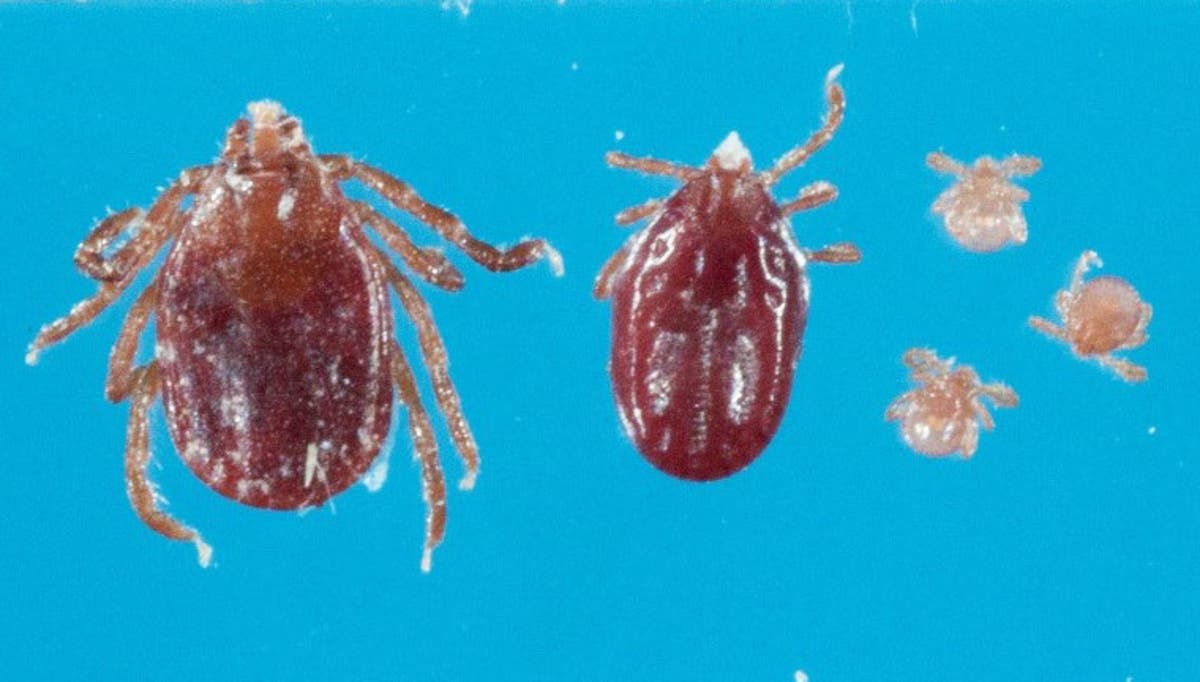
A rare and exotic East Asian tick not previously known to be present in the United States was found on a Hunterdon County farm this month, the New Jersey Department of Agriculture announced this week. Officials are investigating whether the ticks found locally carry pathogens that could be a risk to human or animal health.
Also known as the longhorned tick or bush tick, it was tested at the United States Department of Agriculture’s National Veterinary Services Laboratory following initial identification by the Monmouth County Tick-borne Diseases Lab.
It was found Nov. 9. Officials did not say in which town the farm is located.
Find out what's happening in New Hope-Lambertvillefor free with the latest updates from Patch.
While this type of tick has no known presence in the United States, records indicate there have been at least a dozen domestic collections of the species from animals and materials presented for entry at ports, authorities said.
The tick is dark-brown in color and grows to the size of a pea when fully engorged, according to the New Jersey Department of Agriculture. This species can carry several bacterial and viral diseases, and has been associated with spotted fever rickettsioses, authorities said.
Find out what's happening in New Hope-Lambertvillefor free with the latest updates from Patch.
To determine if the tick has spread, ongoing surveillance is being conducted by the NJ Division of Fish and Wildlife, Department of Environmental Protection in cooperation with Wildlife Services from the United States Department of Agriculture, Animal and Plant Health Inspection Service and the Southeastern Cooperative Wildlife Disease Study at the University of Georgia.
"Response efforts will include surveillance of the property and wildlife within the region. If necessary, tick treatments will be conducted to reduce the risks of spread. The primary goal is to eradicate the tick before it spreads to new areas," a news release from the Department of Agriculture said.
This type of tick is a "serious" pest to livestock (particularly in New Zealand), as well as wildlife, pets and humans, authorities with the Department of Heath said.
"Farmers should monitor their livestock for the presence of this tick and decreased growth rates or signs of anemia in the animals. With respect to livestock, the tick is known to transmit a disease called Theileriosis to cattle, which results in severe anemia and possibly death."
The Department of Health is asking residents to take steps to prevent tick bites and offered the following tips:
- Knowing where ticks are: ticks can live in or near wooded or grassy areas or on animals.
- Using repellent on skin: use EPA-registered insect repellents containing DEET, picaridin, IR3535, oil of lemon eucalyptus, para-menthane-diol, or 2-undecanone. Always follow product instructions.
- Treating clothing, boots and camping gear with permethrin.
- Covering up by wearing long sleeves and pants when spending time outdoors and consider tucking pants into socks to prevent ticks from getting under clothes.
- Showering as soon as possible after coming indoors to remove unattached ticks.
- Inspecting your body for ticks and removing ticks immediately.
- Treating your pets with veterinarian-approved products to kill or repel ticks. Products are available for domestic animals like dogs and cats, as well as for animals like sheep, goats and cattle.
Get more local news delivered straight to your inbox. Sign up for free Patch newsletters and alerts.