Crime & Safety
Bill Cosby Trial: 5 Takeaways From Week One
As week one of the Bill Cosby trial comes to a close, here are five key takeaways from the last few days in court.


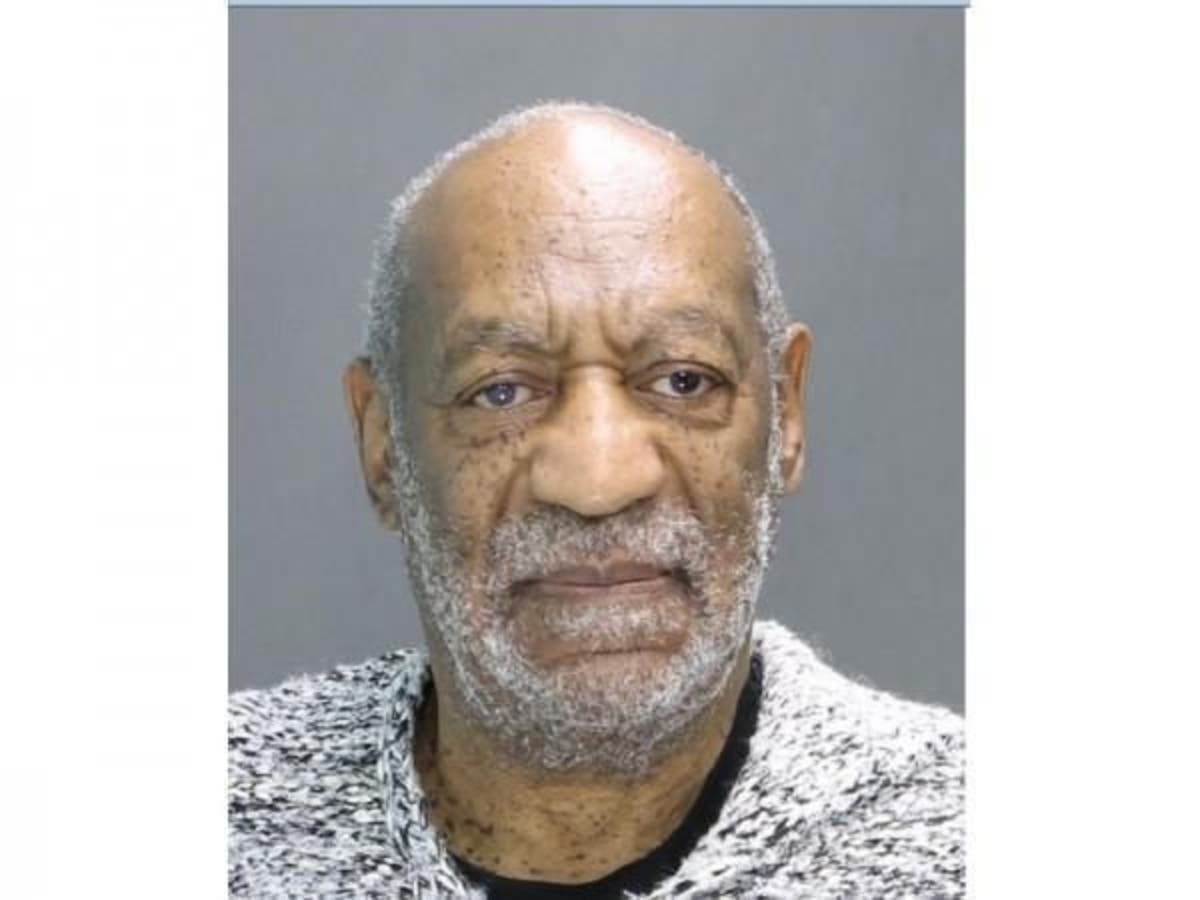
NORRISTOWN, PA — Week one of the Bill Cosby trial concludes on Friday, as the 79-year-old former comedian faces charges of felony indecent assault of a former Temple University employee. Here are five key takeaways from the past week to catch you up on the proceedings thus far:
The other victims
Despite more than 60 women accusing him, Bill Cosby has never gone to trial for criminal charges until now.
Find out what's happening in Norristownfor free with the latest updates from Patch.
In most of those cases, the statute of limitations has already run out. Once a certain period of time passes from an alleged crime, charges can no longer be pressed, and the suspect can no longer be prosecuted. Some of the allegations date back to the 1970s.
This is not so with Constand. The incidents in question occurred in 2004.
Find out what's happening in Norristownfor free with the latest updates from Patch.
The prosecution fought hard to have the testimony of 13 of those other accusers made admissible in this trial. Judge Steven O’Neill said no to all, except one: Kelly Johnson, who became their first witness when she was called to the stand on Monday. Johnson’s testimony has been made admissible under a rule of evidence called “prior bad acts,” according to Jill Stanley, an attorney and legal analyst.
“Ms. Johnson's testimony is critical to the prosecution's case,” Stanley said.
The case rests on Constand’s testimony
The defense has made it clear that they will do everything they can to undermine Constand’s testimony. Any hope they have of convincing the jury of Cosby’s innocence requires this, because Constand’s testimony is so damning.
When she took the stand this week, Constand stuck precisely to what she had already told police, as became public a year and a half ago. Moving forward, the defense will look for new ways to convince the jury she isn’t being truthful; or, in the very least, that she’s not accurately remembering a romantic liaison.
“It seems the defense would like the jury to believe that romance was in the air,” says Kristen Houser, a spokesperson for the National Sexual Violence Resource Center. Houser says that the defense is attempting to misconstrue Constand and Cosby’s interactions as romance, when they should be called “grooming,” a sexual assault term connoting a testing of boundaries.
“Perpetrators may judge how a person reacts to suggestive comments, unnecessary physical touch, or offers to spend time in private,” Houser added. “They are testing whether their actions will be actively or verbally discouraged or if they will be tolerated or ignored in the way that many women are socially conditioned to respond to unwanted advances that aren’t ‘overly intrusive.’ They are testing to see how far they can push boundaries and exploit trust.”
Timeline
In their cross-examination of Constand, the defense made one of their only dents in Constand’s statements when they asked her if there had been anything romantic going on between her and Cosby before the assaults occurred.
NBC News reports that Constand said no, and that the jury then read back her testimony from a civil trial against Cosby in 2009. In that testimony, Constand reportedly says that the night before the assault, she was at Cosby’s house, and he tried to touch her genitals.
Cosby’s 2005 testimony
Although Cosby will not be taking the stand during the trial, jurors had the chance to hear Cosby’s voice through his testimony from that same 2005 civil trial on Thursday, the Chicago Tribune reports. The defense had previously argued that the testimony should not be allowed, alleging that Cosby had reached an immunity deal with then-Montgomery County District Attorney, Bruce Castor.
The civil trial ended in Cosby paying an undisclosed amount of money as settlement to Constand. Cosby’s lawyers contended that the money, given to Constand in 2006, comprised a “deal” which prevented Constand from speaking about their relationship with authorities. Both Constand and her mother, Gianna, signed a non-disclosure agreement, Cosby’s lawyers alleged. The defense challenged the prosecution’s right to proceed with a criminal trial on this basis, and Judge O’Neil rejected their challenge.
The testimony is a confession, of sorts.
"I don't hear her say anything,” prosecutors read Cosby’s testimony aloud in court. “And I don't feel her say anything. And so I continue and I go into the area that is somewhere between permission and rejection."
The first attempt to prosecute
In 2005, when Constand’s allegations first became public, the investigation, headed by DA Castor, was cut short because he did not believe there was sufficient evidence to prosecute. The investigation, however, was still underway and very much alive when Castor decided to end it, according to a detective’s testimony this week, Time reports.
Cheltenham Police Department Sgt. Richard Schaffer reportedly said that they were following leads and were preparing their next steps when Castor cut the investigation off. Castor later said this was in part because Constand had waited a year to call police, and that evidence showed “both parties in a less than flattering light.”
The defense is hoping to use the fact that Castor did not press charges in 2005 in their favor; Schaeffer’s testimony reinforces for the jury that Cosby was still under suspicion.
Cosby’s legacy
Regardless of the outcome of the trial, the former comedian and once-beloved Philadelphia icon and grandfather-figure will never be seen the same again.
If convicted, Cosby faces up to ten years in prison.
Image via Montgomery County District Attorney's Office
Get more local news delivered straight to your inbox. Sign up for free Patch newsletters and alerts.