Neighbor News
Wildfire smoke from Canada may threaten more than lungs – it can put hearts at risks
The American Heart Association urges Pittsburghers to take precautions as smoke exposure may cause heart problems or worsen existing ones
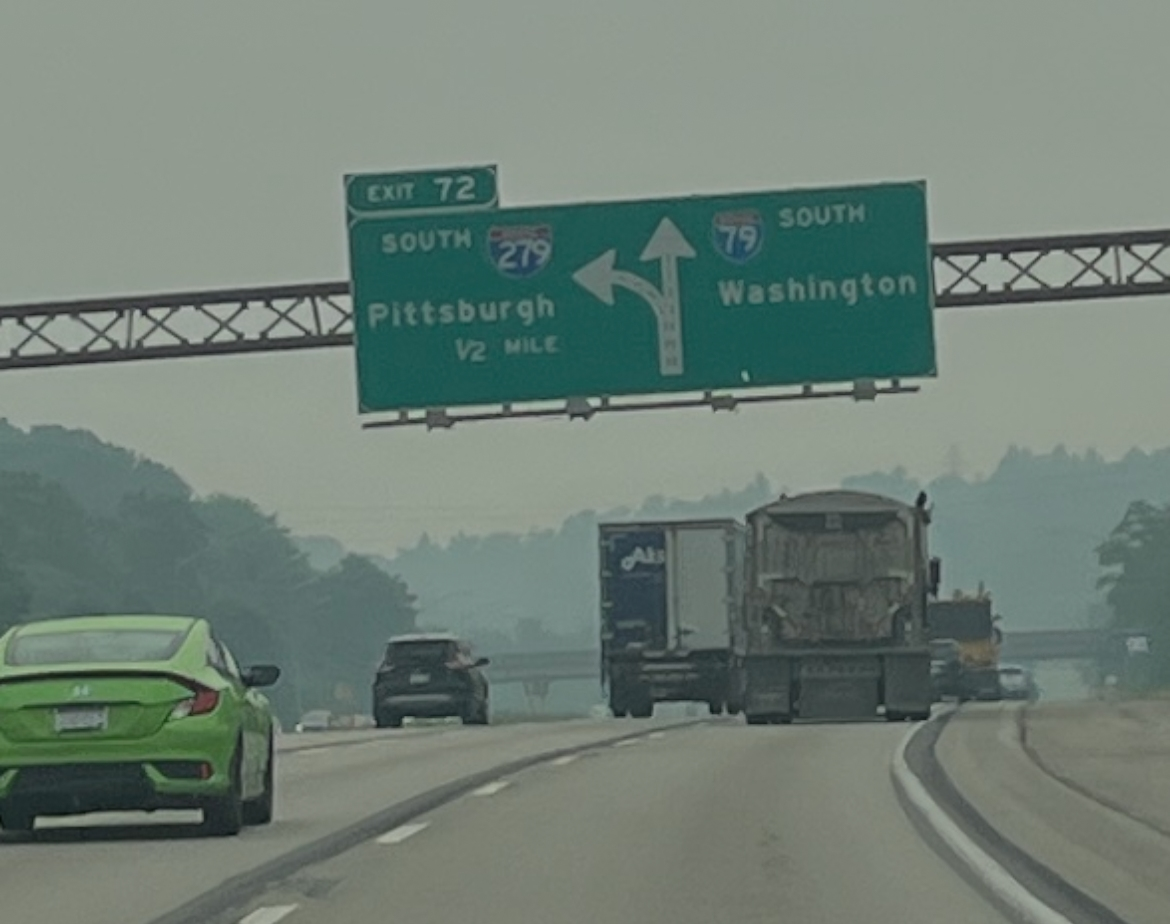
Smoke from Canada wildfires is rapidly drifting into the U.S. and reaching our region. The American Heart Association, a global force changing the future of health for all, warns that this wildfire smoke exposure may pose an increased risk for heart disease.
“As wildfire smoke has reached the Greater Pittsburgh region, it’s important for residents to understand that the health risks extend beyond breathing problems and other respiratory concerns,” said Indu Poornima, MD, volunteer regional board member of the American Heart Association, Professor of Medicine and Division Director of Clinical Cardiology & Imaging at the Cardiovascular Institute at Allegheny Health Network. “Wildfire smoke contains a number of pollutants, including fine, microscopic particles that have been linked to increased cardiovascular risk. While respiratory health impacts are often top of mind, these particles can also affect heart health.”
As wildfires continue to burn, contaminated smoke can travel hundreds or even thousands of miles, impacting communities far beyond the areas directly affected by the fires. “When smoke is combined with extreme hot weather, risk factors for heart attack and stroke, including high blood pressure, inflammation and clotting become activated, all of which can result in an acute cardiac event, Poornima said.”
Find out what's happening in Pittsburghfor free with the latest updates from Patch.
Several research studies have linked smoke exposure to an increased risk of sudden cardiac arrest and a higher volume of visits to local emergency rooms for other cardiovascular disease-related causes.
·A study published in the Journal of the American Heart Association found that exposure to heavy smoke during wildfires raised the risk of out-of-hospital cardiac arrests up to 70%. The risk was elevated among men and women, among adults 35-64 years old and in communities with lower socioeconomic status.
Find out what's happening in Pittsburghfor free with the latest updates from Patch.
·Previous findings from the same research group noted that wildfire smoke exposure was associated with increased rates of emergency room visits, not just for breathing trouble, but also ischemic heart disease, irregular heart rhythm, heart failure, pulmonary embolism and stroke. ER visits increased 42% for heart attacks and 22% for ischemic heart disease within a day of exposure to dense wildfire smoke. The increase was most notable for adults age 65 and older, according to the study published in the Journal of the American Heart Association.
People with underlying cardiovascular disease risk factors and the elderly may be at risk for an acute cardiovascular event when exposed to wildfire smoke.
According to the American Heart Association, recognizing the signs of a heart attack or stroke are important. Dr. Poornima urges everyone to pay attention to their body and call 911 if they have:
- Chest discomfort. Most people having a heart attack feel discomfort in the center of the chest. It can last more than a few minutes, or it may go away and then return. It can feel like uncomfortable pressure, squeezing, fullness or pain.
- Discomfort in other areas of the upper body. Symptoms can include pain or discomfort in the:
- Arms (one or both)
- Back
- Neck
- Jaw
- Stomach
- Shortness of breath. This can happen with or without chest discomfort.
- Other signs. Other possible signs include:
- Breaking out in a cold sweat
- Nausea
- Rapid or irregular heartbeat
- Feeling unusually tired
- Feeling lightheaded
Additionally, knowing and performing CPR can more than double the chance of survival in the event of a cardiac arrest.
Tips for reducing exposure to wildfire smoke:
·Stay indoors with doors and windows closed.
·Use high-efficiency air filters in air conditioning systems or portable air cleaners.
·Avoid exertion.
·Keep well hydrated.
·Consider seeking other shelter if your home does not have an air conditioner and it’s too warm to stay inside.
·Be mindful that your pets may also be affected by the smoke and bring them indoors, as well.
“While these types of wildfires and the extent of their smoke reach can’t always be predicted, protecting yourself and your family from poor air quality throughout the year is something to consider,” Poornima said. “In the American Heart Association’s 2020 scientific statement on air pollution exposure, we note that one of the most effective measures is the use of portable air cleaners, which have been shown to reduce indoor particulate matter by as much as 50-60%. Given their modest upfront cost ($50-200) and potential benefits in reducing cardiopulmonary outcomes, this measure has a high benefit for the cost.”
While most people in the U.S. are not directly impacted by the wildfires burning in Canada, Poornima adds, “Exposure to lingering wildfire smoke can be extremely harmful and should not be taken lightly. Protect yourself and stay alert.”
The American Heart Association has resources to help at www.heart.org.