Politics & Government
Feds Suing To Prevent Philly Safe Injection Site From Opening
"Allowing private citizens to break long-established federal drug laws passed by Congress is not an acceptable path forward."


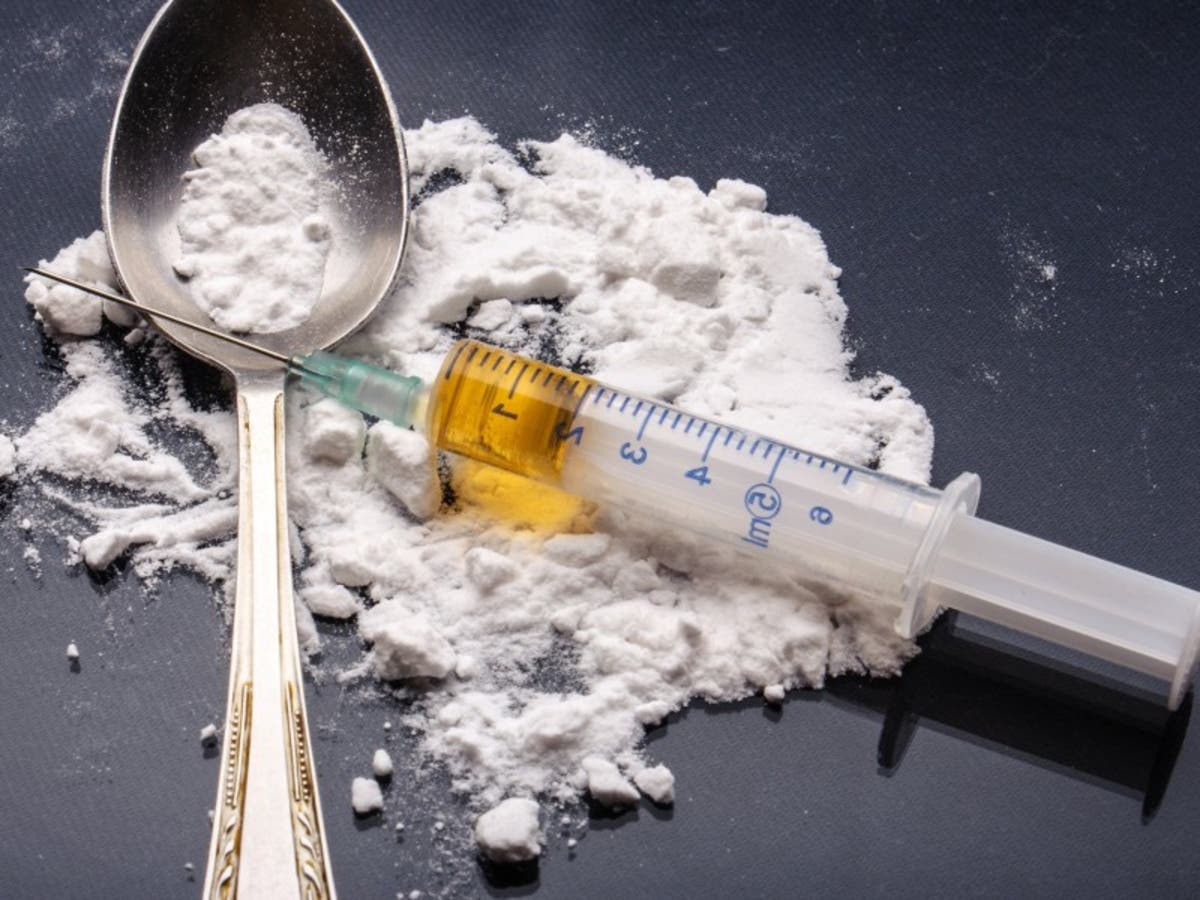
PHILADELPHIA — Federal authorities have filed a civil lawsuit that aims to prevent a non-profit corporation from opening a safe injection site for opioid users in Philadelphia, saying the site would violate federal drug laws.
United States Attorney William M. McSwain announced today that his office has filed a civil lawsuit to prevent the establishment of a facility in Philadelphia where drug users would go to inject themselves with illegal narcotics.
The suit, filed against the nonprofit corporation Safehouse and its Executive Director, Jeanette Bowles, seeks a judicial decree that Safehouse’s planned opening of one or more "consumption rooms" would violate federal law. This lawsuit is the first of its kind filed in the United States.
Find out what's happening in Roxborough-Manayunkfor free with the latest updates from Patch.
U.S. Deputy Attorney General Rod Rosenstein threatened legal action should the city move ahead with the safe injection sites back in August 2018.
In response to the city’s opioid crisis, Safehouse announced last fall its intention to open a location for drug users to inject street-purchased heroin and fentanyl under medical supervision of Safehouse employees.
Find out what's happening in Roxborough-Manayunkfor free with the latest updates from Patch.
Mayor Jim Kenney's Task Force to Combat the Opioid Epidemic provided a report with recommendations on the safe injections sites, called Comprehensive User Engagement Sites (CUES).
Philadelphia is one of a few cities in the nation to float the idea. Others are San Francisco, Seattle, Washington, and Ithaca, New York.
According to city officials, CUES are walk-in medical intervention centers where essential services – including referral to treatment centers, supervised drug use, and access to sterile injection equipment as well as naloxone – are provided to reduce substance use, the harms associated with substance use, and fatal overdoses.
Officials also released a scientific review of studies of supervised injection facilities, which showed that these facilities reduce deaths from drug overdose; prevent HIV, hepatitis C, and other infections; and help drug users get into treatment.
The report estimates that one site in Philadelphia could prevent up to 76 deaths from drug overdose each year.
The development by a private-sector entities of one or more CUES is a harm-reduction strategy, and taken together with multiple other strategies will move the city forward in addressing the opioid crisis by saving lives and reducing the public disorder caused by open air drug use, officials said.
McSwain emphasized that community organizations play an important role in combating the opioid epidemic but said any response must be legal.
“I recognize that we are all on the same side in this fight,” he said. “The proponents of the injection site share our goal of ending this terrible epidemic. We all want solutions that save lives, but allowing private citizens to break long-established federal drug laws passed by Congress is not an acceptable path forward.”
Safehouse’s proposed consumption room would violate the federal Controlled Substances Act, a comprehensive regulatory scheme enacted in 1970. The Act makes it a felony to maintain any place for the purpose of facilitating illicit drug use. According to the government, that is exactly what Safehouse plans to do.
“So-called ‘supervised injection sites’ would break the law, plain and simple,” said U.S. Attorney McSwain. “The law is clear – and it is my job to respect and enforce the rule of law. If Safehouse wants to operate an injection site, it should work through the democratic process to try to change the law. But normalizing the use of deadly drugs like heroin and fentanyl and ignoring the law is not the answer to solving the opioid epidemic.”
“The Department of Justice’s Civil Division is committed to using every tool at its disposal to combat the opioid crisis, and that includes stopping the establishment of centers where individuals can go to illegally use and abuse dangerous drugs,” said Assistant Attorney General Jody Hunt for the Department of Justice’s Civil Division. “Operating spaces for the purpose of allowing the use of illegal drugs like heroin and fentanyl violates federal law and creates serious public safety risks. The Civil Division will not hesitate to bring actions like this against any state, city, municipality, or private entity that attempts to open a so-called ‘safe-injection site.’”
In partnership with federal, state, and local law enforcement, the United States Attorney’s Office prioritizes cutting off the supply of illegal opioids, prosecuting drug dealers and traffickers, and enforcing civil rights laws to ensure that people suffering from addiction have access to treatment. Local government and community organizations play a critical role in providing effective treatment options, making overdose prevention medication more readily available, and leading prevention efforts.
According to U.S. Attorney McSwain, a partnership between federal, state, and local government, along with community leaders, is needed to implement a coordinated and effective response to the opioid crisis.
“I invite a dialogue with our community partners, including Safehouse, to discuss ways we can work together within the law to bring an end to this epidemic,” he said.
Image via Shutterstock
Get more local news delivered straight to your inbox. Sign up for free Patch newsletters and alerts.