Community Corner
Educating Patients to Take Medications Properly
Patients should be aware of the basics of taking their meds.
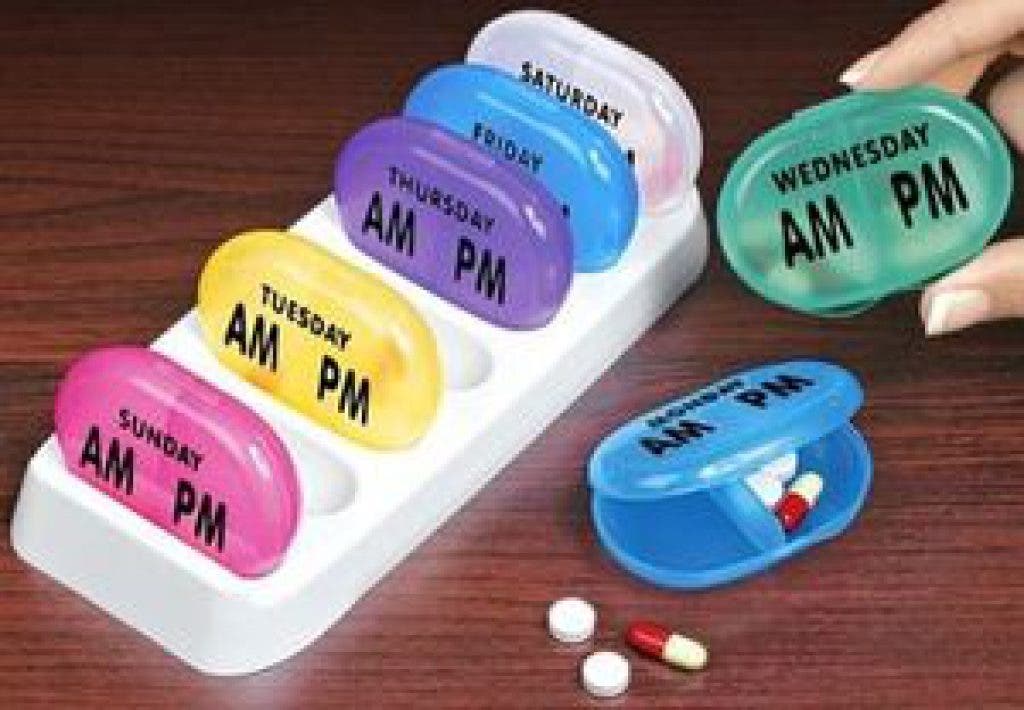

Although I am a nurse in an outpatient setting, it still surprises me that people don't know the basics about taking their medications properly.
Here are a few tips to help:
-
Know the names and dosage of your medication. It helps to write the names down on paper and carry the list to each doctor you see, even the dentist. Every doctor involved with your care should know what you are taking, including vitamins or herbal supplements. Providing this information can help to avoid drug interactions.
Find out what's happening in Sewickleyfor free with the latest updates from Patch.
-
Besides knowing the name of your medications, you should know why you are taking it. Be aware of any side effects and how to take the medicine. Some medications are best absorbed on an empty stomach, while others are best taken with a meal. If you are not sure, check with your doctor or pharmacist. Pharmacists can often spend more time with you teaching about medications than your doctor can.
-
Do not stop taking your medication unless your doctor instructs you to do so. Many people stop taking their medication when they feel better, thinking they don't need it anymore. This especially happens when people are taking antibiotics because they start to feel better after a few days. It is important to take the full course of antibiotics to eliminate the illness-causing bacteria. Side effects often cause some to stop taking their medications. If your prescription is making you feel worse, talk to your doctor first. Once your body becomes adjusted, the side effects that occur when you begin a new medicine should subside. Be sure to let your doctor guide you through this process.
Find out what's happening in Sewickleyfor free with the latest updates from Patch.
-
Store your medications in a cool, dry place away from direct sunlight. The worst place to store medication is in the bathroom medicine cabinet. Heat and humidity in the bathroom can make medications less potent and not as effective. Store your medicine in a bedroom closet or kitchen cabinet away from the heat of the stove.
-
Do not wait until the last minute to get your medication refilled. This is a big pet peeve of mine. You wouldn't believe the number of phone calls I receive stating, "I'm down to one last pill. Can the doctor call in more for me?" First of all it's the nurse who will have to track down the doctor to authorize more refills, and if the doctor is at the hospital performing a surgery that day or happens to be on vacation that week, it might not be so easy to get in touch with the physician. Allow at least three to four days before you run out of medicine, and if you have refills, don't wait until the last minute to call the pharmacy.
I admit, I'm guilty of violating the refill rule. One day I ran out of my medicine on a Friday and called in for a refill. To my surprise, the pharmacy was out of stock, and I was told they would not have the medicine until Monday. The pharmacist went through the hassle of calling neighboring drug stores for me to see if they had it in stock. Lesson learned? Don't wait until the last minute.
If you have trouble remembering when to take your medications, many local drug stores carry pill organizers. Many pharmacies offer prescription reminders when it's time for a refill. For even more convenience, you can choose to receive reminders via phone, email or text.