Community Corner
Crozer-Keystone Works to Raise Awareness of Advance Directives on National Health Care Decisions Day, April 16

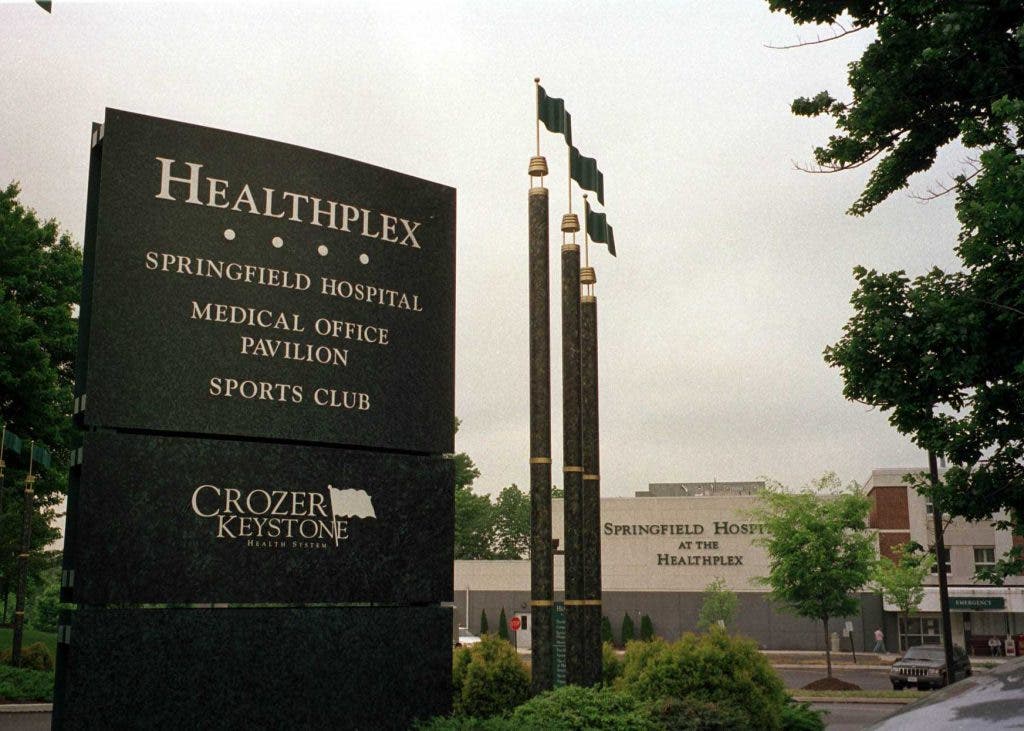
Crozer-Keystone Health System celebrates National Health Care Decisions Day on Monday, April 16. National Health Care Decisions Day is an initiative to encourage patients to express their wishes regarding health care and for providers and facilities to respect those wishes, whatever they may be.
In recognition of National Health Care Decisions Day, Crozer-Keystone representatives will provide valuable information about advance directives and making health care decisions to members of the community in CKHS hospitals. In addition, Crozer-Keystone Health Network physicians will distribute literature and discuss these topics with their patients throughout the week.
Advance directives are documents that state your choices about medical treatment or name someone to make these decisions on your behalf if you are unable to make these decisions yourself. Crozer-Keystone aims to provide patients, visitors and employees with information about advance directives so that they can make informed decisions before this situation can occur. Anyone may lose the ability to make health care decisions due to illness or an accident, and end-of-life health care decisions may come up at any time.
Find out what's happening in Springfieldfor free with the latest updates from Patch.
Pennsylvania recognizes three types of advance directives:
- Living Will: A written document that describes your wishes about life support and other medical treatments that you want or do not want to receive if you are unable to understand, make or communicate your treatment choices and have an end-stage medical condition or are permanently unconscious.
- Health Care Power of Attorney: A written document in which you name a person you trust as your agent to make health care decisions for you.
- Combination Document: A written document that combines both the living will and health care power of attorney.
Pennsylvania law does not require that you use a specific form when you make an advance directive. You should talk to your doctor to help you to understand your medical conditions and the treatment choices you may have before making your advance directive.
Find out what's happening in Springfieldfor free with the latest updates from Patch.
Once you make an advance directive, you should discuss it with your family and any agent you name. You should also give a copy of your advance directive to your family, doctor, lawyer and anyone that you name as your health care agent.
For more information about advance directives, visit http://advancedirectives.crozerkeystone.org or call Crozer-Keystone’s Senior Support Line at 1-800-CKHS-KEY (1-800-254-7539).
Get more local news delivered straight to your inbox. Sign up for free Patch newsletters and alerts.