Health & Fitness
Springfield Getting Anti-Mosquito Spraying Thursday
After two samples were found on July 13 and July 11, Springfield will be sprayed with anti-mosquito treatment Thursday evening.


SPRINGFIELD, PA – Recently, two mosquito samples collected in Springfield Township tested positive for West Nile Virus and on Thursday officials will spray the area with anti-mosquito treatment to prevent the spread of the virus.
Officials with the Delaware County Mosquito-Borne Disease Control Program will apply an Ultra-Low Volume (ULV) mosquito treatment in Springfield between 8 p.m. and 11 p.m. on Thursday.
In the event of inclement weather, the spraying will be done on Monday, July 23.
Find out what's happening in Springfieldfor free with the latest updates from Patch.
Ten areas in Delaware County were found to have positive West Nile Virus samples Monday and Tuesday.
The purpose of the sprayings is to control the population of adult mosquitoes and reduce the risk of spreading Mosquito-Borne Viruses throughout the area.
Find out what's happening in Springfieldfor free with the latest updates from Patch.
Locations are identified as a result of high trap counts and the identification of positive mosquito pools in the area.
Residential and recreational areas within the treatment areas will be sprayed to control adult mosquitoes.
Staff from the Delaware County Mosquito-Borne Disease Control Program will perform the work using truck mounted spraying equipment with the business license BU10544 visible on the equipment.
The product used will be Deltagard applied at a rate of 0.66 ounces per acre. This product is designed to provide effective control of adult mosquitoes.
The application material has a very low toxicity profile to mammals and is safe for the environment.
Certain mosquito species carry the West Nile Virus, which can cause humans to contract West Nile encephalitis, an infection that can result in an inflammation of the brain.
According to the Centers for Disease Control and Prevention, residents in areas where virus activity has been identified can be at risk of contracting West Nile encephalitis.
Individuals can take measures to help eliminate mosquito-breeding areas, including:
- Dispose of cans, buckets, plastic containers, ceramic pots or similar containers that hold water on your property.
- Properly dispose of discarded tires that can collect water. Stagnant water is where most mosquitoes breed.
- Drill holes in the bottom of outdoor recycling containers.
- Clean clogged roof gutters every year, particularly if the leaves from surrounding trees tend to plug drains.
- Turn over plastic wading pools when not in use.
- Turn over wheelbarrows and don't let water stagnate in birdbaths.
- Aerate ornamental pools or stock them with fish.
- Clean and chlorinate swimming pools not in use and remove any water that may collect on pool covers.
- For stagnant pools of water, homeowners can purchase Bti (Bacillus thuringienses israelensis) known as "mosquito dunks" at home improvement and other stores. Bti is a naturally-occurring soil bacterium that biodegrades quickly and kills mosquito and blackfly larvae, but is safe for people, pets, aquatic life and plants.
Additionally, these precautions can prevent mosquito bites, particularly for those most at risk:
- Make sure screens fit tightly over doors and windows to keep mosquitoes out of homes.
- Consider wearing long-sleeved shirts, long pants and socks when outdoors, particularly when mosquitoes are most active at dawn and dusk, or in areas known for having large numbers of mosquitoes.
- When possible, reduce outdoor exposure at dawn and dusk during peak mosquito periods, usually April through October.
- Use insect repellants according to the manufacturer's instructions. An effective repellant will contain DEET, picaridin or lemon eucalyptus oil. Consult with a pediatrician or family physician for questions about the use of repellant on children, as repellant is not recommended for children under the age of two months.
- For more information about West Nile Virus and the state's surveillance and control program, visit the state's website here.
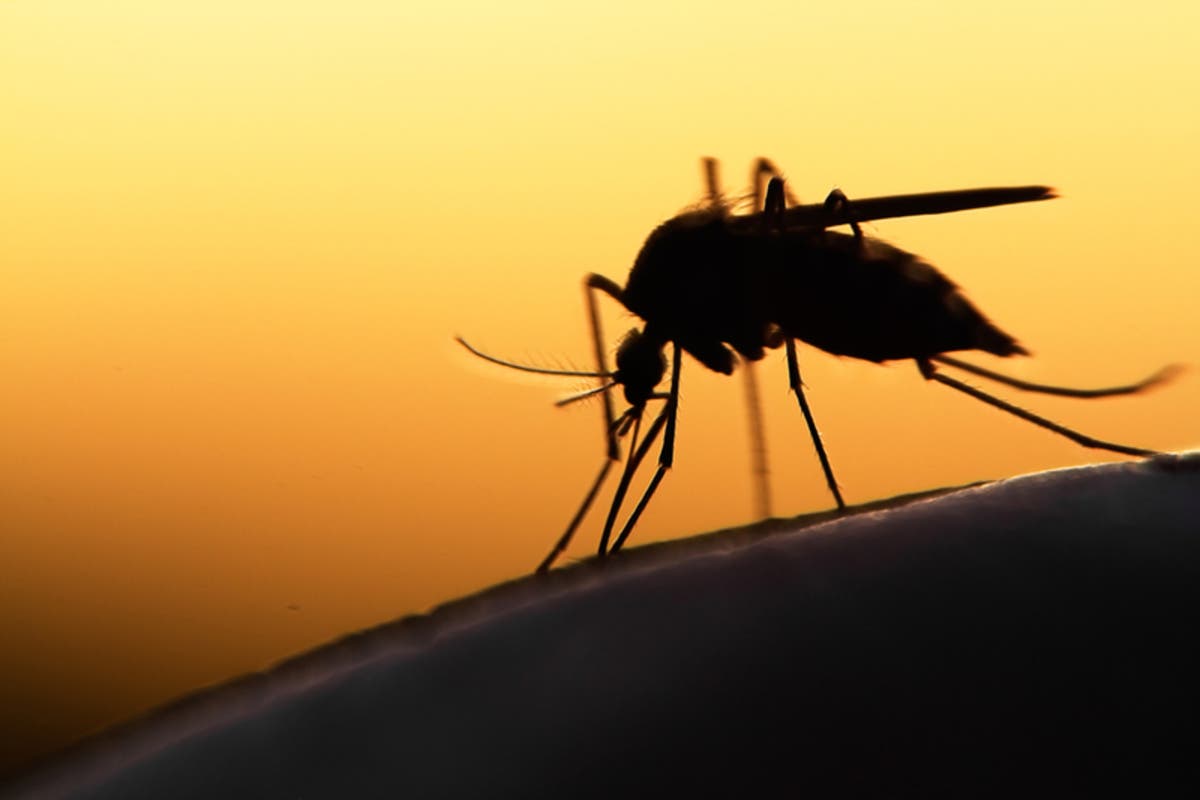
Image via Shutterstock
Get more local news delivered straight to your inbox. Sign up for free Patch newsletters and alerts.