Community Corner
Working Outside In Hot Montgomery County Weather: Who's At Risk?
Know someone who works outdoors? Share this article.


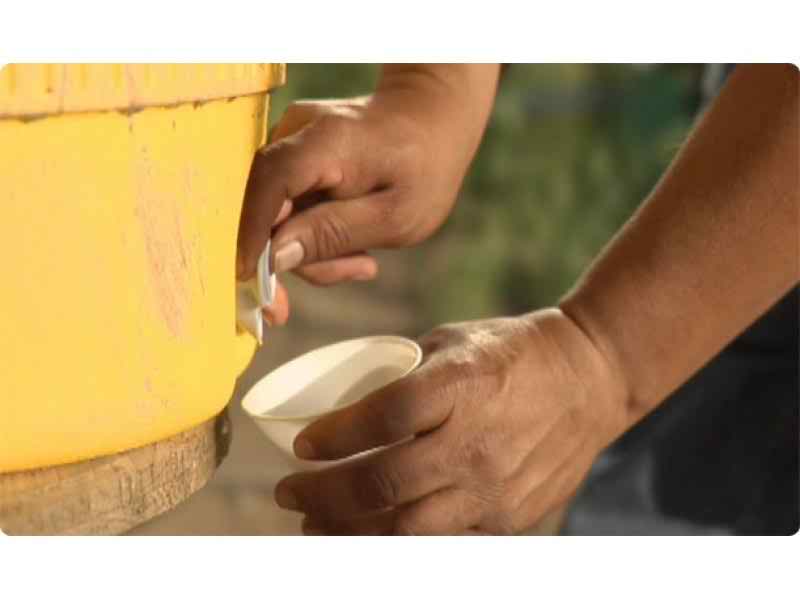
According to the U.S. Bureau of Labor Statistics, 34 workers across the nation died from “exposure to environmental heat” in 2013.
Are you at risk of becoming one of this year’s fatalities?
The Centers for Disease Control and Prevention states that some of the most at-risk jobs for heat-related injuries include firefighters, bakery workers, farmers, construction workers, miners, boiler room workers and factory workers.
Find out what's happening in Upper Moreland-Willow Grovefor free with the latest updates from Patch.
According to the Occupational Safety and Health Administration (OSHA), agricultural workers, baggage handlers, electrical power transmission and control workers and landscaping/yard maintenance workers are also highly susceptible to heat injuries.
Is your job missing from the above lists? OSHA states that you may still be at-risk if it involves:
Find out what's happening in Upper Moreland-Willow Grovefor free with the latest updates from Patch.
- Working in direct sunlight
- Performing prolonged or strenuous work
- Wearing heavy protective clothing or impermeable suits
RECOGNIZING HEAT STROKE/EXHAUSTION
The National Weather Service explains how the hot weather can affect a worker in this video.
“It’s important to know the signs of heat-related illness… acting quickly can prevent more serious medical conditions and may even save lives,” OSHA states on its website.
- Heat stroke is the most serious heat-related illness and requires immediate medical attention. Symptoms include: confusion, fainting, seizures, very high body temperature and hot, dry skin or profuse sweating. Call 911 if a coworker shows signs of heat stroke.
- Heat exhaustion is also a serious illness. Symptoms include: headache, nausea, dizziness, weakness, thirst and heavy sweating. Heat fatigue, and heat rash are less serious, but they are still signs of too much heat exposure.
“If you or a coworker has symptoms of heat-related illness, tell your supervisor right away,” OSHA recommends. “If you can, move the person to a shaded area loosen their clothing, give them water (a little at a time), and cool them down with ice packs or cool water.”
HOT WEATHER SAFETY TIPS
OSHA recommends a three-point safety system when working in the heat: Water, Rest, Shade.
- Drink water every 15 minutes, even if you are not thirsty.
- Rest in the shade to cool down.
- Wear a hat and light-colored clothing.
- Learn the signs of heat illness and what to do in an emergency.
- Keep an eye on fellow workers.
- Acclimate – “easy does it” on your first days of work; be sure to get used to the heat and allow yourself to build up a tolerance.
“Not being used to the heat is a big problem,” OSHA states, emphasizing the importance of acclimation. “Many of the people who died from heat stress were new to working in the heat or returning from a break. If a worker has not worked in hot weather for a week or more, their body needs time to adjust.”
OSHA offers a free “Heat Safety Tool” app for smart phones, which calculates a site’s heat index and proportional risk levels.
FATAL HEAT INJURIES
In 2011, the U.S. Department of Labor stated that two of every 1,000 workers are at risk for heat stress.
OSHA offers some recent tragic examples of why outdoor work in the heat can be dangerous:
- 2014 – Detroit, MI: “Possible heat fatality investigation. Worker was operating a weed whipper on his first day on the job.”
- 2013 – Brooklyn, NY: “An employee who had been working for several hours on a conveyor line suffered heat illness and died. There was a week-long heat advisory issued by the National Weather Service.”
- 2013 – Medford, MA: “A USPS letter carrier collapsed after walking his route for approximately 5 hours with a mail bag weighing up to 35 pounds. He died of heat stroke. The area was under a heat advisory from the National Weather Service.”
- 2012- Hopewell, NJ: “An employee collecting garbage on an outdoor route during an excessive heat advisory issued by the National Weather Service suffered a heat stroke and died.”
- 2012 - Miamisburg, OH: “A temporary employee was working on the roof on his first day on the job. He was throwing roofing material off the roof into a dump truck. He developed heat stroke and later died.”
WORKERS HAVE RIGHTS WHEN IT’S HOT
OSHA doesn’t have a specific standard that covers working in hot environments. However, employers have a duty to protect workers from recognized serious hazards in the workplace, including heat-related hazards.
According to OSHA:
“If you think your job is unsafe or you have questions, contact OSHA at 1-800-321-6742. It’s confidential. We can help. If you have been punished or discriminated against for using your rights, such as raising health and safety concerns or filing a complaint, you must file a complaint with OSHA within 30 days. No form is required, but you must call or send a letter to OSHA within 30 days of the alleged discrimination.”
For more worker protection information visit OSHA’s Workers’ page.
Photo and video courtesy of OSHA.
Get more local news delivered straight to your inbox. Sign up for free Patch newsletters and alerts.