Au Pairs provide safe and affordable childcare to hundreds of American families each year. I would like to educate you about the Au Pair Program and the benefits it can bring RI families! Right now, RI families may be eligible for up to 15% savings when you host an au pair to meet your childcare needs. We have full and part time options available, as well as varied placement lengths.
I want our to have a safe and rewarding experience. In addition to the prevention advice I already gave you, I'd like to go a little further into a few topics, such as concussion, poisoning, head lice, tick bites food allergies, fever and asthma. Share this information with your au pair and anyone else who helps care for your children!
Concussions can be difficult to completely prevent, but if you and your au pair are aware of some symptoms, you can help your child sooner. Symptoms may impact a person in four ways. They are:
physical (headache, nausea, vomiting, balance or visual problems, sensitivity to light or noise),
cognitive (feeling foggy, slow or confused, answering or repeating questions slowly, difficulty concentrating or remembering),
emotional (irritable, sad, nervous or just more emotional), or
sleep (drowsiness, sleeping more or less or trouble falling asleep).
If you suspect your child may have suffered a concussion, seek medical assistance as soon as possible.
Most poisonings can be prevented by careful use and storage of dangerous chemicals, but if a poisoning is suspected, call the nationwide poison control center at 800-222-1222. Be sure your family members and your au pair have this number in their cell phones and have it posted by your land line, if you have one. Another way to avoid poisonings is to read labels before using any product. This may be an especially important rule for au pairs, since nearly all American packaged products, including cleaners and medications, will be new to them. Finally, if you don't need it, throw it away. Be sure to discard of old containers or outdated prescriptions. For children's medications, keep a written note, maybe taped to the inside of the medicine cabinet, of dosages allowed for each child, and what medications are not for children at all. Be sure to update this as the children grow or if prescribed any medications.
Head lice are tiny bugs that children, or adults, may sometimes bring home from school, camp, or any other place where their heads may have been in contact with anyone with lice. The lice bugs are very hard to see, but you may see tiny clear or white eggs attached to the base or root of each hair, especially at the back of the head and behind the ears. The scalp may feel itchy or sore and there may be evidence of red bits near the neck and hair line. Do not share combs, hair ties, hats or towels with anyone! Wash all bedding and clothes in hot water, and get a shampoo or treatment at the pharmacy to kill the lice and their eggs, which often comes with a special comb to help remove the eggs. Have someone help you look for lice if you suspect you or your host children have lice. They are not a sign of being dirty at all, so getting help to get rid of them is more important than being embarrassed about how you caught them!
Tick bites are very common this time of year, and until the fall for that matter, especially here in New England. While most tick bites are harmless, deer ticks and wood ticks can carry disease. I have had Lyme Disease, and it is no fun! The deer tick is common in these parts, and it no larger than a pencil point. If bitten, remove tick straight out, using a pair of pointy tweezers. If the tick has been on you for more than a day or any part of the tick remains in the skin, a rash of any kind develops, or you have symptoms such as fever, headache, fatigue, stiff muscles or joints, seek medical attention. Antibiotics can be used, but prevention is the best medicine! Always check kids, and yourself, after outdoor activities. Look in the scalp, behind the ears, neck, under arms, behind knees, and even the groin area. Wear long sleeves and pants when playing in woods or tall grass. Use insect repellant with 10-30% DEET for individuals over age 2, and avoid areas you know to be tick infested.
See my next post for continued advice on food allergies, fever and asthma!
Contact me, Joan Lowell, your LAR (Local Area Representative) for Go Au Pair in the Providence area, at 401.309.1925 or jlowell@goaupair.com.
This post was contributed by a community member. The views expressed here are the author's own.
The views expressed in this post are the author's own. Want to post on Patch?
More from Barrington

Health & Fitness|
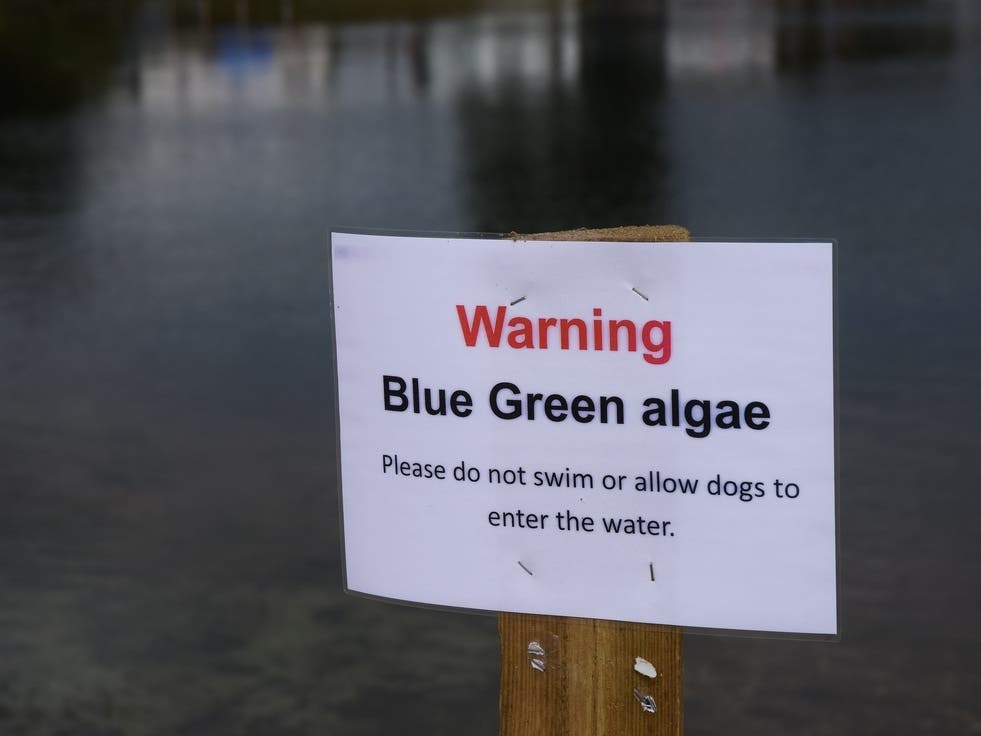
Stay Out Of Brickyard Pond in Barrington, State Agencies Caution