Local Voices
The Fascinating History of Fort Ninigret, Part 1: Do We Know Who Built It?
What do we actually know about one of Charlestown's oldest and most debated historic sites?


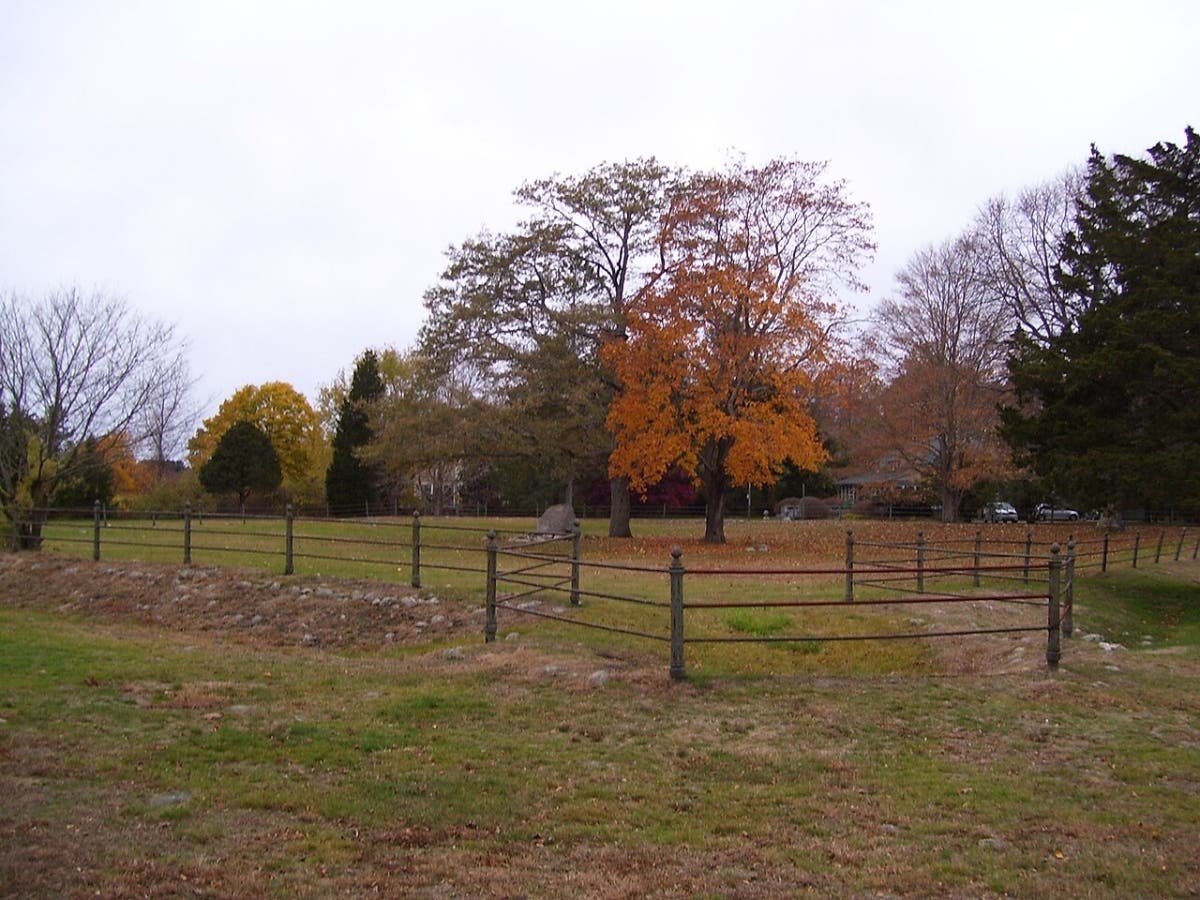
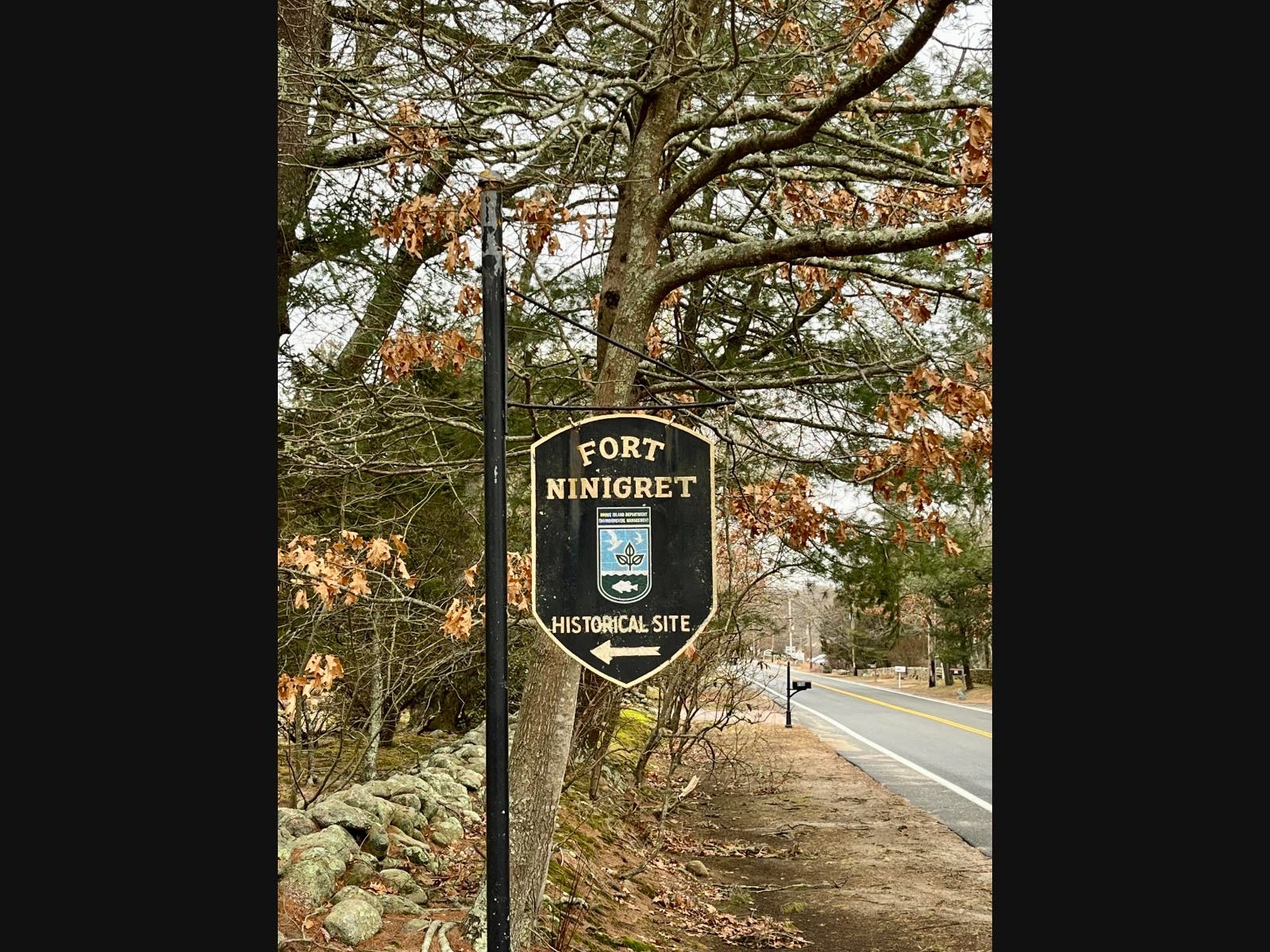
It is easy to drive through Charlestown without giving Fort Ninigret much thought.
The site has been part of Charlestown's landscape for centuries. But despite its name, visitors will not find a traditional fort with stone walls or a restored structure.
What remains is an archaeological site, and the story behind it is more complicated than you might expect.
Find out what's happening in Charlestownfor free with the latest updates from Patch.
Fort Ninigret, also known as the Niantic Fort, was added to the National Register of Historic Places in 1970. The site is associated with the Niantic people and with a period when Indigenous communities and European traders were increasingly interacting along the Rhode Island coast.
Archaeological research has uncovered evidence of Indigenous occupation along with European trade goods, including materials such as metal and glass. Some researchers have described the site as a fortified center connected to regional trade and possibly wampum production.
Find out what's happening in Charlestownfor free with the latest updates from Patch.
The name itself is tied to Ninigret, a prominent Niantic sachem whose name remains everywhere in Charlestown, from Ninigret Pond and Ninigret Park to the historic site itself.
But that is where the story gets interesting.
For more than a century, historians and researchers have debated who actually built Fort Ninigret.
Some early theories argued that the site was built by Dutch traders. Others strongly disputed that idea and connected the fort to the Niantic people.
The debate has been part of the historical record for generations, including publications specifically written to challenge the Dutch theory.
More recent archaeological interpretations have placed greater emphasis on the evidence of Indigenous occupation and the site's role as a place of trade and interaction during the early contact period.
So, do we know for certain who built Fort Ninigret?
The honest answer is that the story is still more complicated than a simple yes or no.
What is clear is that Fort Ninigret was an important place during a period of major change in the region. The remaining archaeological evidence offers a glimpse into the Niantic people, early European contact and the trade networks that helped shape the history of southern Rhode Island.
And the question of who built the fort remains one of Charlestown's most interesting historical mysteries.
Coming Next: Part 2
In the next installment, I'll take a closer look at the competing theories surrounding the site's origins and the evidence behind them.