Politics & Government
Ten Years Later: Emergency Management Thrives With Better Communication
Emergency situations are responded to with more organization between agencies.


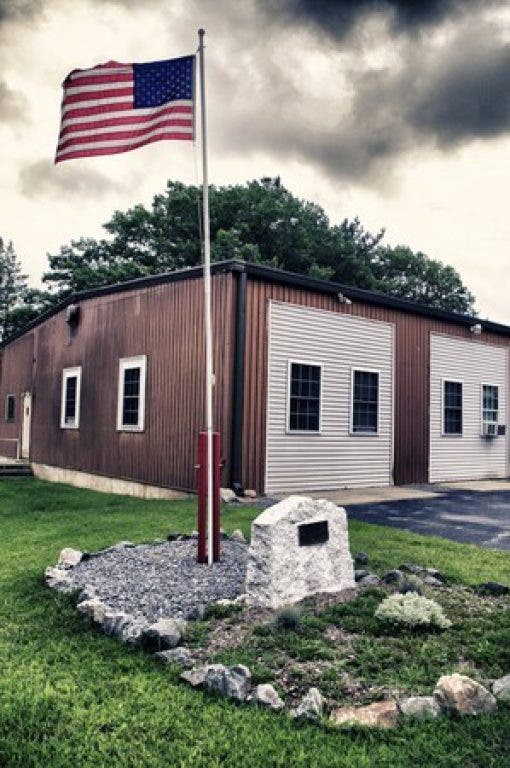
Only two days before the tenth anniversary of September 11, 2001, Central Coventry Fire Captain Bill Hall sat down with Patch to explain how emergency training and communication has changed for the better since 9/11.
"After September 11, Homeland Security went from being a noun to a proper noun," said Hall. "It took on a whole new meaning."
He explained that the biggest change that has happened since the terrorist attacks is the country's National Incident Management System (NIMS). During and after the terrorist attacks occured at Ground Zero in New York, hundreds of NYPD officers, firefighters, Port Authority workers and others responded to help in any way possible. Because of the sheer number of emergency responders on the scene at one time, there was a communication breakdown within command structures and radio frequencies.
Find out what's happening in Coventryfor free with the latest updates from Patch.
"There were so many agencies trying to accomplish the same task and work on the same page that communication was interrupted," said Hall.
Learning from this event, NIMS has evolved into a "one size fits all" system that all agencies can follow in a unified manner.
Find out what's happening in Coventryfor free with the latest updates from Patch.
"It works the same way as our local EOC (Emergency Operations Center)," explained Hall. "There are directors, planning teams, logistics and long-term positions like finances."
Not only has the world of emergency management changed on a national level, but on local levels as well. Police and fire training has evolved to include hazardous materials and weapons of mass destruction.
"9/11 made emergency workers look at things differently," Hall went on to say. "Before we would focus on tanker trucks and trains as possible threats and now we consider something like an abandoned backpack and the effects that could come from that."
Despite the positive changes and steps that have been made to protect the country from future threats, the events of that day serve as a constant reminder that national security is an ever-changing operation.
As September 11, 2011 drew closer, Americans everywhere began reflecting on where they where when they heard about the attacks and how their lives changed. Emergency workers are no exception.
"Some firefighters do everything they can to remember what happened that day, some try not to spend a lot of time thinking about it and some were extrememly affected by it," said Hall.
"As much as we concentrate on the lives lost, 9/11 is also considered to be one of the greatest rescue missions ever," he said optimistically. "Each tower held as many as 25,000 people. 3,000 souls is a tragic loss of life, but 47,000 people walked away that day."
Hall wrapped up his thoughts with one last sentiment that embodied the idea that the job of a firefighter or any other emergency worker is never finished.
"Regardless of how many people we save, losing one life is unacceptable to a firefighter. That is why we have to keep making the system better."
Get more local news delivered straight to your inbox. Sign up for free Patch newsletters and alerts.