Business & Tech
Fisherman Install Cameras to Monitor Catch: Video
Three vessels from Point Judith are now equipped with digital cameras, rather than human observers, to document discards of cod & haddock.


NARRAGANSETT, RI — Discards are fish thrown back in the water because they're too small, hard to sell or a species commercial fishermen are not allowed to take. Many of these fish are already dead or injured by the time they go back in the water, and they count when the government sets caps on the number of fish that may be harvested. According to the National Oceanic and Atmospheric Administration, the number of fish caught and brought to market is relatively easy to track, but the number of discards is only an estimate. If the estimate's too high, then the government may close those fisheries too soon.
Captain Christopher Brown, president of both the Rhode Island Commercial Fishermen’s Association and the Seafood Harvesters of America, says the fishermen have been losing out due to government estimates. Brown and other fishermen maintain the fish stocks are recovering, while the science is lagging behind. With Nature Conservancy's help, some 14 groundfish (cod, flounder and haddock) vessels from Rhode Island, Maine and Massachusetts are now equipped with cameras to monitor discards of groundfish electronically.
Find out what's happening in Narragansett-South Kingstownfor free with the latest updates from Patch.
The electronic monitoring project's goal is to use video technology to collect accurate and timely information about fish discarded at sea, at an affordable price, the Nature Conservancy said. Friday morning, U.S. Sen. Sheldon Whitehouse and fishermen met at Galilee to discuss the issues.
“The fishing industry is an important part of Rhode Island’s economy, and we need to do everything we can to help our fishermen thrive,” Whitehouse said. “This program puts modern technology to use to help ensure Rhode Island is home to productive, sustainable fisheries for years to come.”
Find out what's happening in Narragansett-South Kingstownfor free with the latest updates from Patch.
“There are a lot of reasons to go with EM,” Brown said. "We have wasted so much opportunity, waiting for the science to catch up to the recovery of fish stocks. Real time data can narrow that gap. EM technology can also reduce costs and potentially increase flexibility in how we fish in New England.”
Electronic monitoring systems use up to four cameras to view all the fishing activity on deck, with some cameras focused on specific areas where fish can be identified and measured before being discarded. After the trip, third-party reviewers watch the video, measure and identify discarded fish, and send a report used for science and management to federal regulators. The Nature Conservancy is collaborating with fishermen here in New England, and across the globe, to advance electronic technologies like this which improve the information required to manage sustainable fisheries.
The costs for at-sea monitoring have shifted recently from the government to New England’s groundfish fleet. Participating EM fishermen recognize that good fisheries science and management require good information about catch, and are looking to this technology to help make it less costly.
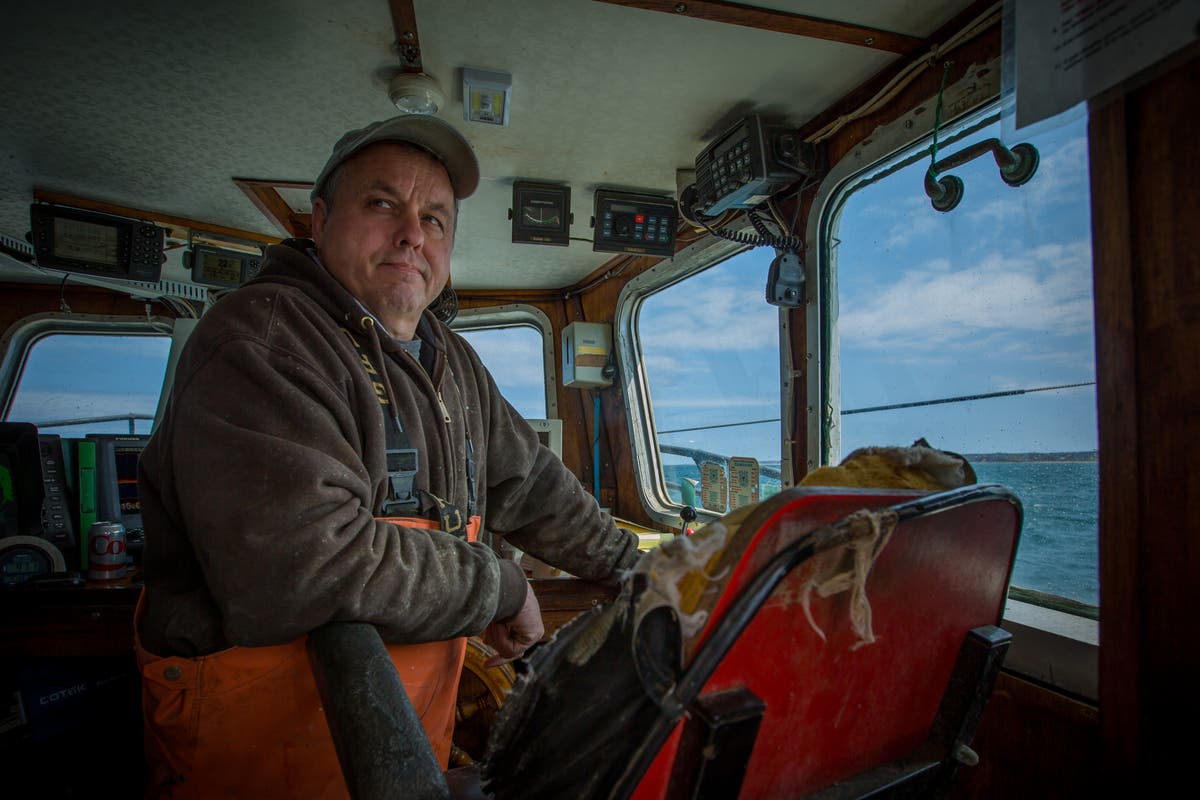
Courtesy Photo Caption: Captain Christopher Brown in the wheelhouse of the F/V Proud Mary based in Pt. Judith, RI. Photo ©Ayla Fox for The Nature Conservancy
Get more local news delivered straight to your inbox. Sign up for free Patch newsletters and alerts.