Crime & Safety
Matunuck Bones Probably Came from Family Cemetery Plot, Says State Archaeologist
The time frame probably rules out the bootlegger, and the state health department says the bones have not yet been identified.


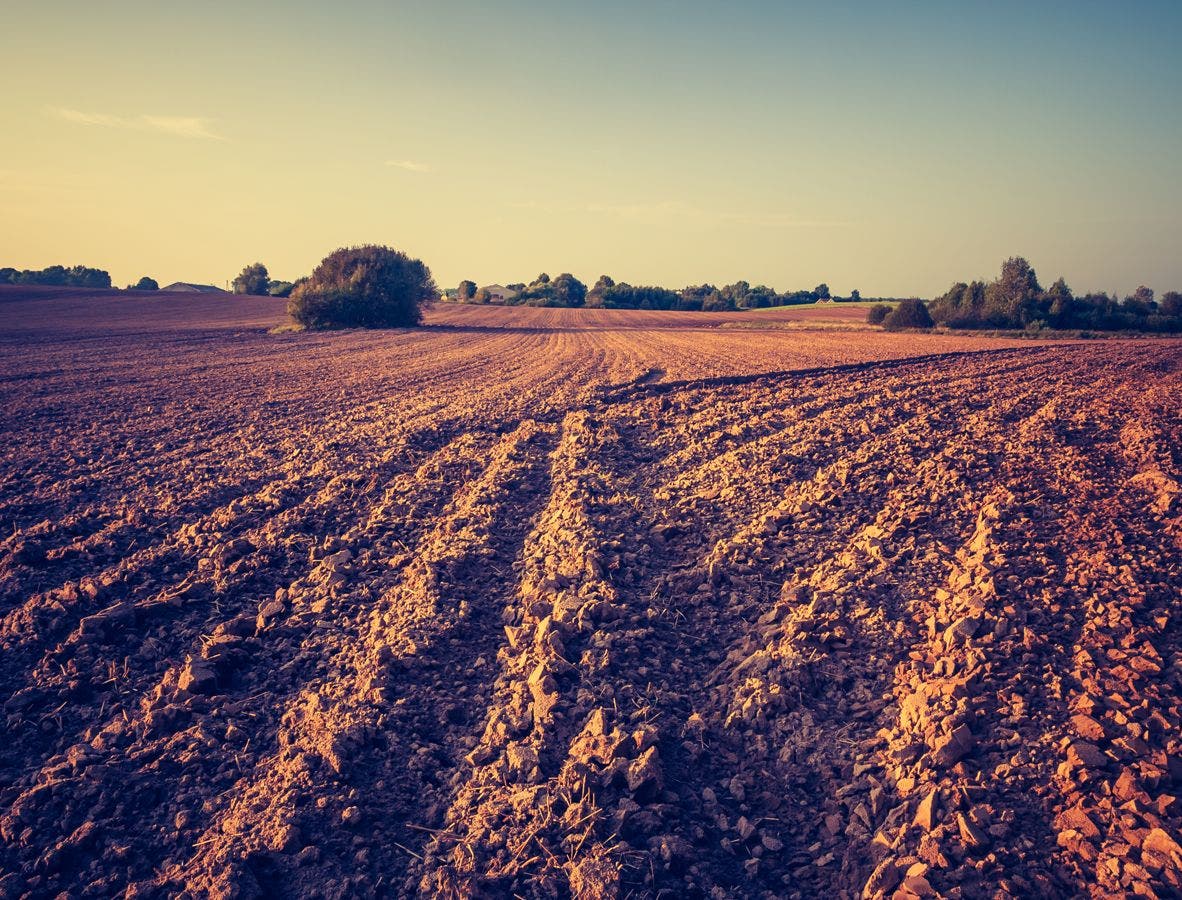
SOUTH KINGSTOWN, RI — It's still a good story, says Timothy Ives, principal archaeologist with the state Historical Preservation and Heritage Commission, as archaeologists work to identify the bones unearthed at a Matunuck construction site.
But the bones are probably not Daniel Walsh, the Prohibition bootlegger who mysteriously disappeared 84 years ago. He had once owned the property, which was a horse farm. But he disappeared in 1933. These bones are older.
The working theory is, these bones belonged to at least three people, and possibly several family members who died in the mid- to late-nineteenth century and were buried in a family plot on their farm.
Find out what's happening in Narragansett-South Kingstownfor free with the latest updates from Patch.
"They look typical of 100 to 200 year old bones," he said.
Early in December, the state police arrived at the Matunuck School House Road property, where a home builder is working on a development. The police removed "remains," which initially could not positively be called human. They might be human, and they might be animal, the Wickford Barracks said.
Find out what's happening in Narragansett-South Kingstownfor free with the latest updates from Patch.
After preliminary investigation, the remains appear to be both human and animal. Some bones did belong to people, and some belonged to large mammals, possible sheep and cows, Ives said.
The material that went to the medical examiner's office included three human jaw bones, he said. No coffins or large pieces of wood were recovered, he said, because those materials would have degraded over time. However, there were a "few pieces of coffin hardware," he said, and they are typical of screws and finials used during the mid-to-late nineteenth century.
For example, there was a decorative screw used for the coffin's lid, and there was the finial piece often connected to rod handles, which the pallbearers used to carry the coffin.
"It was almost certainly a small family plot," he said and probably some of the remains were disturbed, while others have stayed where they were buried. He would speculate the burial ground had been forgotten over time. Nonetheless, it's a reminder the Rhode Island landscape has a "sacred dimension," in that there are many of these neglected or forgotten cemeteries.
The animal remains suggested the property was a farm, he said because these were animals that had been butchered and the bones cut with a handsaw. That material , of farmland middens, would indicate the animal bones had been thrown in a dump.
While technically, nothing has yet been ruled out, all the clues are building a picture of a small family cemetery plot on a farm. That's the simplest explanation, he said.
According to Joseph Wendelken, of the state medical examiner's office, the remains have not yet been identified.
The Public Archaeology Lab should have more definite information in a few weeks, Ives said.
"There's still work to be done," he said. The builder must decide if the intent is to move the bones to a new grave or re-inter them, and that question will require consultation with the families and the municipal government. It may also require historical title research and specialists able to delineate the cemetery's exact boundaries, he said.
There could be as many as five or six people whose remains were disturbed, he said. The lab should know soon.
Image via Shutterstock
Get more local news delivered straight to your inbox. Sign up for free Patch newsletters and alerts.