Neighbor News
New Models of Primary Care: Trying to Change the way Doctors see Patients
New Models of Primary Care: Trying to Change the way Doctors see Patients (Direct Primary Care and how it differs from Concierge Practices)
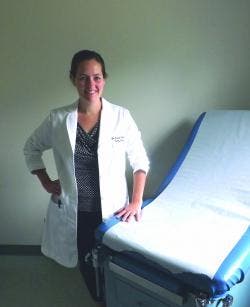


Direct Primary Care is taking the nation by storm! Clinics are popping up across the country, with the first DPC, Qliance, starting this trend in the mid 2000s. But, what is all the fuss about?
DPCs are primary care physicians’ answer to the healthcare crisis. Instead of a typical insurance model, where patients pay a copay and a bill is sent to their insurance company, a DPC practice simply charges the patient a monthly subscription fee directly. The average fee is $50 per month, a differentiator from the higher-priced Concierge models which average in the $200 range per month and often require year-long commitments, with multiple additional services and high-end offices.
DPC is thriving because patients want something different. Who enjoys waiting amongst a room of sick patients to see the doctor for a few short minutes after being ushered from station to station, visiting first the secretary, then the MA? Who wants there doctor to send them to a specialist or order a battery of tests because he or she has only 7-10 minutes on average to spend in the room? Who likes it when their doctor barely remembers their name, let alone their medical history or what was discussed last visit? Who values the time spent on hold while trying to get in for a physical only to be told the next appointment is in three months?
Find out what's happening in North Kingstownfor free with the latest updates from Patch.
The typical DPC practice offers same day visits, home visits, access to your doctor’s cell phone 24/7, online appointment booking, more focus on prevention and wellness, and no waiting in the waiting room. DPC doctors spend at least 30 minutes discussing who you are and what you want out of your doctor-patient relationship.
Doctors have managed to make this work by eliminating the middle man - the insurance company. Patients keep their insurance but they use it for labs, medications, testing, and specialist visits. The majority of their care is covered by their DPC membership - sick visits, wellness visits, and preventative care. What most patients use and need the most of is primary care and DPC highlights that by placing the primary care doctor at the center of the patient’s care team and emphasizing primary care over unnecessary visits to specialists and urgent care.
Find out what's happening in North Kingstownfor free with the latest updates from Patch.
Patients are switching from their typical doctors’ practices, not because they aren’t happy with their doctor, but because they’re frustrated by the system. The movement is gaining momentum because we all want our healthcare to be higher quality, lower cost, and have better outcomes. We’re sick of paying a third party, whether it’s government or private, top dollar for more tests, more specialty care, and less personalization. We want to be able to choose where we go, what we have done, and how much we pay for it. When it comes down to it, insurance was designed for catastrophies, not for everyday use.
Think of this like car insurance. You have insurance to pay for big things that come up, like accidents and major repairs. Imagine if we tried to have car insurance to cover everything - windshield wipers, brake lights, tires, and oil changes - the predictable maintenance. It would end up costing everyone a whole lot more and causing some people not to be able to afford any insurance at all. This system makes no sense. What we imagine is healthcare costing a lot less for every individual and insurance applying to the “major repairs” - hospitalizations, emergency services, surgery, and specialist care. When people have direct access to primary care at a predictable cost, they use it and overall healthcare costs and individual costs are reduced substantially. That makes Direct Primary Care good for the patient and good for the system!
Dr. Hedde practices Direct Primary Care at her Wickford office and is now accepting new patients. You can find out more about Direct Doctors as www.directdoctors.org or email Dr. Hedde at directdoctors@gmail.com.