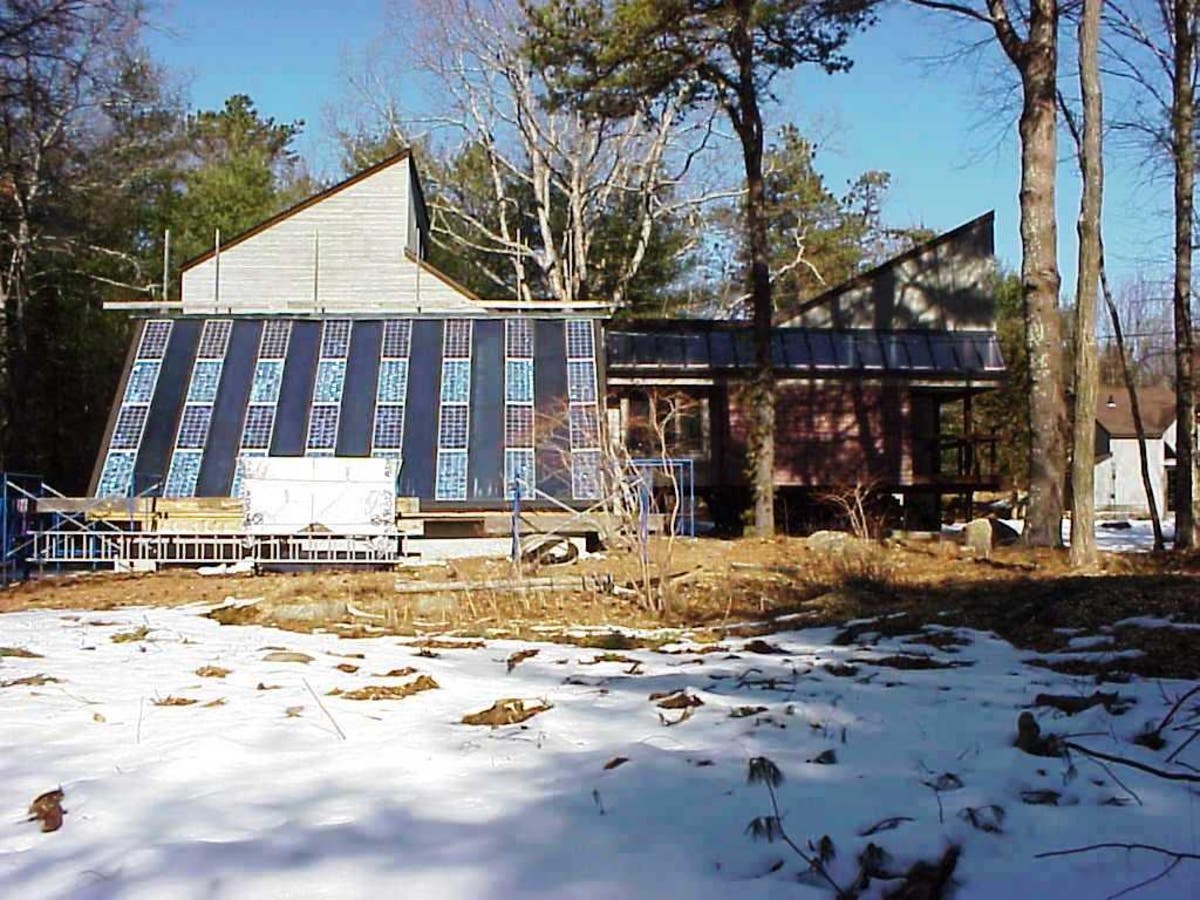
I am a longtime advocate for renewable energy particularly residential scale solar systems such that I incorporated solar heat and hot water in my Exeter home. The truth be told, unlike utility scale solar systems residential solar systems have little or no negative impacts; excess power is sent back into the grid at the same price it’s bought through the net-metering program; no subsidy is paid by the grid/consumer for the power generated; reduces the strain on the electric grid by lowering consumption with minimal to no impact on neighboring properties, farmland, open space, forests, wildlife habitat, and pastoral viewsheds.
Find out what's happening in North Kingstownfor free with the latest updates from Patch.
Find out what's happening in North Kingstownfor free with the latest updates from Patch.
Residences are significant potential renewable energy producers and combined with roof installations are projected to provide 40 percent of RI’s 2020 renewable energy goal. Through creative design solutions of building mounted installations, not just roofs, that percentage can significantly be increased. In contrast, utility scale solar systems which primarily benefit the developers’ bottom line paid for by the electric consumer. Cities and Towns with large tracts of forested and farmland are attractive to developers of utility scale solar systems commonly referred to and misnomered as “Solar Farms”. These land consuming systems are not farms but rather for profit utility/industrial type uses that are inappropriate and prohibited in residential areas.
Rhode Island is aggressively promoting renewable / controversial energy for large utility scale systems. The fields, farms, forests and open space that define Rhode Island’s unique rural and agricultural character and “sense of place” are at risk with the sudden explosion of applications for utility scale solar systems. Conversely, the House Bill H7665 sponsored by Representative Casimiro to amend the “Residential Renewable Energy System Tax Credit” would allow a tax credit to be carried over three years maximum similar to the federal tax credit. This tax credit for smaller residential renewable energy systems is not controversial and is appropriate in most locations having the greatest potential for increasing the advancement of renewable energy and reducing the reliance on environmentally damaging fossil fuels. It also will have a significant impact in promoting jobs for the local building trades and small business renewable energy firms while generating revenue for the state of Rhode Island in sales, payroll, and income tax revenue unlike utility scale solar systems that employ specialized out-of-state contractors. Utility scale solar systems are highly profitable for developers because of the exceedingly generous financial incentive/subsidy mandated by the state of RI to purchase solar electrical power. That subsidy, however, is passed on and paid for by the average homeowner and business. Alternatively, the positive impact of the residential renewable energy tax credit on reducing our reliance on fossil fuels and increasing local jobs in a growth industry comes at little or no cost to the taxpayers and is a net plus rather than a burden to the state budget or a threat to farmland, forests, and open space in rural communities.