Health & Fitness
Civic Engagement and Community Outreach Are Essential
Our new town administrator discusses civic engagement.
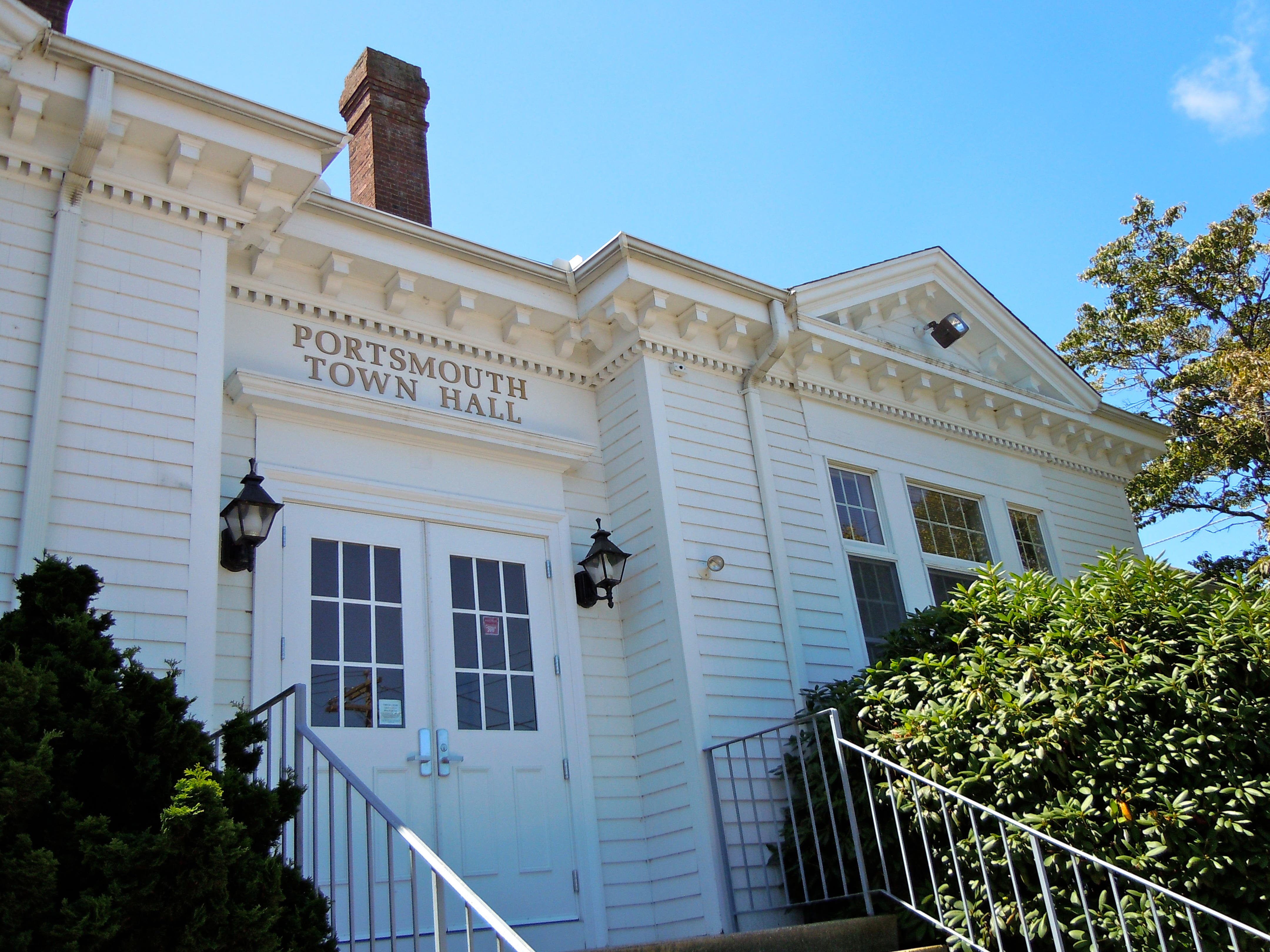
It seems just like yesterday. The year was 1999 and I had just been sworn in as a new town manager. I went to Town Hall and almost immediately knew something was amiss. I could almost feel it. So I started asking around to find out what was wrong. I first asked the Town Hall staff. Then the Town Council. Then leaders in the community. And finally, I asked town officials from surrounding communities. I asked anyone who would listen.
Why are so few people involved in local government anymore, I asked?
And they all said the same thing. Civic engagement is over. People are too busy. People are working two or three jobs just to make ends meet. People are turned off by government at every level and are too cynical. People just don't care anymore.
Find out what's happening in Portsmouthfor free with the latest updates from Patch.
I heard it over and over again. After a week I began to conclude that I had made a poor career choice. You see, government without people is not where I wanted to be. So I had a decision to make. I could either exit stage right as soon as possible or try to figure this thing out.
John, People don't care anymore. I just kept hearing it....but it just didn't add up. I understand the world today. I know people are busy and I know that many are cynical. But to conclude that most citizens don't give a damn anymore, I just couldn't swallow it. So we began to put together a comprehensive community outreach plan to see if the pundits where right. People don't care anymore?
Find out what's happening in Portsmouthfor free with the latest updates from Patch.
We started by making a new commitment to get out into the community. Not just me but the entire senior staff. So we went to civic meetings and neighborhood groups and community clubs and any venue that would have us. And the more we went the more the invitations came in. Next, we evaluated the use of our TV programming. At the time, few meetings and events in town were broadcast live or even rebroadcast. We changed that. Soon not only the Town Council and a few regulatory committees were televised, but almost all of the 40 committees and commissions. We started using the television as a tool to communicate what was going on in town. We then heard that people started watching, but that they weren't always home during the meetings. So we started video on demand to allow citizens to watch programming at their convenience.
We then turned to our town's Web site. Nothing to write home about, it was simply too basic to be helpful. So we committed to improve it and won an award as the 4th best Web site in the state five years later. We started the practice of an annual citizens survey asking our citizens what they liked and disliked about local government and what changes they would like to see made. At a Town Council meeting, the naysayers came out in force and questioned the expenditure of hiring a professional survey firm to conduct the survey. My response to them was in the form of a question: "We can ask our citizens to give us $100 million a year of their hard earned tax dollars, but we can't spend a few thousand to ask them what they think"? The council supported the request unanimously and the town has been conducting a survey ever since.
In discussions with folks about citizen participation the issue of education came up. I heard the question, do our citizens even know what each department does on a daily basis? And, are there ample opportunities to communicate (listen) to citizens concerns and respond directly about the operations of town government. I had heard about a successful program in Florida and was intrigued by it. A Citizens Leadership Academy. We started the first semester in 2003. The skeptics said I wouldn't even fill the first class. That I would be sitting there like the Maytag repairman. Remember, people don't care anymore. The Citizens Leadership Academy has graduated over 650 residents and there is a waiting list at the beginning of every semester. Citizens were committing one night a week for 11 weeks, some waiting a year to get into the program. But I thought people didn't care anymore?
We instituted a weekly ENewsletter and a monthly News Bulletin and the skeptics said, "it was too much work and no one would sign up." Several years later, we were sending out ENewsletters to over 3,000 households a week. And we instituted a townwide emergency notification system to communicate with citizens during storms, or events such as a lost child or a major construction delay. Some said it was too much money and that people would not support the cost. Go ask the daughter of an elderly gentlemen suffering from Alzheimer's disease who got lost or the parents of a child who was abducted or the thousands of residents impacted by a storm. The majority of residents today think that it was a wise decision to implement the system.
Communications. Civic Engagement. Community Outreach.
Our experiment in civic engagement demonstrates that even in 2012, people care deeply about their community. And they will participate in making it better. But not like before. Gone are the days when hundreds of citizens will show up regularly at town meetings. People are too busy for that. But through our efforts, we also learned that technology is our best friend. People will participate but not in the ways our parents and grandparents did. It is a new day in local government. The question is, will enough citizens commit themselves to make it work.
I don't know if these tools will work in Portsmouth. And I don't know what other tools we should be investigating. If you have any thoughts on this issue, please feel free to either comment here, or e-mail me at jklimm@portsmoutri.com.
What do you think?