Politics & Government
Providence City Council Tweaks Reparations Bill, United Way Steps In
The council sent the plan back to committee, and the United Way will administer a new COVID-19 equity plan that was allocated $1.75 million.


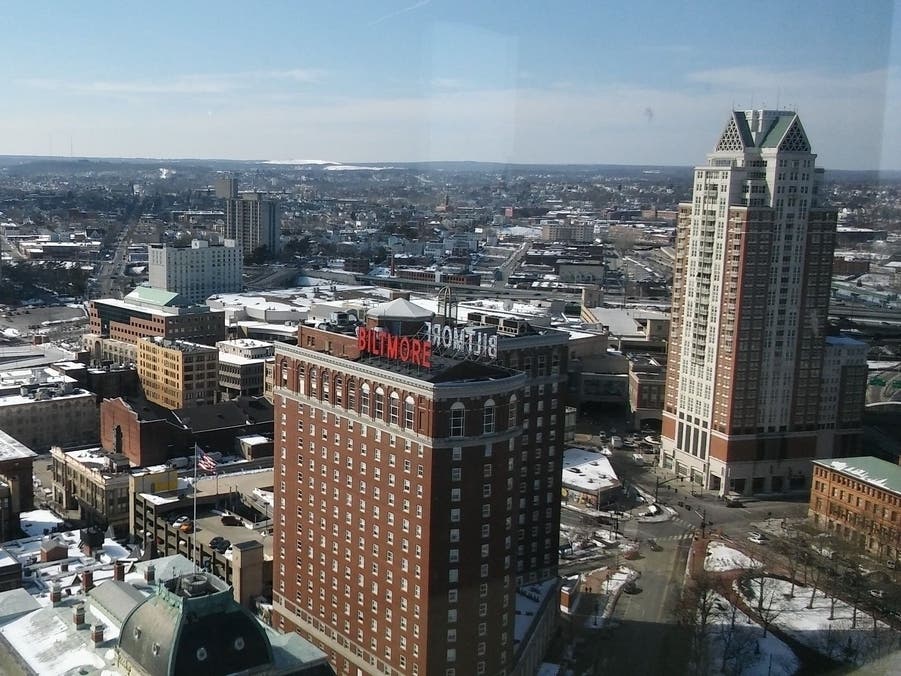
PROVIDENCE, RI — The Providence City Council didn't approve the $10 million reparations plan at a Tuesday meeting, but there was still progress made toward getting the program passed.
Councilmembers voted 11-0 to add an amendment that would scrap portions of the program that they considered redundant, and funnel the now free $1.75 million into a COVID-19 equity fund that will be overseen by the United Way. The measure will now head back to the Committee on Finance.
To get to that $1.75 million figure, the council cut a proposed home repair fund, a legal defense fund for renters facing eviction and an expansion of Mayor Jorge Elorza's guaranteed income program.
Find out what's happening in Providencefor free with the latest updates from Patch.
The United Way addition is interesting on a few fronts, but most namely in that the organization will look to secure investments into the program from outside donors.
According to WPRI, who secured a copy of the amendment, the goal is "attracting additional investment from outside partners in order to expand the amount of resources available to carry out the mission of the COVID-19 Equities Program."
Find out what's happening in Providencefor free with the latest updates from Patch.
This is important for a few reasons, especially for those who feel like the $10 million investment is just scratching the surface.
According to the Providence Journal, Councilwomen Nirva LaFortune and Jo-Ann Ryan were among the officials who said that, while the $10 million is a starting point, it's far from enough to solve every problem.
"One thing I just want to highlight is that we cannot assume that allocating $10 million is enough to address the equity gap within our communities, within our city and our state," Lafortune said. "The harm that was caused by slavery or enslaving people continues today in this present day."
"But it’s something, right? If we’re starting somewhere," she added.
The city has created a website for the reparations commission, outlining the plan and who they hope will benefit from the investment. To learn more, click here.
Get more local news delivered straight to your inbox. Sign up for free Patch newsletters and alerts.