Politics & Government
Bristol Pulls Out of Energy Consortium, Tiverton Wants More Information on EBEC
The Bristol Town Council voted 3-1 to withdraw from the group committed to exploring renewable energy. Tiverton council members said they need clearer guidelines on the East Bay Energy Consortium's intentions for the industrial park.

Bristol has pulled out of the East Bay Energy Consortium, voting 3-1 at the Oct. 10 Town Council meeting to back away from renewable energy group, reports eastbayri.com.
Nine East Bay communities, includeing Tiverton and Little Compton began the consortium in 2009 to explore the feasibility of combining resources across the East Bay municipalities to invest in renewable energy. The group got a boost earlier in the year when the state Senate approved it as a non-profit governmental entity, but the House Environment and Natural Resources Committee determined it should be "held for further study," which essentially killed the bill.
Bristol Councilor Halsey Herreshoff proposed withdrawing from the group, gaining support from Councilors David Barboza and Antonio Teixeira. Councilor Mary Parella cast the lone vote against withdrawal. Council Chairman Kenneth Marshall, who originally proposed joining the consortium, was absent.
Find out what's happening in Tiverton-Little Comptonfor free with the latest updates from Patch.
The energy consortium was controversial since its inception, with doubts about the group heightened after 38 Studios defaulted on a $75 million loan to the Economic Development Corporation. The bill initially proposed the Consortium would be a subsidiary of the EDC, which raised concerns that if it defaulted on its loans, Rhode Island taxpayers would be held liable once again. Sen. Louis DiPalma, who introduced the bill in the Senate, said the language was changed so that the consortium would be a stand-alone entity and would be responsible for its own debts.
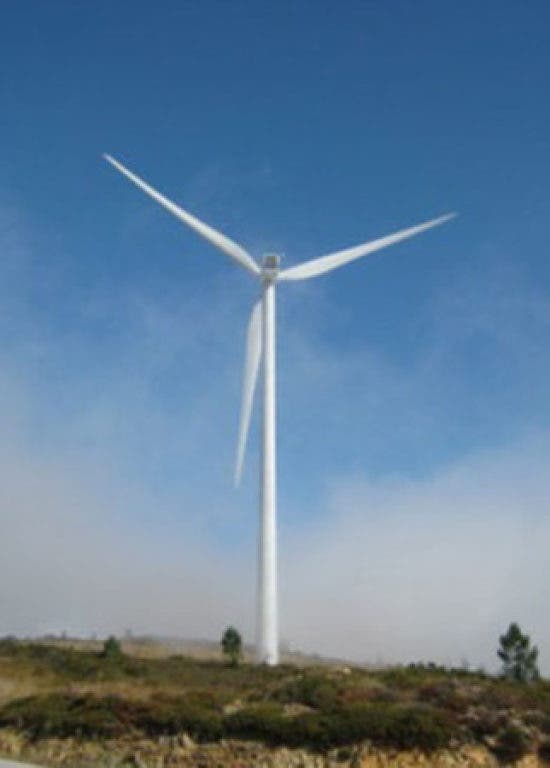
Tiverton had other issues with the legislation. The consortium targeted the town's 177-acre industrial park, proposing 10 80-foot turbines and the installation of solar arrays for a combined 20 to 25 megawatt system. EBEC estimated costs of the project to be between $50 million and $70 million and expected a net return of about $23 million to $40 million.
Find out what's happening in Tiverton-Little Comptonfor free with the latest updates from Patch.
Tiverton originally opposed legislation drafted to turn the EBEC into a governmental organization because it contained eminent domain and froze-out private sector activity.
These concerns are still true today. At the Tiverton Town Council's Oct. 9 meeting, Jay Lambert, council president complained that the town had no rational framework to compare EBEC's proposal to private proposals because no legislation was ever adopted.
"At some point, the Town Council of this town needs to make a decision of are we going to try for some alternative source of energy," said Lambert at the meeting. "Whether it is private or public, we can't wait on EBEC forever. I think we have been patient but obviously we can't wait forever."
The Tiverton Town Council has heard from several private firms interested in developing the industrial park for alternative energy.
Little Compton commissioned an ad hoc committee in May to review the many versions of the draft legislation to turn EBEC into a government entity. The town's council President Robert Mushen worried the process was being rushed without proper vetting.
"It’s very early in this legislative process," Mushen said at a . "I'm not worried something’s gonna slide under the radar with the eminent domain challenge. I know it’s odd for an entity to seek it, but laywers say you have to have taxing authority, policing authority or eminent domain to have the power. I'm looking for the legislation to mature before it gets voted on."
Still, doubts remained. Gov. Lincoln Chafee opposed the bill, telling legislators in a letter, "There is language in the legislation that I cannot support, including creating EBEC as a subsidiary of the Economic Development Corporation and the potential financial exposure the State would be Subject to regarding the bond financing of this project.”
DiPalma said the letter was probably a “contributing factor” in the decision to remove the EBEC’s testimony from a hearing before the House committee.
Council Chairman Marshall, who was away on business the night of the council meeting, said he would have voted against withdrawal, eastbayri.com reported.
What do you think? Should Bristol have continued to work with other East Bay communities to work toward renewable energy? Or was it an economic boondoggle sure to cost taxpayers money without returning results? Weigh in in the comments section below.
Get more local news delivered straight to your inbox. Sign up for free Patch newsletters and alerts.