Politics & Government
Public Has Say on $122M Budget
Earlier, the state-appointed Budget Commission approved the School Committee's request to bring 63 laid-off teachers back to work.
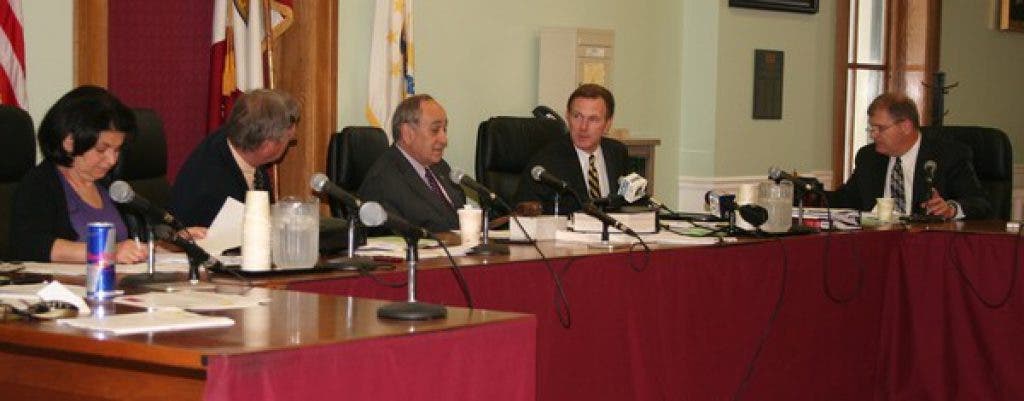
The public had its say Monday night on a proposed $122 million municipal budget for the new fiscal year that begins July 1, though with the state's recent move to take control of city finances the City Council's approval is no longer needed.
This year final authority rests with a five-person municipal Budget Commission appointed by the state Department of Revenue earlier this month. The commission is expected to begin reviewing the 140-page document at its next meeting, scheduled for 3 p.m. Thursday.
Earlier in the day, the Budget Commission unanimously voted to approve the School Department's request to recall up to 63 teachers laid off earlier this year. At last week's meeting, until after the School Committee's official approval of the recall, which was not to happen until Monday afternoon. Instead, the commission, at its meeting early Monday morning, agreed to approve the recalls pending the School Committee's approval.
Find out what's happening in Woonsocketfor free with the latest updates from Patch.
The proposed fiscal 2013 budget includes a $3 million increase over the current year's spending. Most of that money — $2.8 million — will go to Woonsocket public schools.
The spending plan includes a property tax increase of 3.9 percent. The hike does not require approval by the state legislature, unlike the proposed supplemental tax increase proposal that failed to pass earlier this month. The new tax rate for residential property will be $32.94 per $1,000 of assessed value. For commercial property, the rate will be $38.65, and for motor vehicles, $46.58.
Find out what's happening in Woonsocketfor free with the latest updates from Patch.
Mayor Leo Fontaine, who serves on the commission, told residents at Monday's hearing the panel will listen to City Council recommendations, but their approval is not required for passage of the proposed budget. "I would say it's a formality," Fontaine told the audience. "They have the ability to delete, but not full authority."
During the hearing, good government activist Lorraine Cory criticized City Hall officials for not allowing residents sufficient time to review or discuss the proposed budget document. "Last year there were 12 budget meetings where people could comment," she said. "This year you're showing us the budget for the first time tonight. That's not acceptable."
Fontaine replied that the budget document has been availble for public review for several weeks, and that residents could have picked up copies at City Hall prior to the hearing.
Cory then answered that when she asked about the budget at a City Council meeting two weeks ago, she was told it was not available.
Several other residents spoke offering ideas for specific cuts. Most of those suggestions, however, had already been considered by city budget planners.
Resident Richard Fagnant proposed the city get rid of cell phones for city employees and elected officials. "We have to start running our house like a corporation," he said.
Fontaine replied that he and most city employees use their personal cell phones while working, and only the Police and Fire departments issued cell phones to employees.
Tom Geving, a member of the Woonsocket Taxpayer Coalition, raised questions about step pay increases for city and school employees and pension hikes for retired city workers. "I haven't received a pay raise in a long time," he said. "But we keep hearing about cost of living increases for retirees ... Employees deserve a fair wage, but in these economic times, things like longevity pay should be put on hold for a few years."
According to Fontaine, the Budget Commission's review of the document will be swift. If the legislature had approved the supplemental tax bill, the city could be receiving some tax revenue soon, and the commission could have moved at a more deliberate pace, he said. Now, however, that is no longer the case, because tax bills must be sent out by June 29.
That means there will be no discussions with unions or retirees to discuss possible concessions. "We don't have the time to meet with them," Fontaine said. "The Budget Commission has a very short window."
City Council member Roger Jallette said the rush raised some concerns. "We haven't had one meeting to discuss how we could make cuts," he said.