Politics & Government
Lexington Moves to Ban Synthetic Drugs
Despite statewide ban, Town Council gives initial approval anyway to ordinance banning 'bath salts' and synthetic marijuana


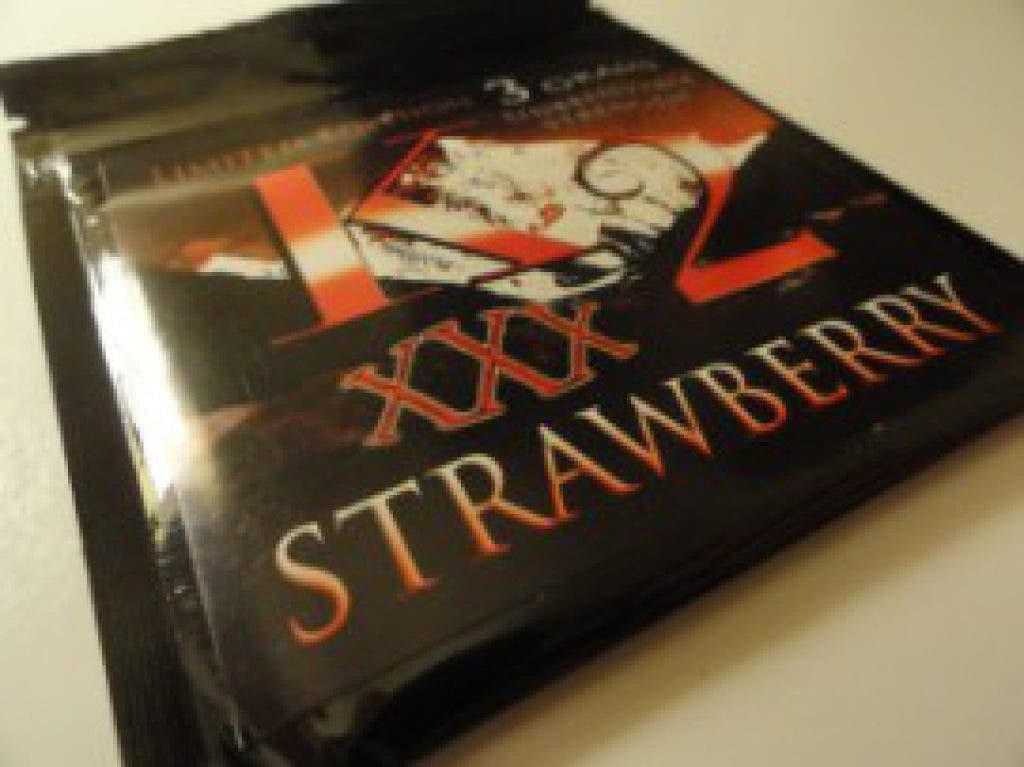
Despite a statewide ban that went into effect late last month, the Lexington Town Council took the precautionary measure of also banning so-called 'bath salts' and synthetic marijuana in an unanimous vote Monday night.
The Council will need to give final reading approval at it's next regular meeting for the ordinance to take effect.
Mayor Pro-Tem Hazel Livingston noted the statewide ban by the state Department of Health and Environmental Control in presenting the ordinance, but said the Council felt it necessary to enact it's own ban anyway.
Find out what's happening in Lexingtonfor free with the latest updates from Patch.
"The sale and use of synthetic marijuana and bath salts have become an alarming trend in many municipalities across the country. Regulation of the items is scant, so many municipalities are choosing to adopt ordinances addressing the subject until state law can address it adequately," Livingston said.
"Council is being asked to consider adopting an ordinance regulating the use of these items. Several other S.C. municipalities have already done so. DHEC has recently enacted a temporary ban on these items that is intended to apply statewide," she added. "However, Council may wish to pass its own ordinance to remain protected in the event that state legislation is delayed or fails to pass."
Find out what's happening in Lexingtonfor free with the latest updates from Patch.
However, the emergency ban isn't considered temporary by DHEC and shouldn't require any further legislation in the state, likely rendering the town's ordinance moot, if recent comments by DHEC officials are to be believed.
Prior to DHEC's ban on Oct. 24, the U.S. Drug Enforcement Agency listed three substances often marketed as "bath salts," but actually ingested as psychoactive drugs, as schedule I controlled substances effective Oct. 21.
(The three substances are mephedrone, methylone and methylenedioxypyrovalerone (MDPV). Products that have long been used for bathing and are available in the health and beauty sections of retail stores do not contain these chemicals and are unaffected by the ban).
Further, the five substances commonly used in synthetic marijuana have previously been classified by the DEA as schedule I controlled substances.
"State law authorizes the DHEC Board to designate a substance as a controlled substance in this state if the federal government has issued the same designation," Carl Roberts, general counsel for DHEC, said last month in announcing the state ban.
Schedule I status is reserved for those substances with a high potential for abuse, no accepted use for medical treatment in the United States. and a lack of accepted safety guidelines for use of the drug under medical supervision.
South Carolina law states that anyone convicted of the possession, manufacture or distribution of a schedule I controlled substance is guilty of a felony and on first offense is subject to not more than five years in prison and a fine of up to $5,000, with more severe penalties for subsequent offenses.
"I think the general public needs to know how dangerous these chemicals are," said Council member Ted Stambolitis. "They used to be found in a lot of convenience stores and kids and adults for that matter have been purchasing these drugs that at one time were considered legal.
"They do a lot of harm and a lot of damage," he added. "And even though we're outlawing it in Lexington and South Carolina is outlawing it, it can still be purchased on the Internet…. So, I think everybody needs to be wary about how bad it is. So, citizens, please be on the lookout for these drugs."
Get more local news delivered straight to your inbox. Sign up for free Patch newsletters and alerts.