Neighbor News
5 Natural Oils That Actually Work for Hair and Skin - And the Smart Way to Use Them
Discover 5 powerful natural oils that enhance hair and skin, plus the best ways to use them for maximum benefits.
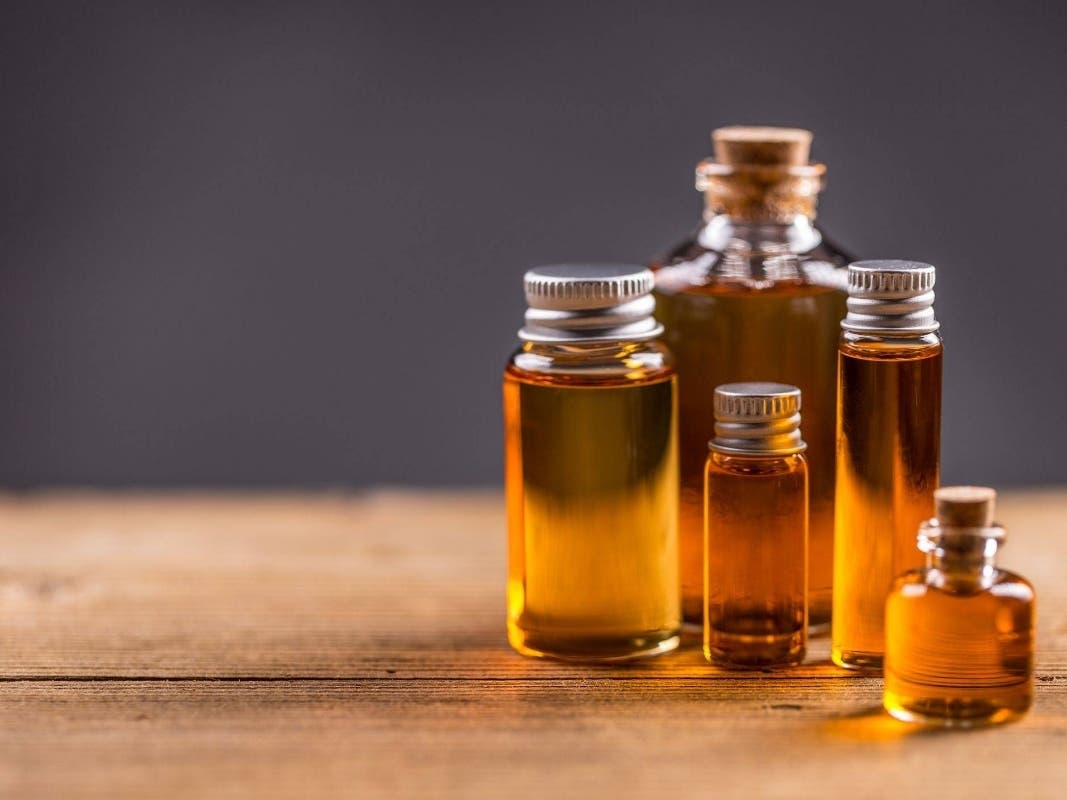
If you've ever stood in the beauty aisle staring at shelves of products that all promise miraculous results, you're not alone. Most of us have spent more money than we'd like to admit on shampoos, serums, and treatments that delivered underwhelming results. What's surprising is that some of the most effective hair and skin care ingredients in existence don't come in fancy packaging — they've been sitting in kitchens and traditional medicine cabinets for centuries.
This guide focuses on five natural oils with genuine scientific backing.
Why Natural Oils Work - The Short Science
Your scalp and skin are protected by a lipid barrier — a thin but vital layer of fatty acids and oils that keeps moisture in and irritants out. Most commercial shampoos and cleansers, particularly those containing sulphates, strip this barrier with every wash. Over time, this leads to chronic dryness, scalp sensitivity, follicle inflammation, and slower hair growth.
Find out what's happening in Houstonfor free with the latest updates from Patch.
Natural oils work by replenishing this lipid layer. Depending on their molecular structure, they either penetrate the hair shaft (like olive and almond oil), sit on top of the cuticle to seal moisture in (like argan oil), or regulate sebum production at the scalp level (like jojoba oil).
Some, like kalonji oil and onion oil, go further — delivering bioactive compounds that actively stimulate follicular growth and suppress the hormonal and inflammatory mechanisms behind hair loss.
Find out what's happening in Houstonfor free with the latest updates from Patch.
Understanding which mechanism matters most for your specific concern is the key to choosing the right oil — and this is where most people go wrong.
1. Olive Oil: The Most Underestimated Oil in Your Kitchen
Olive oil is so common that most people never think of it as a hair or skin treatment. That's a mistake.
Olive oil is exceptionally rich in squalene, oleic acid, hydroxytyrosol, and polyphenols — compounds that collectively improve skin hydration, stimulate collagen production, protect against UV-induced cellular damage, and reduce scalp inflammation. A 2025 study comparing extra virgin olive oil and pharmaceutical petrolatum on skin found that both improved hydration, reduced redness and flakiness, and enhanced barrier function — though olive oil had the added benefit of promoting cell turnover.
How to use it:
- For scalp and hair: Warm two tablespoons of extra virgin olive oil slightly. Massage into scalp for 5 minutes, work through to tips. Cover with a warm towel or shower cap and leave for 45–60 minutes before shampooing. Once a week.
- For skin: Two drops mixed into your nighttime moisturiser. It absorbs well overnight and significantly reduces morning dryness without feeling greasy.
- For frizz control: One drop rubbed between palms, smoothed over dry hair ends as a finishing step.
Best for: Dry or damaged hair, scalp inflammation, psoriasis, brittle strands, anti-ageing skincare
👉 Read the full breakdown in this guide to olive oil benefits for health, skin, and hair
2. Almond Oil: The Quiet Workhorse That Rarely Gets Credit
Almond oil is one of the most nutritionally dense oils available for topical use, yet it rarely gets the attention it deserves. It is extraordinarily rich in Vitamin E (one of the highest concentrations of any natural oil), magnesium, biotin, omega-9 fatty acids, and zinc — a combination that addresses some of the most common underlying causes of hair thinning and scalp issues simultaneously.
For the scalp, almond oil's deep penetration ability — it absorbs to the cellular level — allows it to treat dryness and itchiness in a way that surface-level conditioners simply cannot replicate. It retains moisture in the scalp layers, creating the sustained hydration environment that follicles need to stay active and productive.
For the skin, almond oil is one of the most effective natural treatments for eczema, psoriasis, and chronically dry skin. Its moisture retention capability and deep absorbency keep skin pH balanced and prevent the cycle of dryness and inflammation that drives these conditions. It also has mild natural UV protective properties, making it a useful addition to daytime moisturising routines.
How to use it:
- For scalp treatment: Warm the oil slightly. Massage into scalp in circular motions for 10 minutes. Leave overnight once a week — almond oil is light enough to wash out easily in the morning with a regular shampoo.
- For hair strength: Apply a small amount from mid-lengths to ends before washing as a pre-shampoo treatment. This significantly reduces the mechanical damage caused by washing.
- For skin: Apply directly to dry patches on face or body as a targeted treatment. Works excellently under the eyes for dark circles and dehydration lines.
Best for: Hair thinning, flaky/itchy scalp, dry skin, eczema, under-eye dehydration, brittle nails
👉 Explore every benefit in this comprehensive almond oil benefits guide for skin, hair, and health
3. Kalonji Oil: The Most Underused Hair Growth Oil in Existence
If you haven't heard of kalonji oil — also called black seed oil, derived from Nigella sativa seeds — you're about to. This is one of the most bioactively potent oils available for hair and scalp health, with a growing body of peer-reviewed research to back it up.
Its primary active compounds are thymoquinone and nigellone — two molecules with documented anti-inflammatory, antifungal, and DHT-inhibiting properties. DHT (dihydrotestosterone) is the hormone most directly responsible for androgenic hair loss, commonly known as pattern baldness. By inhibiting the enzymes that convert testosterone to DHT at the scalp level, kalonji oil addresses pattern hair loss at its hormonal root — something very few natural oils can claim.
For those experiencing thinning at the temples, crown, or hairline — or persistent scalp inflammation that has resisted other treatments — kalonji oil is the most logical natural first intervention.
How to use it:
- Mix kalonji oil with a lighter carrier oil (coconut or jojoba) in a 1:3 ratio if you find the consistency too heavy on its own.
- Massage into scalp focusing on thinning areas. Leave on for at least 30 minutes, ideally 1–2 hours, before washing.
- Use 2–3 times per week for at least 8–12 weeks before evaluating results. Hair growth cycles are long — patience is essential.
- Can also be combined with onion oil for a synergistic anti-hair loss treatment.
Best for: Pattern hair loss, DHT-related thinning, scalp inflammation, dandruff, premature greying
4. Sesame Oil: The One With UV Protection Built In
Sesame oil is one of the most thermally stable and chemically complex oils used in traditional medicine systems across Asia. In Ayurveda, it is called the "queen of oils" — a title earned through thousands of years of therapeutic use. Modern research is increasingly validating this reputation.
For the skin, sesame's antioxidant profile combats the oxidative stress that drives premature ageing — free radical damage from UV exposure, pollution, and stress. Studies have shown sesame oil to be effective in reducing skin roughness and improving elasticity, making it a credible addition to any anti-ageing skincare routine.
It is also worth noting that sesame oil has demonstrated relatively low comedogenicity — meaning it is less likely to clog pores than many heavier oils — making it suitable even for those with combination or mildly oily skin.
How to use it:
- For scalp: Apply as a pre-wash oil 30–45 minutes before shampooing. Massage in gently, focusing on any areas of chronic dryness or irritation.
- For sun protection boost: Apply a thin layer to scalp and hair before outdoor exposure. Not a replacement for SPF but a meaningful supplementary layer.
- For skin anti-ageing: A few drops warmed between palms and pressed gently into skin before bed. Works particularly well on the neck and décolletage.
Best for: Dandruff, scalp infections, UV-damaged hair, anti-ageing skin routine, dry and irritated scalp
5. Argan Oil: The High-Performance Finishing Oil
Argan oil — sometimes called "liquid gold" — is extracted from the kernels of the argan tree native to Morocco, and it has earned its premium reputation through a genuinely strong body of research. A peer-reviewed study documented statistically significant increases in gross elasticity, net elasticity, and biological elasticity of the skin after two months of consistent argan oil application. For hair, its sebostatic effect — meaning it regulates and reduces excess sebum production — makes it particularly effective for oily scalp types who need conditioning without adding further oiliness.
What most people don't realise is that argan oil's true power lies in consistent use over time rather than immediate dramatic effects. Used daily as a two-drop post-wash treatment on damp hair ends or mixed into a nighttime moisturiser, it gradually but meaningfully improves hair texture, skin tone, and overall resilience.
How to use it:
- For hair: 2–3 drops on damp or dry hair ends. Do not apply to roots — it is a treatment for the hair shaft and ends, not the scalp.
- For shine and frizz: 1 drop rubbed between palms, applied lightly over the surface of dry styled hair as a finishing step.
- For skin: 2 drops mixed into night moisturiser or pressed directly into cleansed skin before bed.
- For oily scalp: Dilute 5 drops in your regular shampoo before washing. The sebostatic effect works best when delivered during the wash itself.
Best for: Frizzy or dull hair, oily scalp, skin elasticity, acne-prone skin, thermal heat protection, daily finishing treatment
The Missing Piece: Knowing Which Oil Is Right for YOU
Here's the honest truth: all five of these oils work. But the one that works best for you depends entirely on your specific scalp type, hair texture, skin concerns, and face structure. An oily scalp will respond completely differently to castor oil than a dry one. Someone with a round face and high-sebum T-zone has different topical needs than someone with a diamond face and dry, tight skin.
This is where modern AI tools are changing the game in a genuinely practical way. FaceAuraAI offers a suite of free, browser-based tools — no app download, no sign-up required — that analyse your facial features instantly and help you understand your starting point:
The lip shape detector and eye shape detector help you understand your feature proportions for targeted skincare focus areas. The golden ratio calculator gives you a structural read on your facial proportions — useful for identifying which zones are naturally prominent and may need more moisture or barrier support. And the gender detector and age detector provide biological baseline data that can meaningfully inform whether you need a more regenerative protocol or a preventative one.
These tools don't replace professional skincare advice — and they're clear about that. But they give everyday people a data-driven starting point that most of us have never had access to before.
A Simple Decision Framework
If you're not sure where to start, here's a quick guide:
Your Main Concern
Start With
Dry, tight, or irritated scalp
Almond oil or olive oil
Oily scalp, excess sebum
Argan oil (sebostatic)
Hair thinning or pattern loss
Kalonji oil
Dull, frizzy, damaged hair ends
Argan oil
UV-damaged hair or scalp
Sesame oil
Chronically flaky scalp
Sesame oil + kalonji oil
Overall conditioning + versatility
Olive oil
Dry skin, eczema, or psoriasis
Almond oil
Pick one or two from this list based on your primary concern. Commit to consistent application 2–3 times per week for at least six to eight weeks. Track your results. Adjust from there.
The most expensive product in your bathroom cabinet is probably delivering less than a consistent £8 bottle of cold-pressed argan or almond oil used correctly. The research consistently shows it. Thousands of years of traditional use back it up. The only variable left is whether you give it an honest, consistent try.
For detailed, research-backed guides on each oil mentioned and free AI tools to help you understand your own face and hair profile, visit FaceAuraAI's beauty and wellness hub.