Neighbor News
Climbing to New Heights After Lapiplasty®
How I got back to bouldering after undergoing an innovative bunion correction procedure


In the United States, nearly 25% of people suffer from a bone deformity commonly referred to as a bunion. As a part of that 25%, I am happy to be able to educate fellow Houstonians about the different treatment options that are available in our community. By sharing my story, I also hope to eliminate some of the stigma that is attached to the word “bunion” and encourage others to seek treatment.
A bunion is a progressive condition that occurs when unstable bones in the foot allow the big toe to drift out of alignment. The bone at the base of the big toe protrudes from the side of the foot, causing a deformity that can make it difficult to walk, wear shoes and participate in daily activities. They can even make it difficult to sleep. Many people are not aware that bunions can be very painful and have the potential to impact almost every aspect of your life.
In addition to the physical pain that bunions cause, they can also take an emotional toll. I developed bunions in high school and didn’t know what they were at first. By the time I was a junior, they had worsened and I was experiencing pain any time I put weight on my feet. I eventually had to sleep with my feet hanging off my bed so that I could lay on my side without putting any pressure on them. It was physically and emotionally exhausting.
Find out what's happening in Houstonfor free with the latest updates from Patch.
As my pain started to worsen, my parents sought out treatment for me and took me in for a consultation. We were told about a procedure called 2D osteotomy that involved essentially shaving off the bunions with the very real possibility that they might still return after surgery. The pain was becoming severe, so I decided to go through with the procedure on both of my feet at the same time. Unfortunately, I did not have a positive experience. I suffered extreme pain in both my feet and it took more than five years for me to regain movement in my big toes.
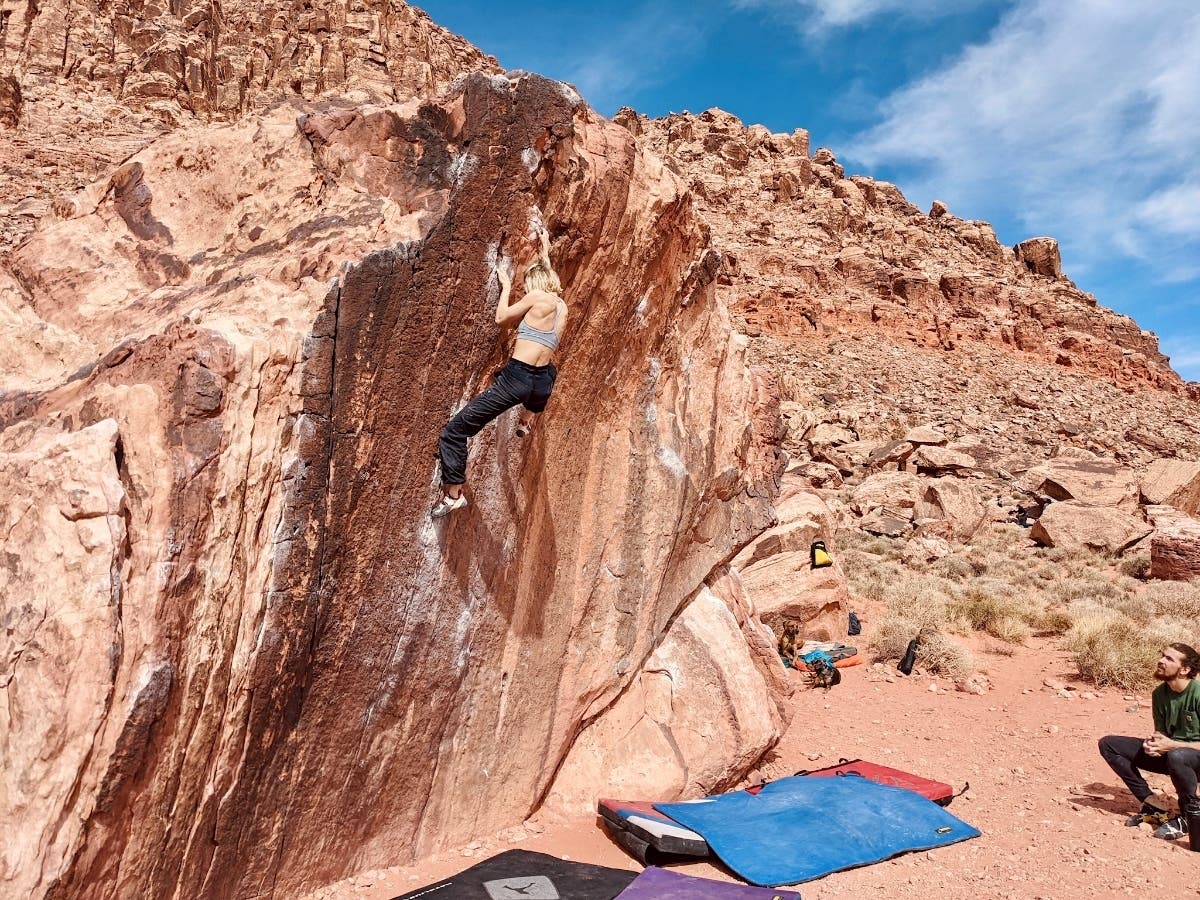
Only 10 years after surgery, my bunions had returned. By then, I was an avid rock climber and spent almost all of my free time bouldering. Bouldering is a high impact sport that does not involve any ropes or harnesses and requires participants to wear tight-fitting shoes. This time around, my pain was much worse and was beginning to have an impact on my ability to walk, let alone participate in the sport that made up such a huge part of my life.
Find out what's happening in Houstonfor free with the latest updates from Patch.
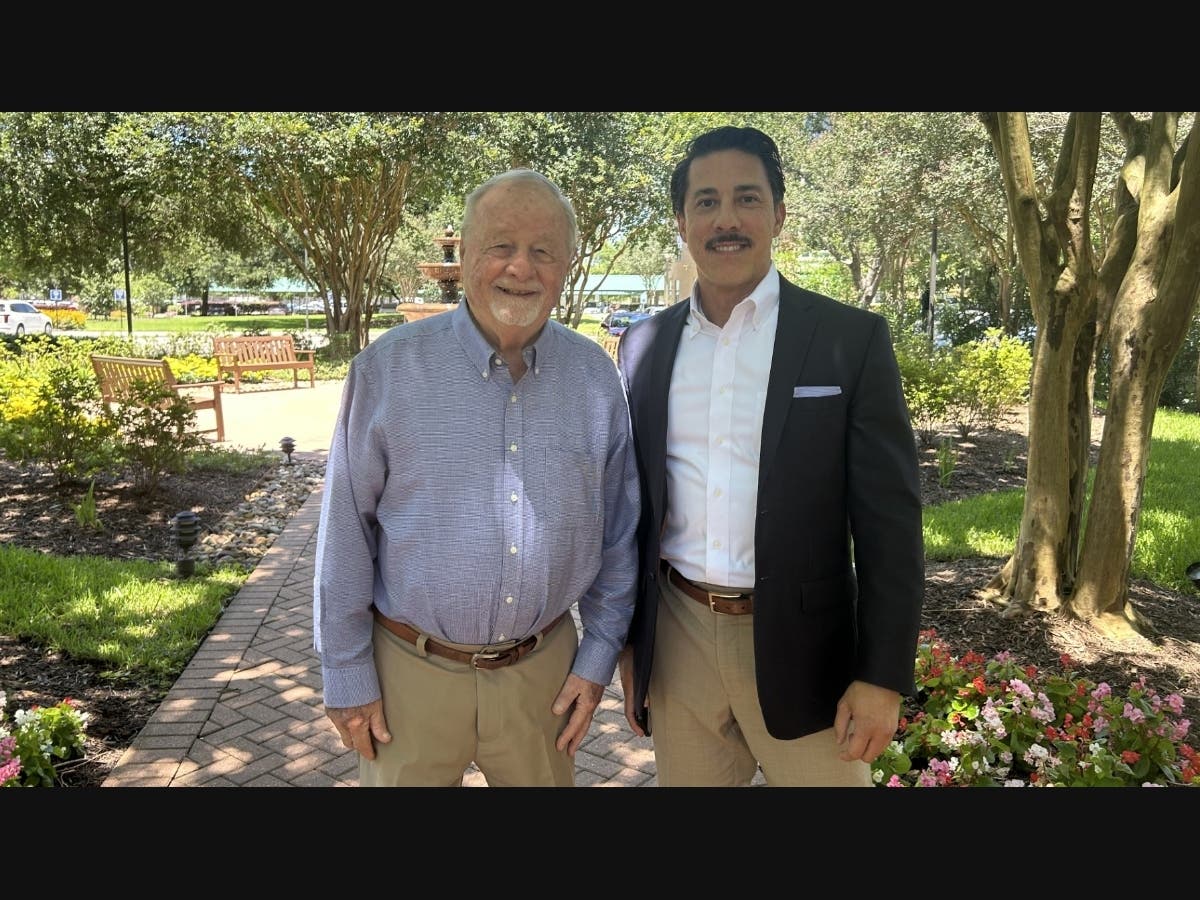
I knew I needed to address the issue before my pain became unbearable. I had no intention of getting them surgically removed again but I wanted to go for a consultation to see if there might be any insoles for my shoes that could help relieve my pain and prevent my condition from worsening. Despite not wanting to get another procedure, I was intrigued when I met with Dr. Thomas Pignetti from Advanced Foot Care in The Woodlands. He told me about a new option called Lapiplasty® 3D Bunion Correction™ and clarified that this procedure differed from traditional bunion removal surgeries in that it works to address the root cause of the bone deformity. With videos and images, he helped explain the science behind why it could be a good option and told me that the procedure actually corrected the problem, with a success rate of about 98%. After doing more research on my own, I elected to get my right foot corrected in March of 2019. I could not be happier with the decision I made that day and I still catch myself feeling incredible appreciation for everyone involved.
My recovery after this procedure was very different from my previous surgeries. I was shocked at how much simpler the entire process was and how easily the little pain I had was managed with medication. I stayed off my feet for just three days before being put into a walking boot that I used for six weeks. With regular icing and elevation, I was quickly able to return to my daily activities and resumed all normal function as soon as my boot was removed. The experience was so positive that just six months later, I underwent the procedure to correct my other foot. Each time I had a swift recovery – a stark contrast to the traditional method surgeries I had back in high school. Better yet, within a couple of months of my second operation, I was back to bouldering almost every other day.
After undergoing two different methods of bunion removal, I feel compelled to educate friends, family and members of the community about the benefits of Lapiplasty®. I know firsthand how excruciating the pain from bunions can be, and I also know how difficult it can be to talk about them and share your struggles with others. Many people are embarrassed to talk about bunions and that prevents them from seeking treatment. There is nothing to be ashamed of and in my opinion, you are only doing yourself a disservice if you avoid seeking treatment that can greatly improve your life.
For anyone living in the Houston area, I cannot recommend this procedure enough to those who are candidates. Do your research, learn more about the procedure, hear from others like me who have been treated and see if this could be right for you. If you are looking for a Lapiplasty®-trained physician, the Find a Doctor tool is a helpful way to see who has experience performing the procedure in your area.
Don’t let the fear of talking about bunions prevent you from living your life. There is a world where you can wear any shoe you want, walk all day, and if you’re like me, climb 20 feet in the air without experiencing any pain caused by bunions.
For more information about the Lapiplasty® Procedure visit www.Lapiplasty.com. To schedule an appointment with Dr. Pignetti, call 281-292-7000 or visit www.FootSpecialist.com.
Only a surgeon can tell if Lapiplasty® 3D Bunion Correction™ is right for you. As with any medical treatment, individual results may vary and this experience is unique and specific to this patient only. There are potential risks with surgery and recovery takes time. Potential risks include, but are not limited to: infection, pain, discomfort from the presence of the implant, loosening of the implant, and loss of correction with improper bone healing.