Neighbor News
Endocrinology: Understanding the Science of Hormones and Metabolic Health
Explore how hormones regulate metabolism, growth, and overall health in modern endocrinology.
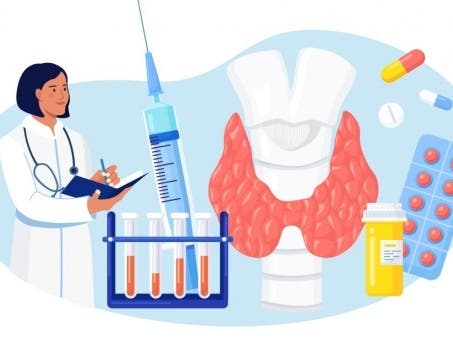
Endocrinology is the branch of medicine that focuses on the endocrine system — a complex network of glands that produce and regulate hormones. These hormones act as chemical messengers, controlling essential functions such as metabolism, growth, reproduction, mood, sleep, and energy levels. When the endocrine system functions properly, the body maintains balance. However, even minor hormonal imbalances can lead to significant health issues.
At leading institutions such as Liv Hospital, endocrinology departments provide advanced diagnostic tools and personalized treatment approaches to help patients restore hormonal balance and improve overall health outcomes.
What Is the Endocrine System?
The endocrine system consists of several glands, including:
Find out what's happening in Houstonfor free with the latest updates from Patch.
- Pituitary gland – Often called the “master gland,” it controls other endocrine glands.
- Thyroid gland – Regulates metabolism and energy production.
- Parathyroid glands – Manage calcium levels in the blood.
- Adrenal glands – Produce stress hormones such as cortisol and adrenaline.
- Pancreas – Controls blood sugar through insulin and glucagon.
- Ovaries and testes – Regulate reproductive hormones.
- Hypothalamus – Connects the nervous system to the endocrine system.
These glands release hormones directly into the bloodstream, allowing them to travel to organs and tissues throughout the body.
Common Endocrine Disorders
Hormonal imbalances can develop for many reasons, including genetics, autoimmune diseases, tumors, infections, lifestyle factors, or aging. Some of the most common endocrine disorders include:
Find out what's happening in Houstonfor free with the latest updates from Patch.
1. Diabetes Mellitus
One of the most prevalent endocrine disorders worldwide, diabetes occurs when the body cannot properly regulate blood sugar levels. Type 1 diabetes results from autoimmune destruction of insulin-producing cells, while Type 2 diabetes is often linked to insulin resistance.
2. Thyroid Disorders
Thyroid conditions are extremely common and include:
- Hypothyroidism – Underactive thyroid leading to fatigue, weight gain, and depression.
- Hyperthyroidism – Overactive thyroid causing weight loss, anxiety, and rapid heartbeat.
- Thyroid nodules and cancer
3. Polycystic Ovary Syndrome (PCOS)
A hormonal disorder affecting women of reproductive age, PCOS can cause irregular periods, infertility, weight gain, and metabolic complications.
4. Adrenal Disorders
Conditions such as Cushing’s syndrome (excess cortisol) and Addison’s disease (cortisol deficiency) can significantly impact metabolism and stress response.
5. Growth Hormone Disorders
Imbalances in growth hormone can cause gigantism, acromegaly, or growth deficiencies in children.
Symptoms of Hormonal Imbalance
Because hormones affect nearly every organ system, symptoms can vary widely. Common signs include:
- Unexplained weight gain or loss
- Fatigue and weakness
- Mood changes or depression
- Hair thinning or excessive hair growth
- Irregular menstrual cycles
- Sleep disturbances
- Changes in heart rate
- Infertility
If these symptoms persist, consulting an endocrinology specialist is essential for accurate diagnosis and treatment.
How Endocrinologists Diagnose Disorders
Endocrinologists are specially trained physicians who evaluate hormone-related conditions. Diagnostic tools may include:
- Comprehensive blood tests
- Hormone level assessments
- Imaging studies (ultrasound, MRI, CT scans)
- Stimulation or suppression tests
- Biopsy procedures (if necessary) Endocrinology department of Liv Hospital, advanced laboratory technologies and multidisciplinary care teams ensure precise diagnosis and evidence-based treatment strategies tailored to each patient’s needs.