Neighbor News
Snorkelling Tours and Snorkelling Holidays: How to Plan a Trip Worth Taking
Plan the perfect snorkelling tour or holiday with expert tips, destinations, and essentials for an unforgettable underwater adventure.
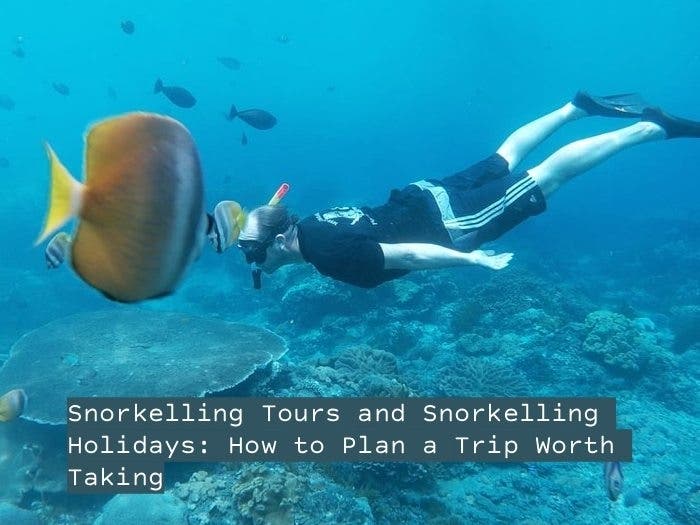
Planning a holiday around snorkelling used to mean cross-referencing dive forums, emailing operators directly, and hoping the conditions matched the brochure photos when you arrived. It's a more straightforward process now, but the decisions that determine whether a snorkelling holiday is genuinely memorable or just decent are still worth thinking through carefully.
This guide covers what separates a good snorkelling holiday from a great one, which destinations are worth prioritising depending on what you want to see, and how guided snorkelling tours fit into the broader trip.
What Makes a Snorkelling Holiday Different From a Beach Holiday With Snorkelling In It
There's a meaningful difference between a beach holiday where you occasionally stick your face in the water and a trip built around snorkelling as the primary activity. The planning is different, the destinations are different, and the experience is different.
Find out what's happening in Houstonfor free with the latest updates from Patch.
A proper snorkelling holiday tends to involve choosing a location based on marine life calendars rather than just weather, booking guided snorkelling tours with operators who know the local reefs and seasonal patterns, and spending a meaningful chunk of each day in the water rather than beside it.
That doesn't mean it needs to be an intense or expensive undertaking. Some of the best snorkelling in Europe is accessible, affordable, and within a few hours of the UK. But it does mean being intentional about where you go and who you go with.
Find out what's happening in Houstonfor free with the latest updates from Patch.
European Destinations That Reward the Effort
The Azores remain one of the most underrated snorkelling destinations in the Atlantic. The nine islands that make up Portugal's mid-Atlantic archipelago sit at the convergence of several ocean currents, which creates conditions for genuinely unusual marine encounters. Sperm whales are resident year-round. Manta rays pass through seasonally. Blue sharks are a regular presence in summer months. The water clarity is exceptional — visibility of 30 metres or more is common in the right conditions.
Several operators on São Miguel and Faial run dedicated snorkelling tours focused on pelagic species rather than reef exploration, which gives the experience a different quality to standard tropical snorkelling. You're in open water, often in blue with no bottom visible, and what appears tends to be large. It's a different kind of encounter to hovering over a shallow coral garden, and for many people considerably more memorable.
The Canary Islands are the practical choice for UK travellers wanting warm, clear water without a long-haul flight. Lanzarote's eastern coast has sheltered bays with volcanic reef systems that have been protected under marine reserve status since 1995. The Chinijo Archipelago Natural Park north of Lanzarote covers over 70,000 hectares of marine habitat and is one of the most biodiverse marine areas in Macaronesia. Several operators run day and multi-day snorkelling tours through the park from the small fishing village of Órzola.
Fuerteventura's south coast, around Morro Jable and Cofete, offers consistently calm conditions and clear water. The island sits close enough to the African coast that warm Saharan air keeps temperatures comfortable year-round — water temperatures rarely drop below 19°C even in winter.
Croatia deserves a longer mention than it typically gets in snorkelling conversations. The Adriatic is exceptionally clear — average visibility of 20-25 metres in peak season — and the protected national parks have allowed marine ecosystems to recover noticeably from the fishing pressure that degraded much of the Mediterranean coastline during the latter half of the twentieth century.
The Kornati National Park, an archipelago of 89 mostly uninhabited islands off the Dalmatian coast, has restricted fishing since 1980. The result is marine life that behaves with considerably less wariness than in heavily fished areas — grouper, sea bream, and octopus are common sightings at depths accessible to snorkellers. Several operators run boat-based snorkelling tours through the park from Šibenik and Zadar. Mljet National Park, further south near Dubrovnik, is similarly impressive and less visited.
Long-Haul Destinations for Serious Snorkellers
For those willing to travel further, a handful of destinations sit in a different category entirely.
The Maldives are the obvious choice, and the reputation is deserved. The atolls offer warm, clear water year-round, and the marine life — reef sharks, manta rays, whale sharks, turtles, and dense coral gardens — is genuinely extraordinary. The challenge with the Maldives is choosing the right atoll and the right operator. The most heavily visited resort islands can have degraded house reefs from boat traffic and anchor damage. The best experiences tend to come from liveaboard trips that move between snorkelling sites, or from staying at smaller guesthouses on local islands in less-visited atolls.
Indonesia's Raja Ampat is frequently cited as the most biodiverse marine environment on the planet. The region sits within the Coral Triangle — the global centre of marine biodiversity — and the species count per unit area is unmatched anywhere else. It requires more effort to reach than the Maldives, and the infrastructure is less polished, but for anyone serious about snorkelling it's a destination worth planning around. The best time to visit is between October and April when visibility is highest and whale sharks are regularly sighted around Dampier Strait.
Mexico's Yucatán Peninsula offers something genuinely different — the cenotes. These freshwater sinkholes, connected to vast underground river systems that run beneath the Yucatán limestone, offer snorkelling in crystal clear freshwater through cave and cavern systems. The visibility is surreal — often 50 metres or more — and the geological formations are unlike anything in open water. Several operators near Tulum and Playa del Carmen run guided cenote snorkelling tours, and it's worth choosing one that focuses on lesser-visited cenotes rather than the most photographed sites.
How to Choose a Snorkelling Tour Operator
The quality of a guided snorkelling tour depends heavily on the operator, and a few things are worth checking before booking.
Guide-to-guest ratio matters. Six to eight guests per guide is reasonable; anything larger than ten becomes difficult to manage safely in open water and reduces the quality of the experience for everyone.
Local knowledge is hard to replicate. Operators who have been working the same stretch of coastline for years know where species aggregate, how conditions change through the season, and how to read the water in ways that a visiting guide simply can't. Reviews that specifically mention marine life encounters are a better indicator than general positive feedback.
Responsible wildlife guidelines are non-negotiable on a well-run tour. Any operator that encourages guests to touch, chase, or feed marine life is worth avoiding regardless of what else they offer.
adventuro lists snorkelling tours and snorkelling holidays across the UK and internationally, with operators ranging from single-day coastal sessions to multi-day trips built around specific destinations and marine life calendars.