Seasonal & Holidays
‘Easter Orphans’: Why Bunnies, Chicks And Ducklings Make Terrible Gifts
These Easter "gifts" are often abandoned, and they don't know how to survive on their own because their mothers never got to teach them.


You know what those cute little bunnies, chicks and ducklings given as Easter gifts will be called in a few weeks, don’t you?
“Easter orphans.”
Driven by impulse and whimsy, sales of baby rabbits, chickens and ducks spike significantly around Easter. Their cuteness wears off quickly. They’re messy. And chickens in particular can make children sick enough to require hospitalization.
Find out what's happening in Across Americafor free with the latest updates from Patch.
Animal welfare workers say it’s impossible to calculate exactly how many of these species are surrendered or abandoned, the latter the equivalent of a death sentence for animals that become dependent on humans before their mothers could teach them to forage and survive predators.
John Van Zante, of the Rancho Coastal Humane Society, a nonprofit animal shelter in Encinitas, California, told City News Service last year that he thought people had finally figured out that baby animals make terrible Easter gifts.
Find out what's happening in Across Americafor free with the latest updates from Patch.
“I thought this problem had gone away, until some of my neighbors had small children, and they started buying them new bunnies every Easter. Three to four weeks later, they would end up in my yard (or as dinner for the coyotes in the area),” Van Zante said.
“I also thought the days of people giving baby chicks were over,” he said. “Again, nope.”
No One Wants A Depressed Bunny
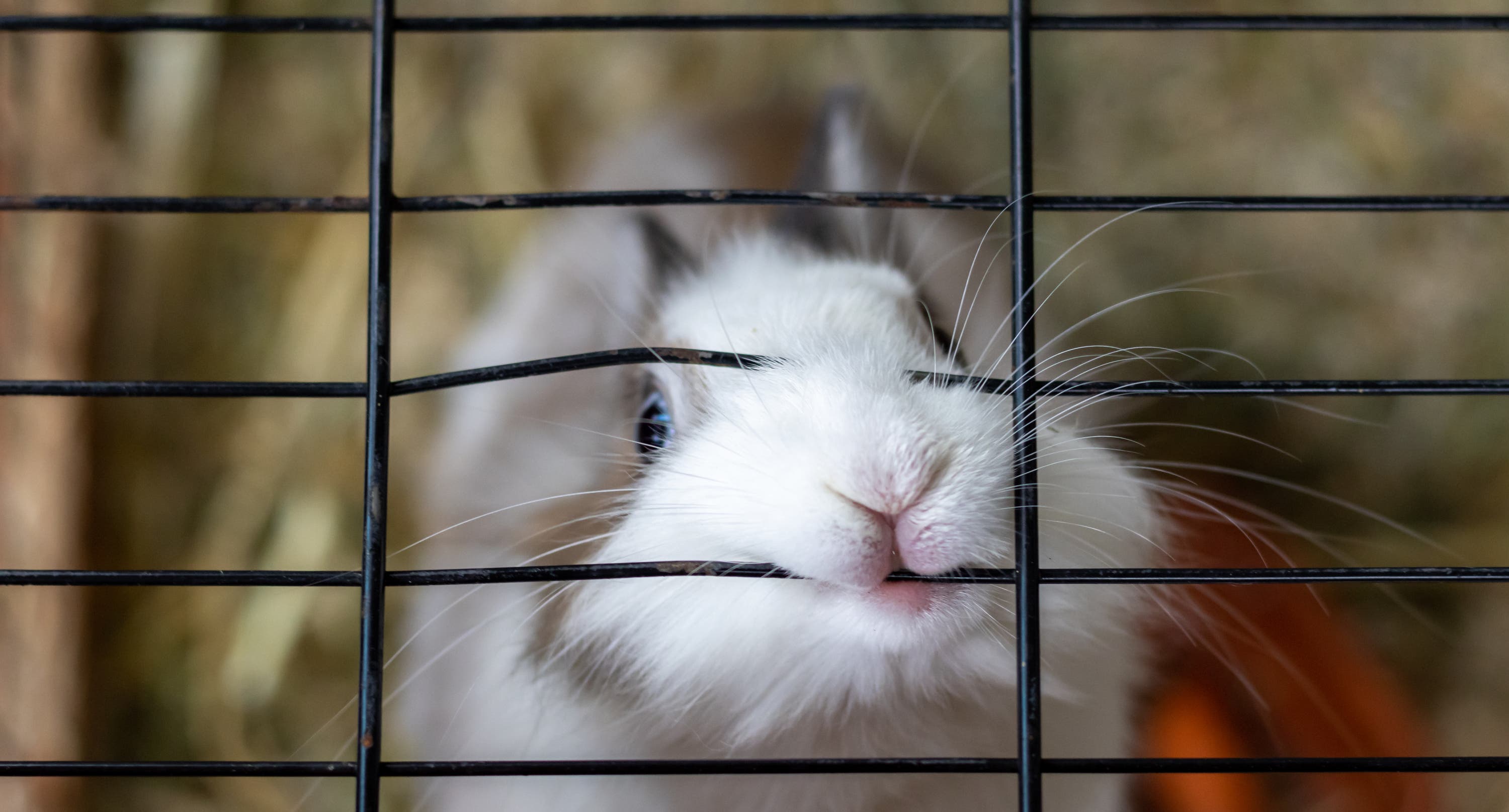
Van Zante tried unsuccessfully to convince his neighbors to buy stuffed rabbits for their kids. “They promised to take care of them,” he said. “And if they decided they didn’t want them anymore, they would be safe if they let them loose because rabbits are wildlife. They’ll be okay.’”
No, they won’t.
Behind cats and dogs, rabbits are the third most popular pet in the country — and the third most abandoned, according to the House Rabbit Society, the largest rabbit rescue organization in the country with shelters and resources in every U.S. state.
There are several reasons rabbits are abandoned.
They’re a lot of work. They require near-constant mental stimulation and open space to run around in, and they tend to become depressed if left alone in a cage for too long.
Rabbits chew incessantly, and their teeth never stop growing. They require a specific diet — something pop culture gets wrong. What rabbits really want is an unlimited supply of fresh grass hay, and lettuce isn’t a good substitute. And while they enjoy a good carrot once in a while, it should be an occasional treat, like “rabbit candy.”
Rabbits can be trouble, too. A post on the Bunny Nose Rub Facebook page shows a photo of a rabbit that has chewed the stuffing out of a couch.
“I have had them all my life, and they bite, scratch, and poop all day and night, so if you’re not willing to be scratched or bitten or pick up poop all the time, don’t get one, and please, please don’t get one if you’re going to keep them in a cage,” one person said.
“They were never meant to be in cages,” the person continued. “If you can’t let them free roam, then it’s really not for you because you will have bunnies that are sad, won’t binky and will always be scared.”
A binky, which anyone considering a rabbit should understand, is a seemingly joyful, sudden leap, twist, or spin in the air, often accompanied by “zoomies.”
Some people assume sad or destructive bunnies are just bad bunnies and get rid of them.
Rabbits can be good pets for people who are willing to put in the work, according to animal welfare and rabbit rescue organizations.
They’re affectionate, playful and quiet. It is well-documented that just watching a cute animal like a bunny reduces the stress-creating hormone cortisol and increases serotonin, the happy molecule.
And bunnies are “crepuscular,” meaning they’re most active in the twilight of mornings and evenings, which means they’ll be ready to play when the family gets home from work or school.
The Disease Threat Is Real
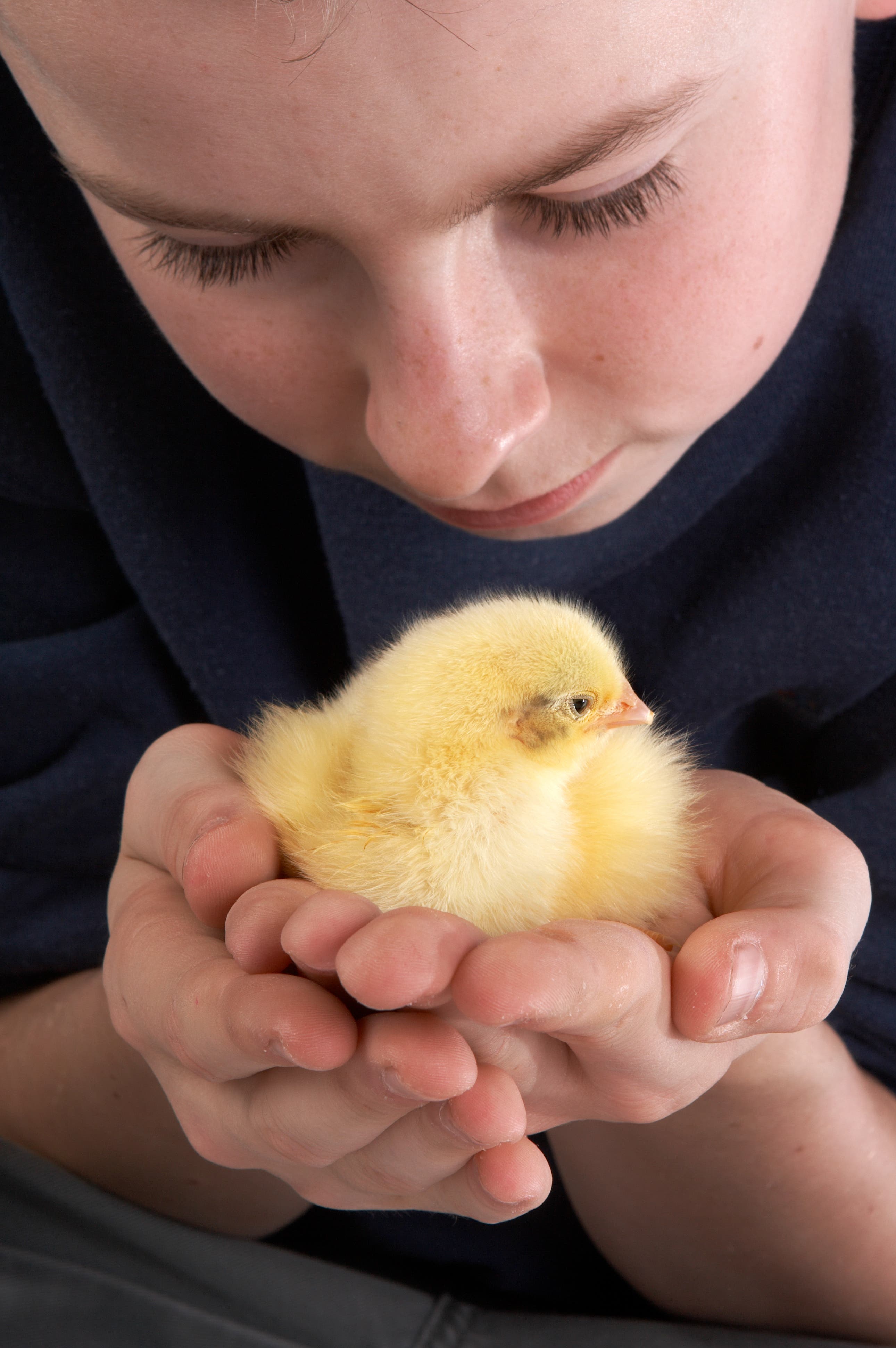
In addition to it often not working out well for chicks and ducklings, the Centers for Disease Control and Prevention, veterinarians, and state health departments warn that baby birds frequently carry salmonella bacteria, which can cause serious illness in children.
At least 109 people were sickened with salmonella illnesses after handling backyard chickens, and 33 of them required hospitalization in 2024, the last year the CDC published surveillance data on the topic. The agency said 43 percent of infections were in children under 5.
Backyard poultry can carry salmonella germs even if they look healthy and clean, and the germs can easily spread to anything in the areas where the poultry live and roam. The agency cautions, “You can get sick from touching your backyard poultry or anything in their environment and then touching your mouth or food and swallowing Salmonella.”
Although it is rare for bird flu to jump to humans, it can happen, usually through close, prolonged contact with infected birds or other livestock.
When Leaving Terrifies The Duck
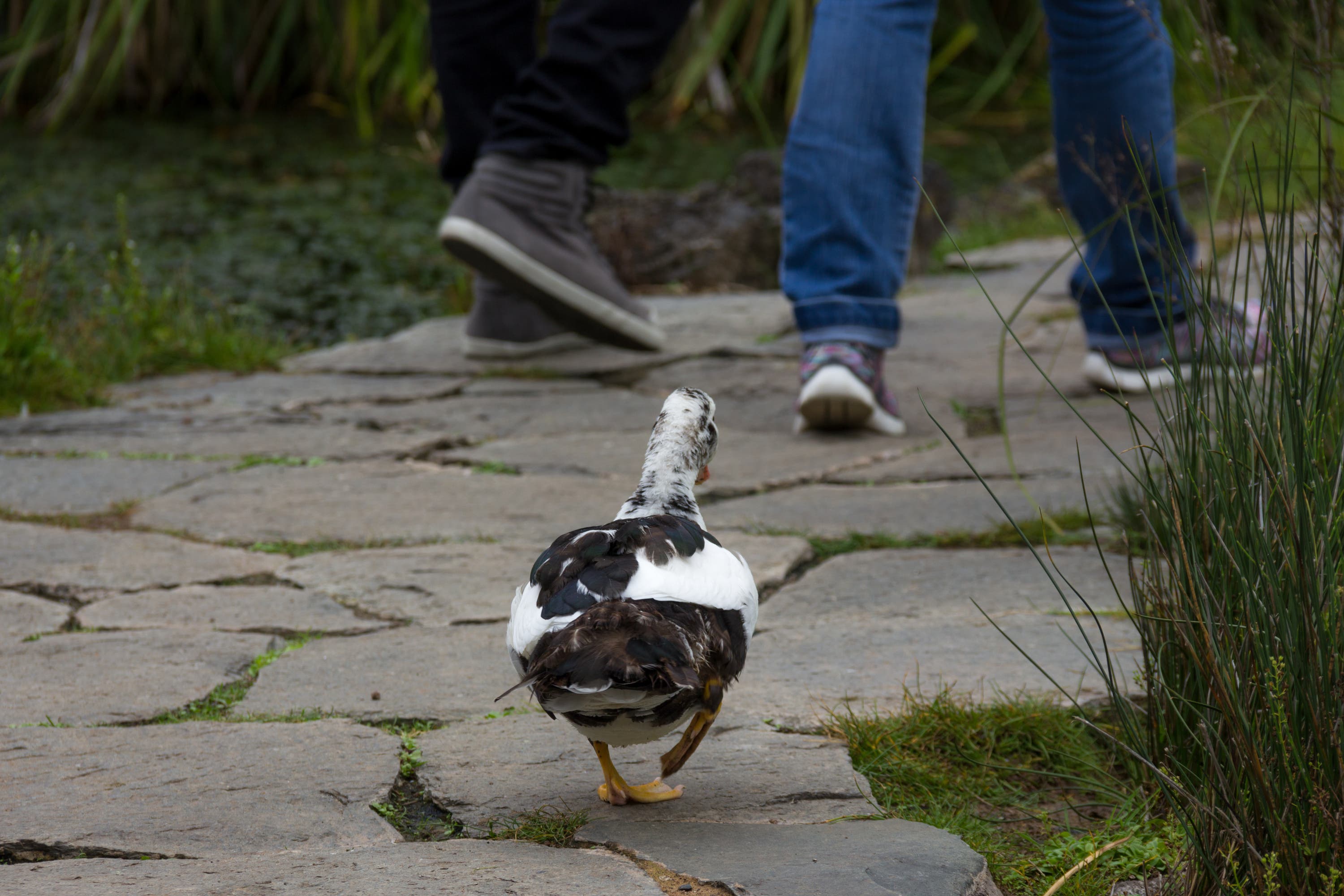
Even if there were no health risk, the cuteness wears off chicks and ducklings quickly.
“Chickens can be noisy and fragrant. If you get a chick who ends up being a rooster, it won’t take long for your neighbors to not like you,” said the Rancho Coastal Humane Society’s Van Zante.
“They’re cute when they’re little ‘peepers.’ But when the fuzz falls out and the feathers begin to grow in, they’re very unattractive. By then, the kids are tired of feeding and cleaning.” he said.
Baby chicks also need their mothers. They rely on them for warmth and safety, and to learn basic survival skills like how to eat and drink. If given the chance, hens would remain with their chicks for up to eight weeks.
Ducklings can live for a dozen years. They have fast metabolisms and eliminate waste every 10 or 15 minutes.
Obviously, they can’t be kept indoors. And keeping them outdoors requires an enclosure impervious to predators, such as raccoons, foxes, coyotes, hawks, owls, and dogs.
Also, ducklings can imprint on humans — that is, they form a rapid, irreversible bond during the critical early development phase — and once they do, they cannot be left alone.
“Even if you leave them for 30 seconds, they’re terrified,” John Di Leonardo, an anthropologist and president of the animal-advocacy group Humane Long Island, told National Geographic.
Ducks can be sweet and curious companions for people who are willing to make the commitment and have space enough for their proper care. Their eggs are bigger than a chicken’s, and they lay more over their lifetime than a hen.
But these once-cute ducklings are often abandoned in public parks with water, where they’re doomed. Taken from their mothers before she had a chance to teach them vital survival skills such as how to remain safe from predators, how to get in and out of water, and how to forage. Many will quickly starve to death or become ill.
They don’t fly or migrate like wild ducks. Some may survive until winter, but “we often find them frozen to the water — literally sitting ducks for their predators,” Di Leonardo told National Geographic.
Among other reasons not to give bunnies, chicks, ducklings and other animals as gifts is that it sends the wrong message to kids, according to PETA senior vice president Colleen O’Brien
“It teaches kids the dangerous lesson that these thinking, feeling individuals are toys that can be tossed aside when the children tire of them,” O’Brien told City News Service.
Also On Patch
Get more local news delivered straight to your inbox. Sign up for free Patch newsletters and alerts.