Community Corner
Here's How You Can Fly To The Moon And Back In NASA's Artemis II Mission
The Artemis II mission will take the Orion spacecraft, named Integrity by its four-member crew, will fly around the moon and back.


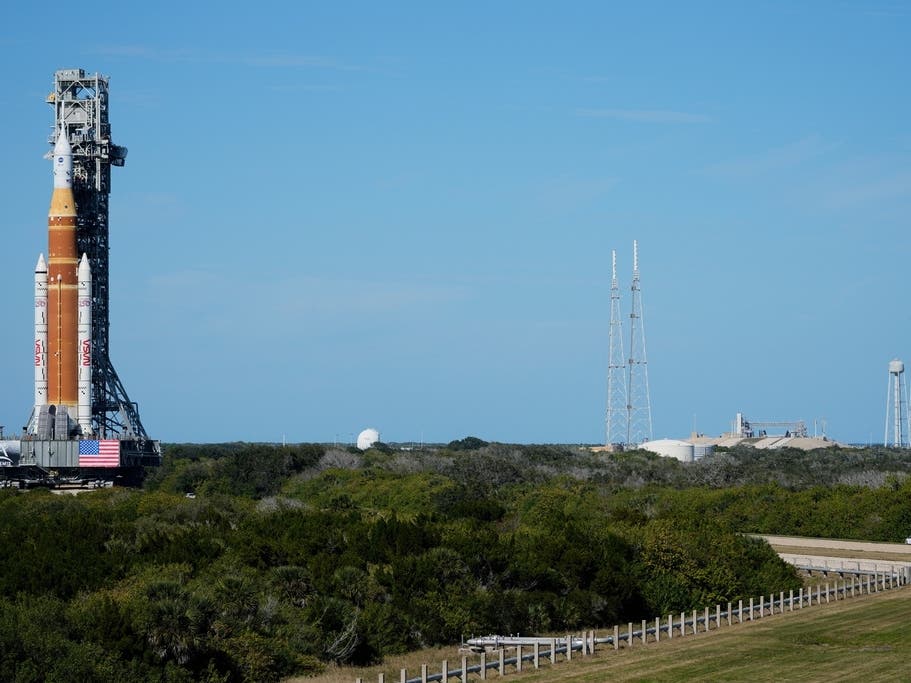
NASA has found a way to send people from around the world along on a historic 10-day mission to the moon and back as part of the upcoming Artemis II mission.
As (inter)stellar as it would be, this isn’t a lottery to allow one lucky individual to join the crew of the Orion spacecraft Integrity on its voyage deeper into space than any manned spacecraft in history.
But your name can circle the moon and become part of history. And this is history in the making, according to NASA, which says the mission is part of a grander plan to eventually land American astronauts on Mars.
Find out what's happening in Across Americafor free with the latest updates from Patch.
It’s free and easy to submit names to NASA. They’ll be stored on a small SD card aboard the Orion spacecraft for the critical test flight, which will take place at a date to be determined, but before April.
You’ll get a commemorative “boarding pass” to prove you were part of the historic mission that NASA says is a step toward a sustained presence on the moon that will help the agency prepare to send American astronauts to Mars.
Find out what's happening in Across Americafor free with the latest updates from Patch.
The printable keepsake features essential mission details, including the mission patch, destination and information from the Kennedy Space Center launch site. Participants can track Orion as it makes its 685,000-mile loop around the moon and back — as long as they remember the PIN created at the time names were submitted.
The four astronauts on board — NASA’s Reid Wiseman, Victor Glover and Christina Koch, along with Canadian Space Agency astronaut Jeremy Hanson — won’t land on the moon. During their fly-by, they will test the Orion spacecraft’s life support, communication and navigation systems, as well as its ability to keep them safe, in preparation for future lunar landings.
Payloads aboard Artemis II will gather data on space radiation, human health and behavior, and space communications to inform future exploration.
Artemis II Looks Toward Mars
American astronauts haven’t been to the moon since 1972. The old Apollo program sent 24 astronauts to the moon in nine missions between December 1968 and December 1972. Twelve astronauts have walked the lunar surface, including Neil Armstrong and Buzz Aldrin, the first to walk on the lunar surface in the Apollo 11 mission.
“That’s one small step for man, one giant leap for mankind,” Armstrong said at the time.
As NASA transitions from the quick lunar landings of the Apollo era to the Artemis program, the leap is for a long-term, sustainable presence on the moon in preparation for the much harder, longer journey to Mars.
The new Artemis II moon rocket was put in place Saturday, Jan. 17, at Kennedy Space Center in Cape Canaveral, Florida. The launch is expected to take place sometime before April, NASA said.
Orion’s service module will perform the translunar injection burn to escape Earth orbit and set a four-day course for the moon. The figure-eight trajectory will take the crew around the far side of the moon, extending over 230,000 miles from Earth, and approximately 4,600 miles beyond the moon at maximum distance.
Orion will undergo high-speed reentry through Earth’s atmosphere before safely splashing down in the Pacific Ocean off the coast of San Diego, where a NASA and Department of Defense recovery team will retrieve the crew and spacecraft.
Get more local news delivered straight to your inbox. Sign up for free Patch newsletters and alerts.