Health & Fitness
Youth Suicidal Behavior Rises, Especially Among Girls: Study
The number of young people seeking treatment for suicidal thoughts or actions has more than doubled since 2008.



The number of young people seeking hospital treatment for suicidal thoughts or attempts has more than doubled since 2008, according to a troubling new study published Wednesday in the journal Pediatrics. Girls, especially, are considering taking their lives and made up two-thirds of visits to U.S. children’s hospitals, according to the study that noted anxiety and depression are taking a toll on America’s youth.
The Vanderbilt University-led study, “Hospitalizations for Suicide Ideation and Attempt,” looked at emergency room and inpatient admissions for children ages 5-17 at U.S. children’s hospitals from 2008 to 2015. Dr. Greg Plemmons, the lead author of the study, said the findings bring attention to “woefully scarce” mental health resources for children across the United States.
"The growing impact of mental health issues in pediatrics on hospitals and clinics can longer be ignored," said Plemmons, an associate professor of Clinical Pediatrics at Vanderbilt’s Monroe Carell Jr. Children’s Hospital.
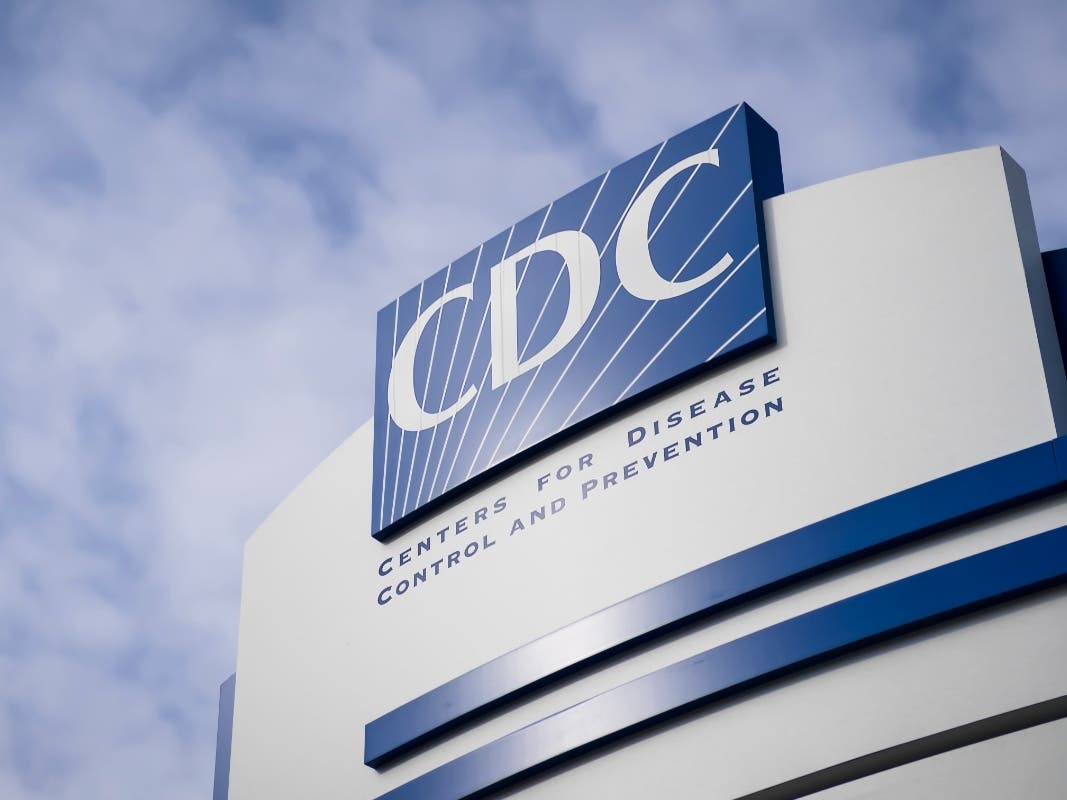
The peer-reviewed study builds on previously published research from the federal Centers for Disease Control and Prevention found suicide to be the second-leading cause of death among 10- to 24-year-olds in 2016, behind automobile accidents. That’s up from 2015, when suicide was the third-leading cause of death among adolescents.
Find out what's happening in Across Americafor free with the latest updates from Patch.
“It’s such a critical public-health crisis right now,” Lisa Horowitz, a staff scientist and pediatric psychologist at the National Institute of Mental Health, told the Wall Street Journal. The NIH is working to improve suicide screening at emergency rooms and pediatrician offices.
The researchers found increases in suicidal thoughts or actions across all age groups, but said more than half of them involved teens ages 15-17. Another 37 percent were children ages 12-14, and 12.8 percent were children ages 5-11.
Find out what's happening in Across Americafor free with the latest updates from Patch.
More than half of those suicide-related hospital visits resulted in inpatient treatment, 13 percent of them in intensive-care units.
Researchers aren’t sure what is driving the increase in suicidal thoughts and actions, but Plemmons told HealthDay that the dramatic rise among among 15- to 17-year-olds may be explained by puberty, which is seen as a risk factor for suicide. Also, he said, a "lack of access, and cultural stigmatization in seeking care for mental health issues may play a role" in differing vulnerabilities by race, he noted.
Some other research, including a CDC study published last fall, has suggested that adolescents’ easy access to smartphones and social media and an increase in cyberbullying may cause more kids to consider taking their lives.
The CDC study found that adolescents who spent more time on social media and their smartphones were more likely to report mental health issues, and adolescents who spent more time on non-screen activities were less likely.
Related: ‘Bullied To Death’: When Words Kill
The Vanderbilt researchers noted some seasonal variation, with peaks in hospital visits in the fall and spring, suggesting that young people may face increased stress and mental health challenges when school is in session, Plemmons said. Rates were lowest in the summer, which historically has seen the highest number of hospital visits by adults.
“To our knowledge, this is one of only a few studies to report higher rates of hospitalization for suicide during the academic school year," Plemmons said.
Using data from the Pediatric Health Information System, the researchers used billing codes to identify emergency department encounters, observation stays and inpatient hospitalizations tied to suicidal thoughts and attempts, then looked at that information on a month-by-month basis to discern seasonal trends.
The study had some limitations, and didn’t include suicidal thoughts or actions that didn’t result in hospitalization. Plemmons said it is hard to tell whether suicidal thoughts or actions are increasing — or if adolescents are seeking treatment more often.
“We still know from other studies out there that less than half of young people with mental disorders seek treatment, and only a minority of teens with depression actually seek care,” he told HealthDay. “In fact, the American Academy of Pediatrics issued guidelines this past February to encourage primary care doctors to begin depression screening.”
The researchers said more study is needed on the gender differences noted in the study. A previous study found greater increases in depression in teenage girls compared with boys over the decade up to 2014.
Plemmons became interested in the topic after seeing a spike in psychiatric admissions after suicidal behavior.
“What I’m noticing is kids seem to be less resilient and to have more pressure,” he told the Wall Street Journal. “I think social media also fuels this Instagram life of everything is perfect and cool and you don’t see the other side of life.”
Photo via Shutterstock / Rob Hainer
Get more local news delivered straight to your inbox. Sign up for free Patch newsletters and alerts.