Plainfield|Neighbor News|
Lambert: The Slippery Slope of Quality Hill – Part 2
Was the home at Lockport Street and Eastern Avenue part of the Underground Railroad movement?

Was the home at Lockport Street and Eastern Avenue part of the Underground Railroad movement?
The story behind a home at Lockport Street and Eastern Avenue is a long and complicated one. But was it ever part of the Underground Railroad?

A look at the history of Plainfield's gas stations and the people who owned them.

Joliet architects were behind many of Plainfield's earliest homes and buildings.

The Sonntag family left its mark on Plainfield — and on Hollywood.

The building that last housed Christ Lutheran Academy originally had been designed for radio broadcasts and later became a rural apartment complex.
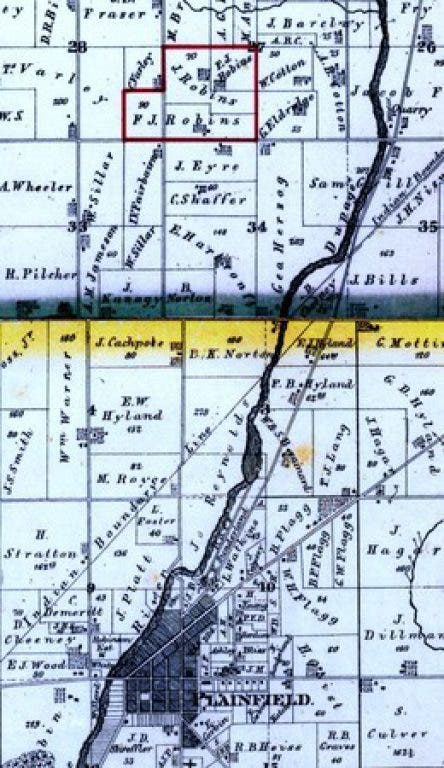
As developers get ready to break ground on a new 340-unit apartment complex, we explore why the building on 127th Street, east of Route 59, is significant.

Yes, there were huge Klan rallies here in the 1920s, but -- with KKK chapters across the country -- such events were held in small towns all over the Midwest.

In Plainfield, the place to stay was Spangler's Camping Cottages, one of which still remains today.
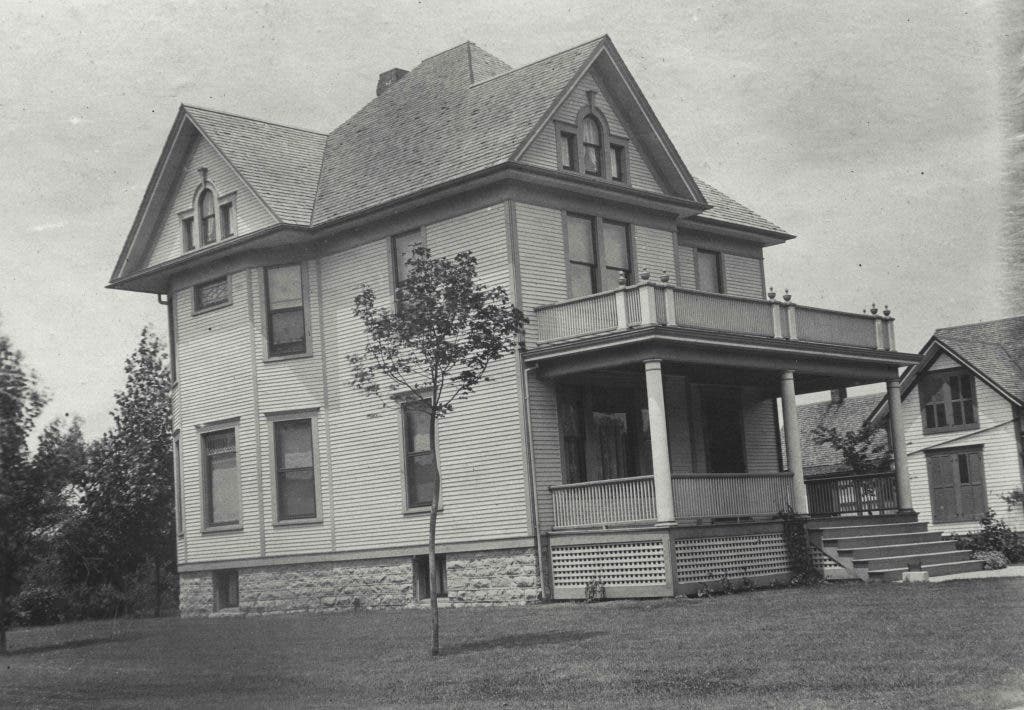
Drivers get hungry making that cross-country road trip from New York to California, and Plainfield entrepreneurs cashed in.
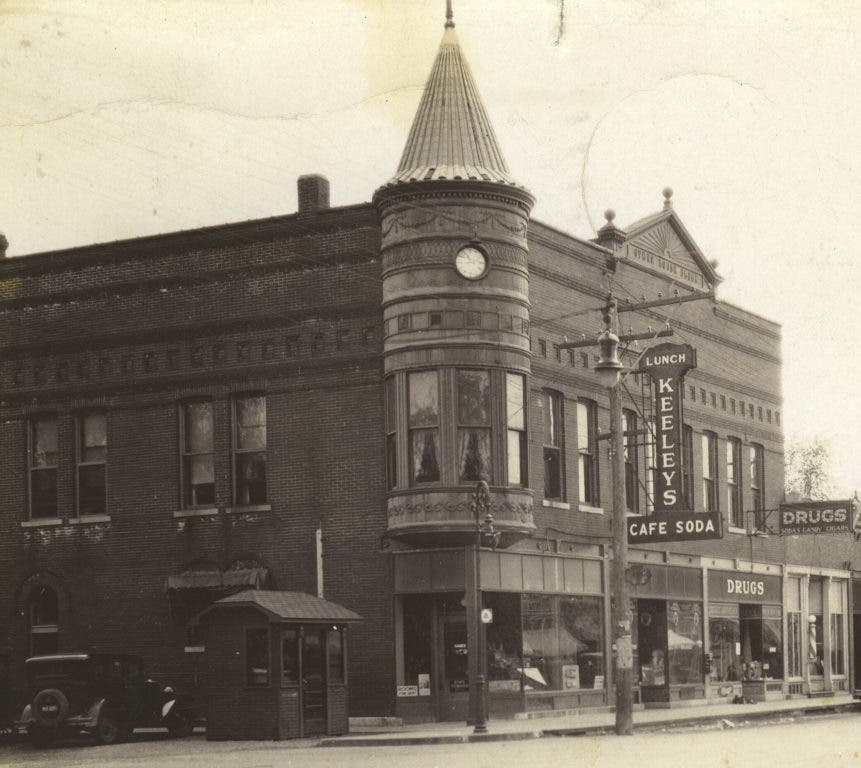
John and Mabel Powell opened their restaurant-saloon-gas station on Lincoln Highway in 1925.

As Americans fell in love with the automobile and took to the open road, Plainfield entrepreneurs responded; by 1920, there were 11 gas "dispensaries" in town.

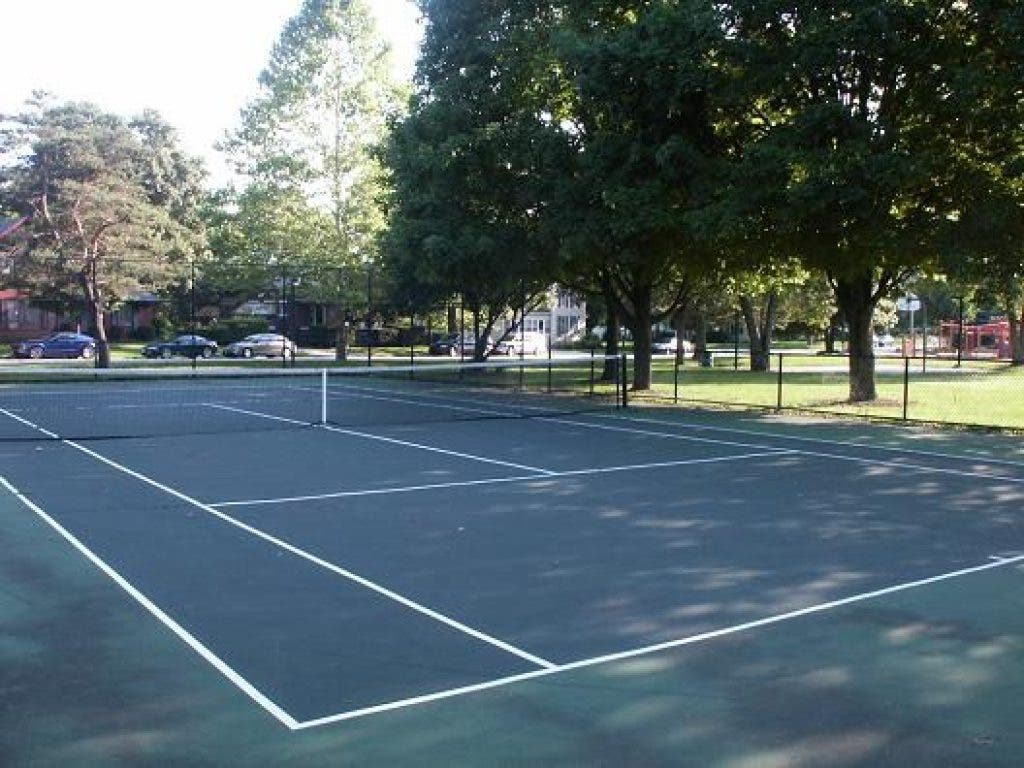
The most recent changes, completed in 2011, include a children's splash pad, rain garden, refinished basketball and tennis courts, and a completely new restroom building.
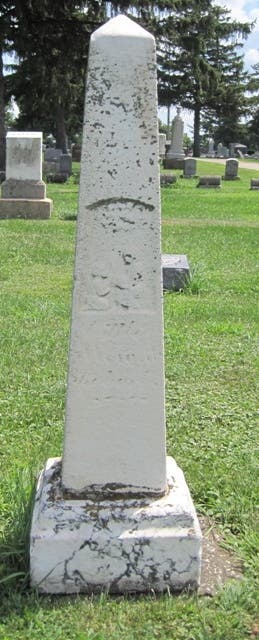
The local post of the Grand Army of the Republic bore the name of Capt. John A. Burrell, who died fighting in Georgia.
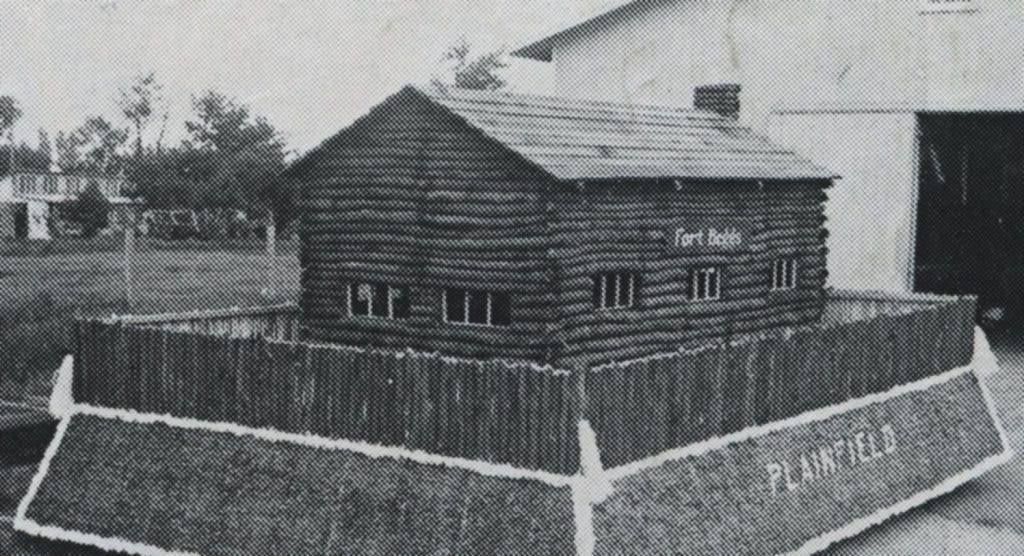
After falling out favor during the Electric Park years, the downtown park found new life over and over again during the 20th century.
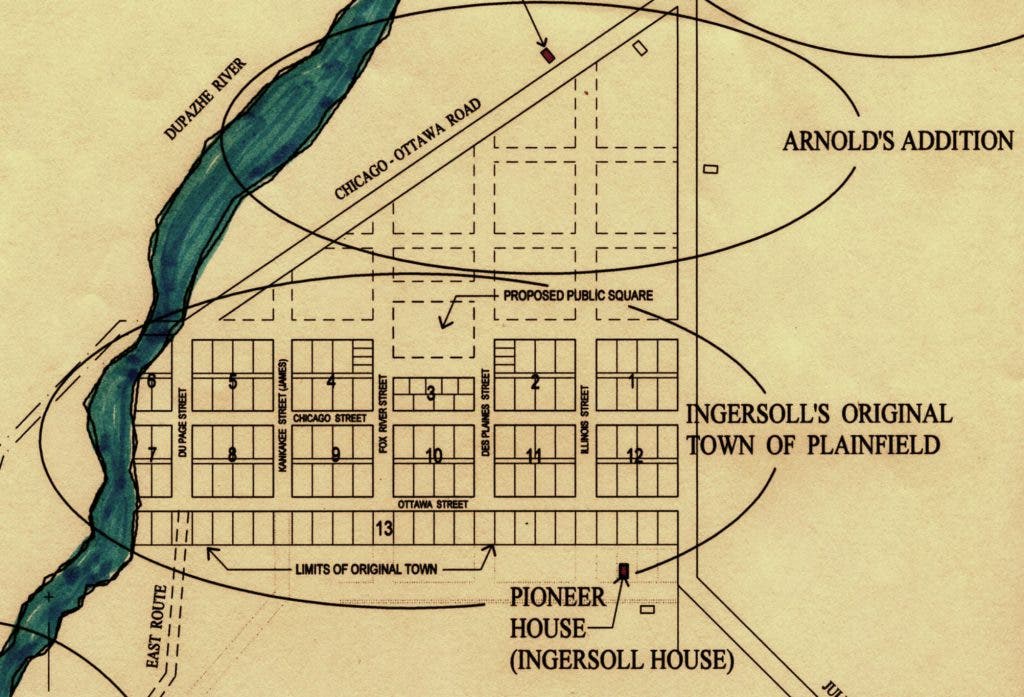
The land bordered by Des Plaines, Ottawa, Fox River and Chicago streets was donated as a "public commons" by Chester Ingersoll.
The first band of folks to settle Walkers' Grove had to be made of hearty stuff to endure the hard work and occasionally harsh climate.
Both men owned large tracts of the section of Plainfield once known as Walkers' Grove, but historical records are long gone.

If you want to know where the village's first homesteads were built, head to the area near River and Renwick roads.

One helped rescue thousands via the Underground Railroad, the other was called the "pioneer" of Plainfield's anti-slavery movement.