Draper, UT|Local Classified|Announcement|

Collision Repair in Draper, UT, Addresses Rising Hidden Vehicle Damage Cases
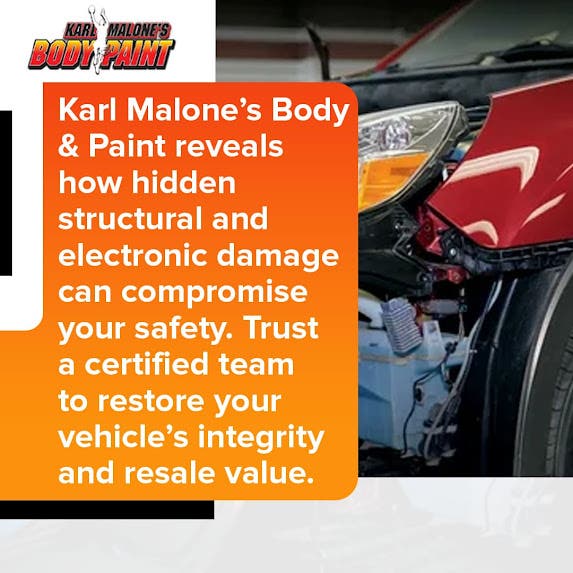
What Certified Collision Repair Addresses That Standard Repairs May Miss
Structural Damage Below the Surface
Following a collision, damage that affects safety is often internal. Issues such as frame distortion, weakened weld points, and compromised impact zones may not present immediate visual signs but can reduce a vehicle’s ability to protect occupants in future incidents.
Industry research from the Insurance Institute for Highway Safety indicates that replacement structural components must match original specifications to maintain crashworthiness. Repairs that do not meet these standards may leave critical safety systems compromised.
Advanced Driver Assistance Systems Require Precise Calibration
Modern vehicles rely on Advanced Driver Assistance Systems (ADAS), including automatic emergency braking, lane-keeping assistance, and blind-spot monitoring. These systems depend on precise sensor alignment.
Even minor collisions can disrupt calibration. Without proper post-repair scanning and recalibration, these systems may function inaccurately despite appearing operational.
Certified auto collision repair facilities conduct pre-repair and post-repair diagnostic scanning as part of their repair process to verify system performance after structural or panel work.
Post-Repair Safety Inspections Are Becoming Standard Practice
In addition to completing repairs, more vehicle owners are seeking confirmation that their vehicles have undergone final safety verification before return.
Post-repair evaluations can include electronic diagnostics, alignment verification, and structural validation to ensure all systems function within manufacturer specifications. As vehicle technology advances, this step is becoming an increasingly important factor in repair quality.
Why Repair Documentation Is Becoming More Important
Beyond completing the repair itself, documentation is becoming a critical part of the collision repair process. Certified facilities typically follow manufacturer repair procedures that generate verifiable records, including scan reports, calibration results, and parts usage.
These records can play a role in:
- Insurance claim validation
- Vehicle resale transparency
- Accurate service and repair history
- Future diagnostics and maintenance decisions
In some cases, incomplete or undocumented repairs may create challenges for vehicle owners when selling or trading in their vehicle. As more buyers and insurers emphasize repair history, documentation is emerging as an additional factor that distinguishes certified repair processes from standard repair approaches.
Industry Perspective on Certified Collision Repair
“Hidden damage is one of the most overlooked risks after a collision,” said Russ Beck, Operations Manager at Karl Malone's Body & Paint. “Without proper structural and electronic diagnostics, a vehicle may be returned to the road without meeting manufacturer safety standards. We’re seeing more drivers recognize the importance of certified repair processes.”
The Broader Impact on Vehicle Safety and Value
Collision repairs performed according to manufacturer standards help preserve vehicle resale value, accurate service records, and long-term safety performance. As vehicles integrate more advanced safety technologies, the margin for error in collision repair continues to narrow.
Access to certified repair facilities provides vehicle owners with a verifiable standard of repair, rather than relying solely on visual outcomes or non-documented processes.