Arts & Entertainment
Aiding the Children of Imprisoned Parents
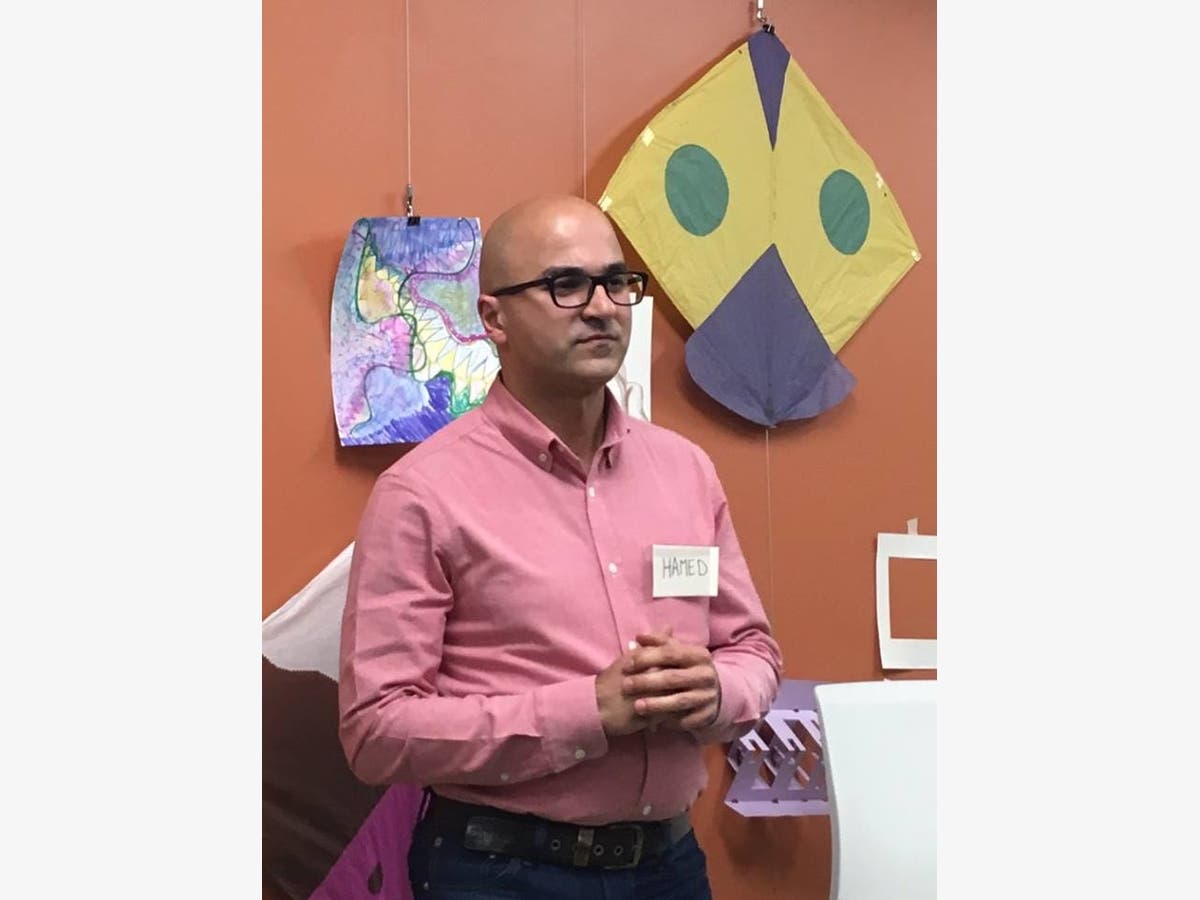
Hamed Farmand of Arlington leads counseling, treatment and arts events for children whose parents have been jailed.
By Tionge Johnson
Hamed Farmand knows what it is like to be the child of an incarcerated parent. “My mom was in prison when I was only 6 due to political unrest in Iran,” he said. “Though she came back five years later, I was faced with Post Traumatic Stress Disorder (PTSD) as a result. As I watched other boys and girls suffer with the same trauma. I felt alone at the time, so I didn’t want them to feel the same.’”
When Farmand moved to the United States from Iran in 2010, he put his passion to helping children with jailed or formerly jailed parents into motion.
Find out what's happening in Arlingtonfor free with the latest updates from Patch.
Within a few years, Farmand used the research and guidance he had from peers and academic courses to start the Children of Incarcerated Parents Program, based in Arlington.
“My basic goal was to help these children feel like they were free from the negative consequences of parents in incarceration,” said Farmand. “My biggest strategy was to provide parenting courses…in the form of a support group through the help of facilitators and social workers to help these parents find a solution.”
Find out what's happening in Arlingtonfor free with the latest updates from Patch.
Farmand says, “I’ve found a kind of empathy gap between these families, communities and society. When I mentored at a summer camp run by the United Methodist Church in the Shenandoah Valley, I saw firsthand the positive effects community support does for these families and their children. The children were viewed less as a statistic but as human beings. Even if we provide the best solution for them, if we don’t have community support, then there is still a sense of us versus them. For me, it’s important to focus on advocacy so I engage community members to understand these individuals and their needs.”
One recent source of community support was Opera NOVA, the arts organization formed in 1992 to bring music to underserved communities, such as children and seniors. Children from Farmand’s group were brought to see an abbreviated version of the opera “La Cenerentola (Cinderella.)” at Gunston Middle School.
He was particularly impressed with the artistic director of Opera NOVA José Sacin’s ability to engage with audiences. Sacin opened the performance with an introduction of what opera is and how it is performed, which Farmand felt benefited him and the children.
“I really enjoyed the kind of activist storytelling José did at the beginning of the opera,” said Farmand. “I’ve never experienced something so interactive like that, where someone introduces me to not only the artists but the tool (referring to instruments used in the opera and opera terminology).
“Opera NOVA has given me an opportunity to share my experience and the experience of other children with incarcerated parents with the community,” he says. “The success of the program is about creating empathy towards these children and their families. “
More details on the program can be found at https://coipi.org