Community Corner
How to Prepare Your Car for a Snowstorm
Tips from AAA Mid-Atlantic to prep your car, ahead of snowstorm predicted to hit DC-metro area this weekend.

Forecasters say the metro DC area could get walloped with snow this weekend, with snow starting sometime Friday, and possibly falling until Sunday morning. If you get stuck driving home from the office or picking up your kids at school, will you and your car be prepared?
Here are some tips from AAA Mid-Atlantic on what you can do now to get ready:
Car Battery
Find out what's happening in Arlingtonfor free with the latest updates from Patch.
It may be cold enough for your battery to call it quits. AAA Mid-Atlantic has received close to 34,000 battery calls so far this year. AAA has more than 25 Car Care, Insurance and Travel Centers open in the Mid-Atlantic territory that offer free battery checks or check with your local service station to see if they offer the service. Do you know what items should be in your car for that high-impact snowstorm lurking ahead?
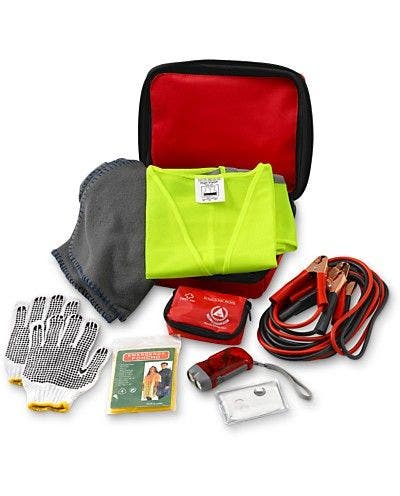
Assemble an emergency kit before you need it:
Find out what's happening in Arlingtonfor free with the latest updates from Patch.
- Emergency kit items to include – deicer, shovel, ice scraper, sand or kitty litter (for traction).
- Pack a blanket, extra gloves and hat, heavy coat – if you’re stuck on the road for an extended period of time you’ll need to stay warm, especially if your vehicle is not running.
- Pack snacks, beverages, etc. – have them packed by the door to take in the morning (so they don’t freeze in the car overnight).
- Charge your cell phone – have a backup power source for the car in case you’re stuck for a while.
- Make sure your windshield wipers and lights (headlights, taillights, and turn signals) are working properly – make sure you can see and can be seen.
- Keep a FULL tank of gas.
Brush up on your winter driving skills:
- Wait for the roads to be plowed and treated before venturing out – road surface condition is the single most important safety factor during a winter weather event.
- Thoroughly clean off your car – remove ALL snow and ice before driving anywhere.
- Warm the car up OUTSIDE the garage (police say not to leave your car running unattended).
- Drive SLOWLY.
- Increase following distances.
- Accelerate and brake slowly – it takes longer to slow down on snowy, icy roads.
- Do not use cruise control and avoid tailgating - normal following distances of three to four seconds for dry pavement should be increased to eight to 10 seconds when driving on icy, slippery surfaces.
- Regardless of whether the vehicle has front-, rear- or four-wheel drive, the best way to regain control if the front wheels skid is:
- Continue to look where you want to go.
- Steer in the direction you want the front of the vehicle to go.
- Avoid slamming on the brakes. Although hitting the brakes is a typical response, slamming the brakes will only further upset the vehicle’s balance and make it harder to regain control.
- Wait for the front wheels to grip the road again. As soon as traction returns, the vehicle will start to steer again.
- When the front wheels have regained their grip, steer the wheels gently in the desired direction of travel.
- Use the “plant and steer” method with antilock brake systems. Do not remove your foot from the brake or pump the pedal. If you apply pressure and the wheels lock momentarily, you might feel the brake pedal pulse back against your foot. This is normal. Just hold the brake pedal down and steer. Pumping the pedal actually works against the system.
- Brush up on your driving skills with this AAA YouTube video: How to Drive in the Snow.
Consult your car insurance coverage
“Roughly 24 percent of weather-related crashes occur on snowy, slushy or icy roads so spending a little time now learning about what’s covered and what’s not can help you avoid costly and emotionally draining consequences later,” said Kendall Bramble, Insurance Counselor, AAA Insurance.
- Make sure to have a current copy of your car insurance card in the car with you or on your phone, if needed.
- If you are involved in an accident, knowing what your policy covers is important protection.
- Collision coverage, an optional portion of a standard auto insurance policy, covers damage to a car resulting from a collision with an object (e.g., a pothole, lamp post or guard rail) or another car. However, it does not cover wear and tear to a car or its tires due to bad road conditions or potholes. If your car crashes on ice or snow-covered road, that would fall under the collision portion of your policy (minus the deductible).
- Comprehensive coverage reimburses drivers for theft, vandalism, flooding and damage from fallen objects, such as ice-covered tree branches. If your car is damaged by falling ice, comprehensive insurance will cover it (minus the deductible).
PHOTO courtesy of Eddie Bauer via PInterest
Get more local news delivered straight to your inbox. Sign up for free Patch newsletters and alerts.