Business & Tech
How to Know You Should Go to the Vet
Second in Dr. Lemke's series on making the most of your visit to the vet.
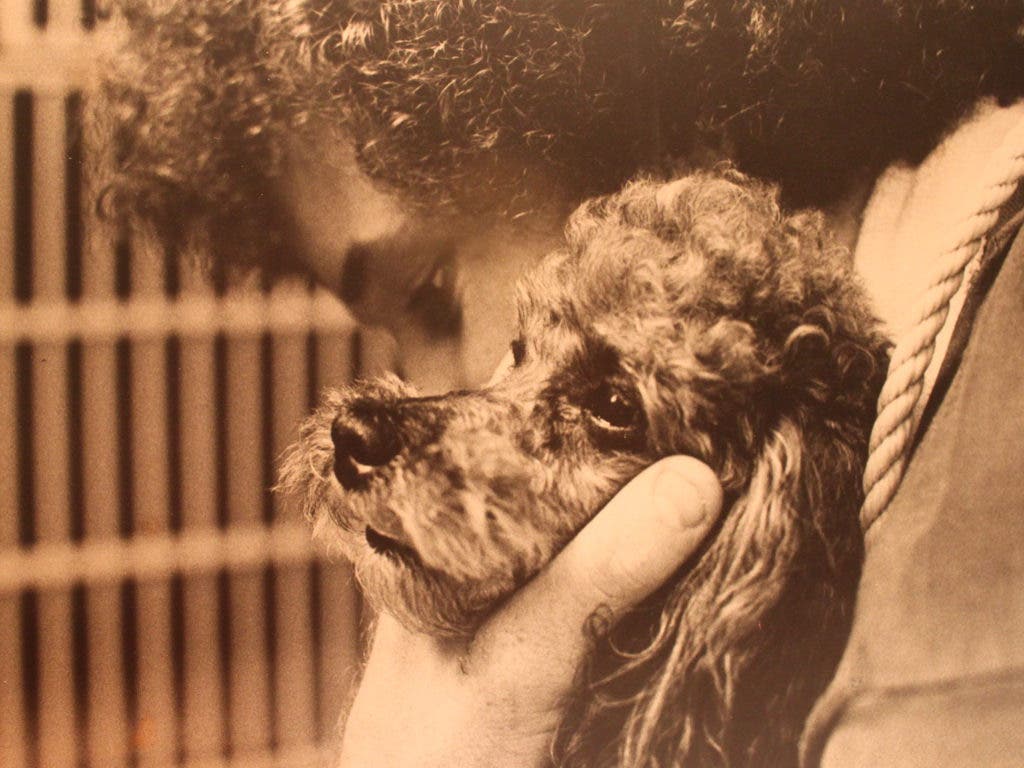
It can be difficult to know what to do when you suspect that your pet has a problem. Should you wait and see if it goes away on its own? Or should you get it checked out early, before it gets worse and could be more difficult to treat? If you're at all concerned, make an appointment and have the problem checked.
Life threatening situations that demand immediate attention can include:
- Difficulty breathing
- Sudden weakness and pale gums
- Serious blood loss
- A prolonged seizure
- Ingestion of a poison
- “Bloat” (your dog’s abdomen is distended and painful)
Infections and injuries often need immediate attention, such as:
Find out what's happening in Burkefor free with the latest updates from Patch.
- Eye injuries (these can get worse quickly)
- Broken bones
- Head injuries that result in abnormal behavior
- Severe infection such as in the ears
- Straining to urinate (this can actually be life-threatening in male cats)
- Burns
- Hyperthermia (dogs can overheat when exercising with their owners)
- Penetrating wounds
Be aware of the following abnormalities, should they appear:
- Is your pet drinking or urinating more than normal? If so, collect a first morning urine sample the day of your scheduled appointment.
- Is there an odor or discharge from the mouth or difficulty eating or chewing?
- Any vomiting and diarrhea that persists more than a day or two should be evaluated.
- Any persistent lumps and bumps should be examined -- sooner rather than later if they are growing or changing rapidly. Mark them with red nail polish or draw a map for ease of finding during the exam
- Is your pet experiencing increasing signs of joint pain and stiffness? Any weakness? Anti-inflammatory and pain medications may be necessary.
- Persistent or uncomfortable skin conditions may include excessive scratching, hair loss, pustules (infection), matting, and odor. Serious and painful lesions can hide under the coat and in body folds not easily visualized.
- Any persistent cough, excessive panting, loss of appetite more than one day, or significant changes in behavior should be evaluated.
- A tucked tail, arched back and reluctance to climb stairs or jump up are common signs of a back problem. Progressing weakness in the back legs is a critical sign that an intervertebral disc might be pressing on the spinal cord, and this requires IMMEDIATE attention.
- Persistent “scooting” or intense attention to the area under the tail may indicate that sensitive glands may need to be expressed (this one will be familiar to many of you, no doubt!).
If in doubt whether you have an emergency, or if you aren’t certain if something requires a visit to the vet, don’t hesitate to call your vet’s office and ask.
Find out what's happening in Burkefor free with the latest updates from Patch.
If it’s after hours, the local emergency clinics are always helpful, and can give advice.
If you make an appointment or head to the emergency room, don’t forget to take your notes. Include when the problem started, frequency, and full descriptions. Take samples appropriate to the problem.
Sometimes, visits with the vet are scary because of the unknown or the fear of finding out something unpleasant. But please don’t be so scared of an office visit that you delay having a problem checked. Preventive medicine saves you money and heartache, and your pet unnecessary pain and discomfort. It also saves lives.
Next week we’ll talk about how to safely examine your pet at home.