Weather
2018 Hurricane Season Begins: Are You Ready Virginia, DC?
The 2018 VA, DC hurricane season is under way, with some calling for a new Category 6. Plus tips to prepare in vulnerable coastal areas.


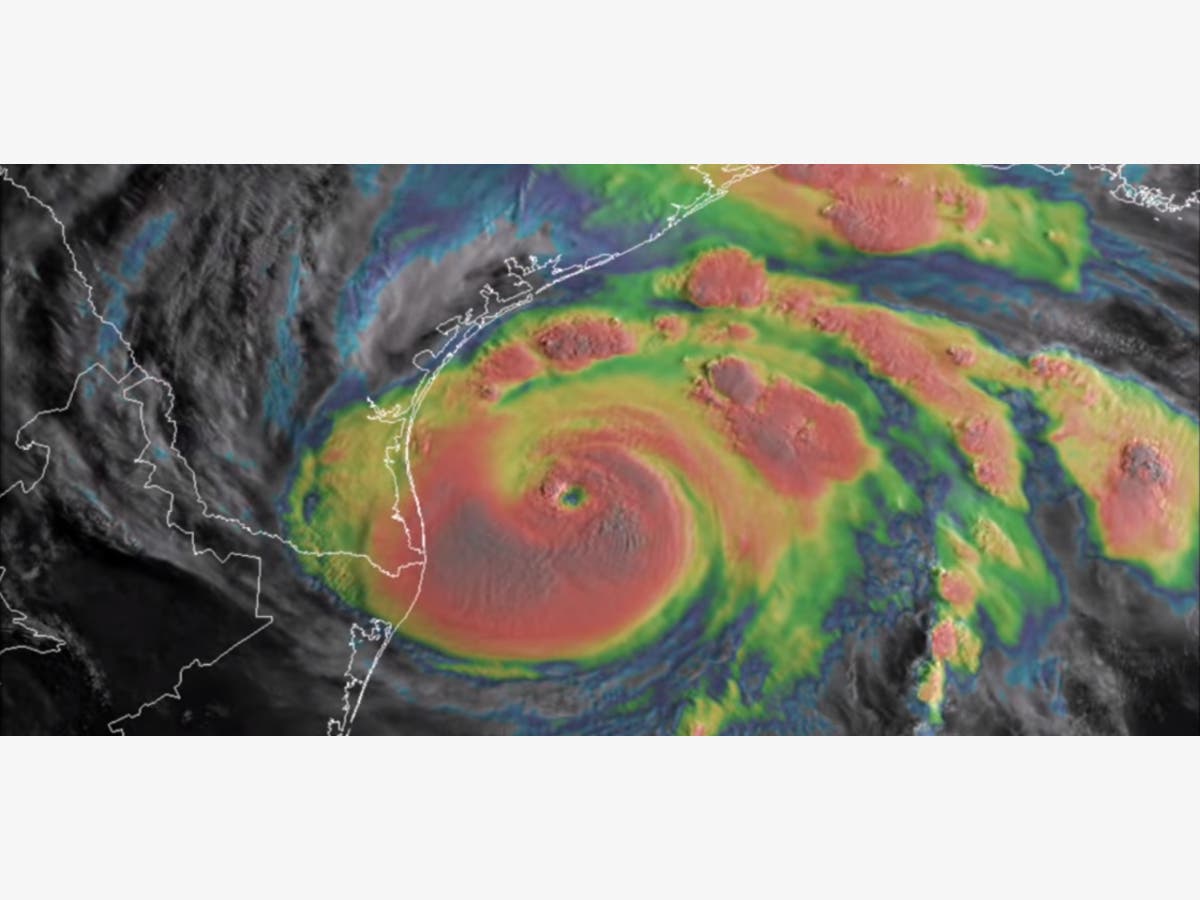
WASHINGTON, DC — Hurricanes Irma and Maria wrought widespread damage in Florida, Georgia, and Texas last year, leveled parts of Puerto Rico, and sent refugees fleeing north to Virginia and Washington, D.C. With the 2018 hurricane season now under way, experts are warning Virginians they should prepare now for what the season brings, and some climate scientists say the scale that measures the destructive force of hurricanes should add a Category 6 as storms grow more powerful and coastal areas become more vulnerable.
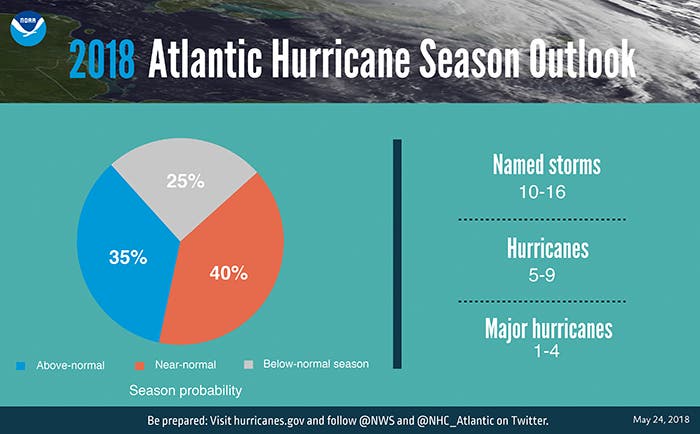
Forecasters at NOAA's National Hurricane Center predict a 35 percent chance of an above-normal season, a 40 percent chance of a near-normal season, and a 25 percent chance of a below-normal season for the upcoming hurricane season, which runs from June 1 to Nov. 30. NOAA’s forecasters predict a 70-percent likelihood of 10 to 16 named storms (winds of 39 mph or higher), of which 5 to 9 could become hurricanes (winds of 74 mph or higher), including 1 to 4 major hurricanes (category 3, 4 or 5; with winds of 111 mph or higher). An average hurricane season produces 12 named storms, of which six become hurricanes, including 3 major hurricanes.
"Preparing ahead of a disaster is the responsibility of all levels of government, the private sector and the public," said acting FEMA Deputy Administrator Daniel Kaniewski in the latest NOAA forecast. "It only takes one storm to devastate a community so now is the time to prepare. Do you have adequate insurance, including flood insurance? Does your family have a communication and evacuation plan? Stay tuned to your local news and download the FEMA app to get alerts, and make sure you heed any warnings issued by local officials.”
Find out what's happening in Del Rayfor free with the latest updates from Patch.
Hurricane forecasts released in April say that the Atlantic Coast – and potentially Virginia – could have a damaging storm season. Weather researchers at Colorado State University recently revised their expectations downward slightly last week. They now expect an average hurricane season, with 14 named storms (including Alberto), six hurricanes and two major hurricanes, with a 51 percent chance of a major hurricane making landfall somewhere in the U.S.
(For more news like this, find your local Patch here. If you have an iPhone, click here to get the free Patch iPhone app; download the free Patch Android app here.)
Find out what's happening in Del Rayfor free with the latest updates from Patch.
Scientists are worried that coastal communities could face more super storms with winds, storm surges and rainfall so intense that current warning categories don't fully capture the threat. Heat trapped by the increasing concentration of greenhouse gases in the atmosphere is raising the chances of that happening, said Penn State climate scientist Michael Mann, reports Inside Climate News.
Since 1980, the number of storms with winds stronger than 124 mph, or a strong Category 3, have doubled, and those with winds stronger than 155 mph have tripled. Mann proposed adding a Category 6 to the Saffir-Simpson Hurricane Wind Scale to describe the super storms seen in recent years that can be fueled by global warming. There should be a Category 6 approaching peak winds of 190 mph, he said.
AccuWeather forecasters, meanwhile, are predicting a near normal to slightly above-normal year with between 12 to 15 tropical storms. Of those storms, 6 to 8 are forecast to become hurricanes and 3 to 5 are forecast to become major hurricanes.
"Last year we had 17 tropical storms. This year may not be quite as active, but still probably normal to slightly above normal," AccuWeather Atlantic Hurricane Expert Dan Kottlowski said.
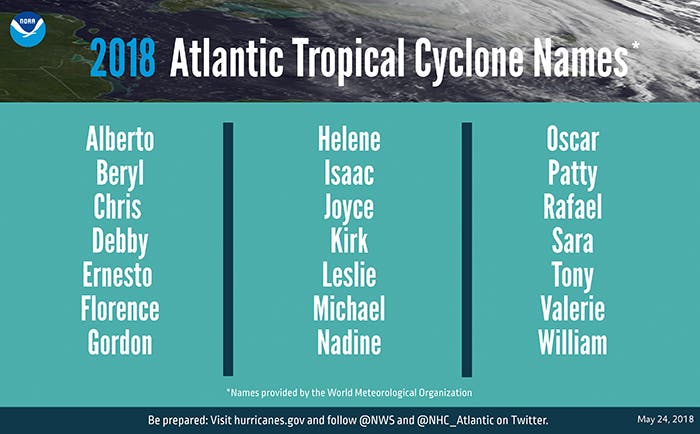
SEE ALSO: Storm Names Released For 2018 Hurricane Season
Visit the Landfall Probability website for information on all coastal states as well as 11 regions and 205 individual counties along the coast. Landfall probabilities for regions and counties are adjusted based on the current climate and its projected effects on the upcoming hurricane season.
Hurricane Preparation Tips
- Get Prepared: Take action now to be prepared for hurricane season. As the storm approaches, it is often
- too late to get ready. Make sure you have family evacuation and communications plans, update your
- emergency supply kit, and evaluate your flood insurance needs.
- Complete a family communication plan. Plan how you will assemble your family and loved ones
- and anticipate where you will go for different situations. Get together with your family and agree on
- the ways to contact one another in an emergency and identify meeting locations.
- Create or restock your emergency kit. Being prepared means having your own food, water and
- other supplies to last for at least 72 hours. A disaster supplies kit is a collection of basic items your
- household may need in the event of an emergency, including an all weather radio.
- Check your insurance coverage. Most homeowner’s insurance policies do not cover damage or losses from flooding. Review your policy, ensure you’re adequately covered and understand exclusions, and contact your agent for any changes.
- Stay Informed. Know where to go for trusted sources of information during a hurricane event. Monitor
- local news resources for hurricane watches and warnings and follow directions of local officials.
- Determine Your Risk. Find out what types of wind and water hazards are likely in your area. Hurricanes are not just a coastal problem and their effects can reach hundreds of miles inland. Since the U.S. has not been hit by a major hurricane (category 3 or higher) in over a decade, "many people are suffering from hurricane amnesia in the forms of complacency, denial and inexperience."
- Develop an Evacuation Plan. Find out if you live in a storm surge hurricane evacuation zone or if your home is unfit to keep you safe in a hurricane. Speak with family and friends and work out a plan to use their home as an evacuation destination. Be sure to account for pets, since many shelters do not allow them.
- Assemble Disaster Supplies. Supplies are necessary not just for the storm itself, but for the often long and grueling aftermath. Stock up on non-perishable food, water and medicine to support your family for at least a week. Other recommended items are cash and battery-powered radios and flashlights. Since many of us use cell phones, have a solar-powered or hand-crank USB charger.
- Know Your Risk and Plan Ahead for an Evacuation:
- Know how to receive information including recommendations or orders to evacuate.
- If you plan to go to a shelter, notify staff of any special needs you or your family have.
- Do not return to the evacuation area until the evacuation order is lifted.
Get Tech Ready
Technology has made it easier to prepare for emergencies, but it can be unreliable during big storms if you haven’t planned to keep your gadgets protected and powered up. Here are some tips to make sure you are tech ready:
Be Informed
Here are basic commands to get started:
- Download the FEMA app. Receive weather alerts from the National Weather Service for up to five different locations anywhere in the United States. To search for open shelters (for disaster survivors): text SHELTER and a Zip Code to 43362 (4FEMA)
Make A Social Media Plan
- Use text messages, social media and email to connect with friends and family during emergencies.
- Mobile networks can become overwhelmed during emergencies, making it difficult to place and receive phone calls. Text messages require less bandwidth, which means they are able to be transmitted more reliably.
- Social media channels such as Facebook and Twitter can also be an effective way to update family and friends during emergencies. Facebook’s Safety Check feature allows users to easily post a status update indicating that they are safe during a time of disaster.
- Register with American Red Cross’s Safe & Well site to let family and friends know you’re okay.
- Have an emergency charging option for your phone and other mobile devices. Smartphones have become a vital tool to receive emergency alerts and warnings,, so it’s important to make sure you can keep them powered up in an emergency.
- At home: Before severe weather, charge all of your electronic devices. If the power goes out, preserve battery power by minimizing device use. Keep a back-up power source on hand to recharge your phone so that you can stay connected even during an extended power outage.
- In your car: Keep a portable phone charger in your vehicle at all times, and consider purchasing a back-up power supply to keep in your vehicle as well.
- Change the settings on your phone to low power mode or place it on airplane mode to conserve energy.
- Store important documents in a secure, password-protected jump drive or in the cloud.
- Capture electronic versions of important documents such as insurance policies, identification documents, and medical records. Don’t forget to include your pet’s information.
- Back-up your computer to protect photos and other personally important electronic documents.
- Scan old photos to protect them from loss.
- Keep your contacts updated and synced across all of your channels, including phone, email and social media. This will make it easy to reach out to the right people quickly to get information and supply updates. Consider creating a group listserv of your top contacts.
- Create a group chat via a texting app or a thread for family/friends/coworkers to communicate quickly during a disaster.
- Sign up for Direct Deposit and electronic banking through your financial institution so you can access your payroll funds and make electronic payments wherever you are. Federal benefit recipients can sign up by calling (800) 333-1795 or at GoDirect.org.
Additional information can be found on the Virginia Department of Health website.
Residents readying for the upcoming season can get tips and advice on the federal government's Ready.gov website. To read the full 2018 Atlantic hurricane season prediction report, visit CSU online.
To keep up with potential storms during hurricane season, bookmark the National Hurricane Center's website. For local weather and severe weather alerts, visit the National Weather Service online.
Includes reporting by Patch Editor Paul Scicchitano
Images via the National Hurricane Center
Get more local news delivered straight to your inbox. Sign up for free Patch newsletters and alerts.