Business & Tech
Fewer Foreclosures for Fairfax Station, County
Fairfax Station outdoes County and neighboring areas in avoiding foreclosures

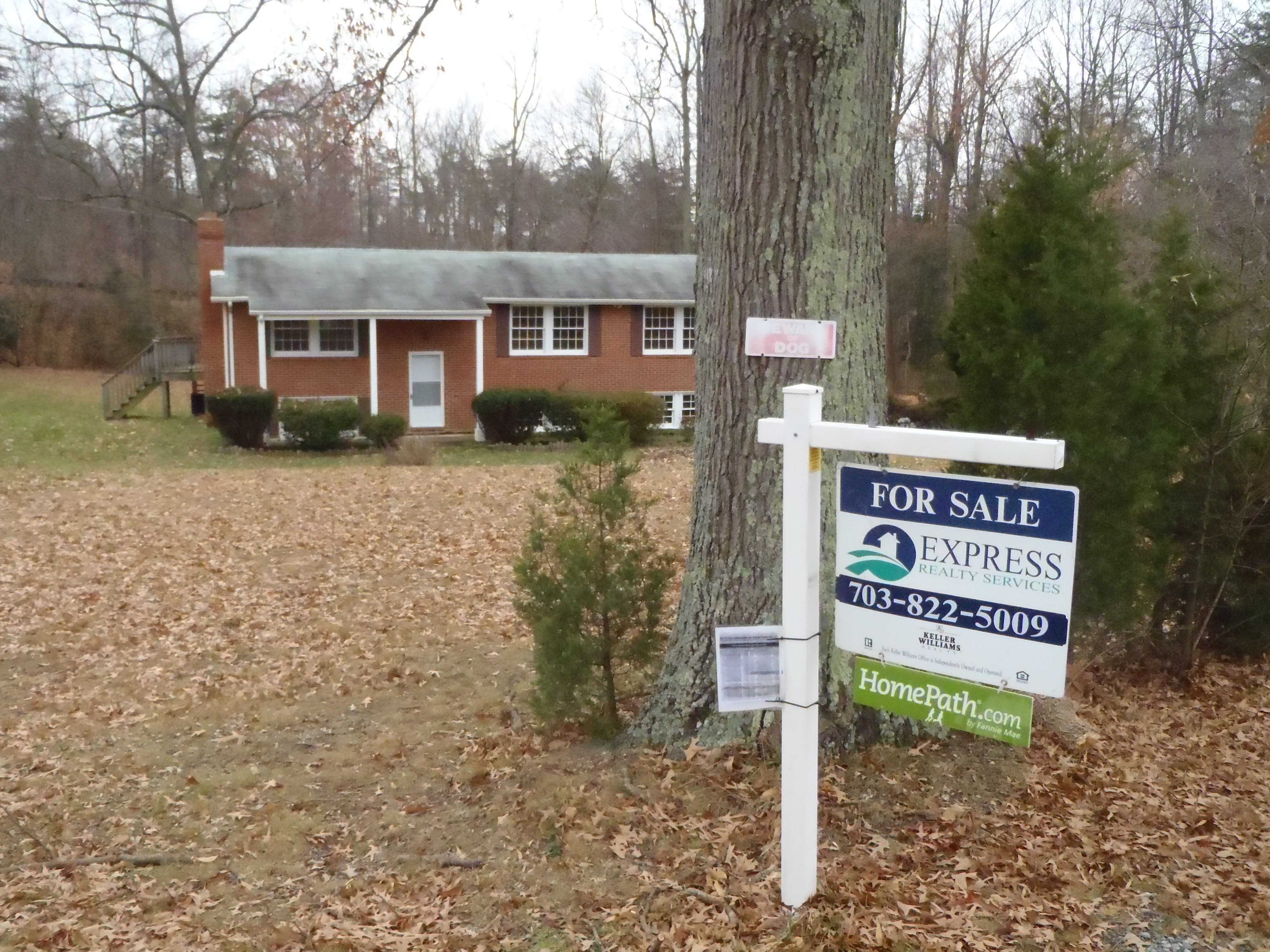
Virginia homeowners saw a decrease in foreclosures in October compared to September, but there are still more people losing their homes this year than there were a year ago.
Locally, the foreclosure picture in Fairfax County is improving and is even better in Fairfax Station, though sales are down overall.
Out of the nation's 3,142 counties, Fairfax County ranked 489 in the country in foreclosures in September, according to RealtyTrac, a company that tracks foreclosures.
Find out what's happening in Fairfax Stationfor free with the latest updates from Patch.
Fairfax County is on track to see fewer foreclosures than last year, when the county saw 12,136 foreclosures, an average of 1,011 foreclosures per month.
So far this year, through the end of October, there have been 8020 foreclosures in Fairfax, an average of 802 per month.
Find out what's happening in Fairfax Stationfor free with the latest updates from Patch.
The county's standing is unsurprising to local Realtor Beth Northam, of RE/MAX Choice.
Instead of Fairfax County, "Prince William was really our foreclosure baby around here," Northam said.
Data provided by Northam show that there were 911 home sales in Fairfax County in the month of October, down nearly a quarter from the same time last year. Of those homes, 117—equivalent to 12.4 percent—were foreclosed properties.
Similarly, 114 of the 999 sales in September and 117 of the 1,239 sales in August were foreclosures, bringing the three-month average percentage of foreclosure sales to 12.5 percent.
In Fairfax Station, two of the seven sales in the month of October were foreclosed properties. Of the 25 homes sold in the two preceding months, none were foreclosures, bringing the three-month average to just over 6 percent.
Fairfax Station's neighbors in saw approximately 8.5 percent of sales derive from foreclosures in that same timeframe.
To Northam, the comparative difference between Fairfax Station and the surrounding areas underscores a real difference.
"It's no surprise that the County [has] a higher percentage of sales as foreclosures. Fairfax Station is a very singular type of community," Northam wrote in an e-mail, "more economically advantaged, with almost exclusively family homes." Fairfax County stats include "townhouses, condos and single family detached [residences]; representing a much more varied array of incomes, types of housing, etc."
John L. Heithaus, chief marketing officer of Metropolitan Regional Information Systems (MRIS), headquartered in Rockville, MD, similarly stressed the finer differences in the metropolitan real estate market.
"The capital area is made up of many markets and sub-markets and some are more hard-hit than others," said Heithaus. "Overall, the capital region has benefited from good demand for real estate and that has helped absorb the units on the market currently."
Virginia ranked 18th in the nation in foreclosures last month and saw foreclosures decrease by 3.71 percent from September to October, according to RealtyTrac.
The bigger year-to-year picture shows the increase. Statewide, the number of foreclosures in October—5,728—was 4.45 percent higher than a year ago, according to figures provided by the company.
"Short-term, it's too soon to tell whether the decrease from September to October is due to mortgage banks freezing foreclosure activity, although it appears the initial 'shock' has somewhat abated," said Heithaus.
Some banks have temporarily frozen foreclosures because the foreclosure process is coming under more scrutiny.
Virginia joined a 50-state investigation of banks accused of forcing homeowners into foreclosure without proper paperwork.
"The main issue is: So many folks walked away from their homes, and foreclosures were going uncontested," said Jason Biro, author of "Saving Your American Dream."
"Those large numbers were part of foreclosure mills. Now that the cat's out of the bag, when it comes to the fraudulent procedures, the attorneys general want to be sure the process is in line with the proper foreclosure process."
State Rep. Robert G. Marshall, who represents Virginia's 13th District (which includes parts of Loudoun and Prince William counties), has asked Cuccinelli to investigate Mortgage Electronic Registration Systems, based in Reston and described last week by The Wall Street Journal as "the middleman firm in millions of court filings that helps keep the mortgage-securitization machine moving."
According to the newspaper, Marshall is drafting legislation that would require lenders to pay county fees before being allowed to proceed with foreclosures.
"The disdain with which the conditions of law have been treated by those who want to make money too fast is very troubling to me," he told the paper.
Foreclosures caused by defaults on sub-prime mortgages are on the wane; the trend is toward foreclosures due to unemployment, according to a recent report from the Virginia Housing Development Authority.
In the second quarter of 2008, most (54 percent) of Virginia's foreclosures were defaults on subprime loans, according to the report. In the second quarter of 2010, fewer (29 percent) of the state's foreclosures were due to defaults on subprime loans.
In Fairfax County, homeowners can seek help from housing counselors at (703) 246-5087 from 8 a.m. to 4:30 p.m. weekdays.
Legal Services of Northern Virginia, which can be reached at (703) 368-5711, also offers homeowners' assistance.
Get more local news delivered straight to your inbox. Sign up for free Patch newsletters and alerts.