Politics & Government
Supreme Court Ruling Puts Virginia’s Mail Ballot Rules In Flux
The Supreme Court lifted an order that had blocked parts of President Donald Trump's March executive order governing mail-in ballots.


A U.S. Supreme Court ruling allowing the Trump administration’s mail-voting order to move forward does not immediately change how Virginia voters cast absentee ballots.
But that could change as Virginia election officials prepare to mail ballots for the important Nov. 3 midterm elections.
The Supreme Court on Monday lifted an order that had blocked parts of President Donald Trump’s March executive order governing mail and absentee voting. The justices did not decide whether the president has the constitutional authority to impose the changes.
Find out what's happening in Fredericksburgfor free with the latest updates from Patch.
Instead, the court found that the 23 states challenging the order had argued Trump overstepped his authority by interfering with states' ability to run elections and Congress' constitutional power to set or change rules for federal elections.
The court said the states, including Virginia, sued too soon and had not shown the concrete, imminent harm necessary to bring their claims when the lawsuit was filed.
Find out what's happening in Fredericksburgfor free with the latest updates from Patch.
The Supreme Court ruling covered several parts of Trump’s election order, but the piece most relevant to mail voting involved the Postal Service.
When the states sued, Trump had only directed the USPS to develop new rules for mailed ballots. The Postal Service finalized a rule requiring election offices to use approved, trackable envelopes for federal ballots and submit ballot-mailing information through a federal portal, but a separate federal court injunction currently prevents USPS from implementing those changes for the 2026 election.
The Trump administration is seeking to have that order lifted, and additional litigation is expected.
What Could Change In VA
If the rule takes effect, state and local election offices would have to comply with the new envelope, barcode and reporting requirements. Voters would not have to sign up with USPS, and the Postal Service would not decide who is eligible to vote.
The reporting requirement is likely to draw particular scrutiny because the Trump administration is already collecting statewide voter-registration data through a separate Justice Department effort. The states that have fully complied so far are Republican-led. Iowa, for example, turned over its voter file in May, including sensitive identifying information.
The USPS rule would require a different disclosure: information identifying voters being sent mail ballots and the barcodes associated with those ballots.
The practical concern is that USPS could reject batches of ballots that do not meet the new requirements, forcing election officials to correct and resend them — a potentially significant problem as ballot-mailing dates approach.
That provision could become increasingly important as ballot-mailing dates approach.
Virginia election officials are scheduled to begin mailing absentee/mail ballots.
“Mail-in voting is safe and fair under Virginia’s election laws. This refusal to rescind the proposed rule is a blatant attack on voting rights and part of a larger effort to create confusion and chaos ahead of the 2026 midterms,” said Attorney General Jay Jones last month. “The people will not let these strikes on fundamental rights go without a fight, and this office is ready to use every legal resource to stand up against federal overreach.”
What The Court Actually Decided
Importantly, the Supreme Court’s ruling does not uphold Trump’s mail-voting policies as constitutional.
The court’s conservative majority instead focused on whether the states had standing to challenge the executive order when they filed their lawsuit.
The court said the executive order itself largely directed federal officials to take future actions and did not require states to take any action.
At the time the lawsuit was filed, the Postal Service had not adopted its final rule, so the majority said predictions about how the federal government would ultimately implement the order — and how states would be affected — were too speculative.
That leaves open the possibility of new challenges based on actions federal agencies have taken since then.
The timing could make those fights significant. The first ballots for military and overseas voters are scheduled to begin going out in early September, followed by absentee and mail ballots for other voters, with deadlines set by individual states.
What VA Mail Voters Should Know
For now, voters should continue following Virginia’s existing instructions for requesting and returning mail or absentee ballots unless state or local election officials announce a change.
For the Nov. 3 general election, Virginia voters can request a ballot by mail through Oct. 23 at the Department of Elections website. That's also the deadline for voters to register or update their registration. Voters will still be able to register at the polls on Election Day by filling out a provisional ballot.
Completed ballot returned by mail must be returned to your local general registrar's office by 7 p.m. on Election Day. Mail-in ballots can also be dropped off at the polls or official drop boxes in your area.
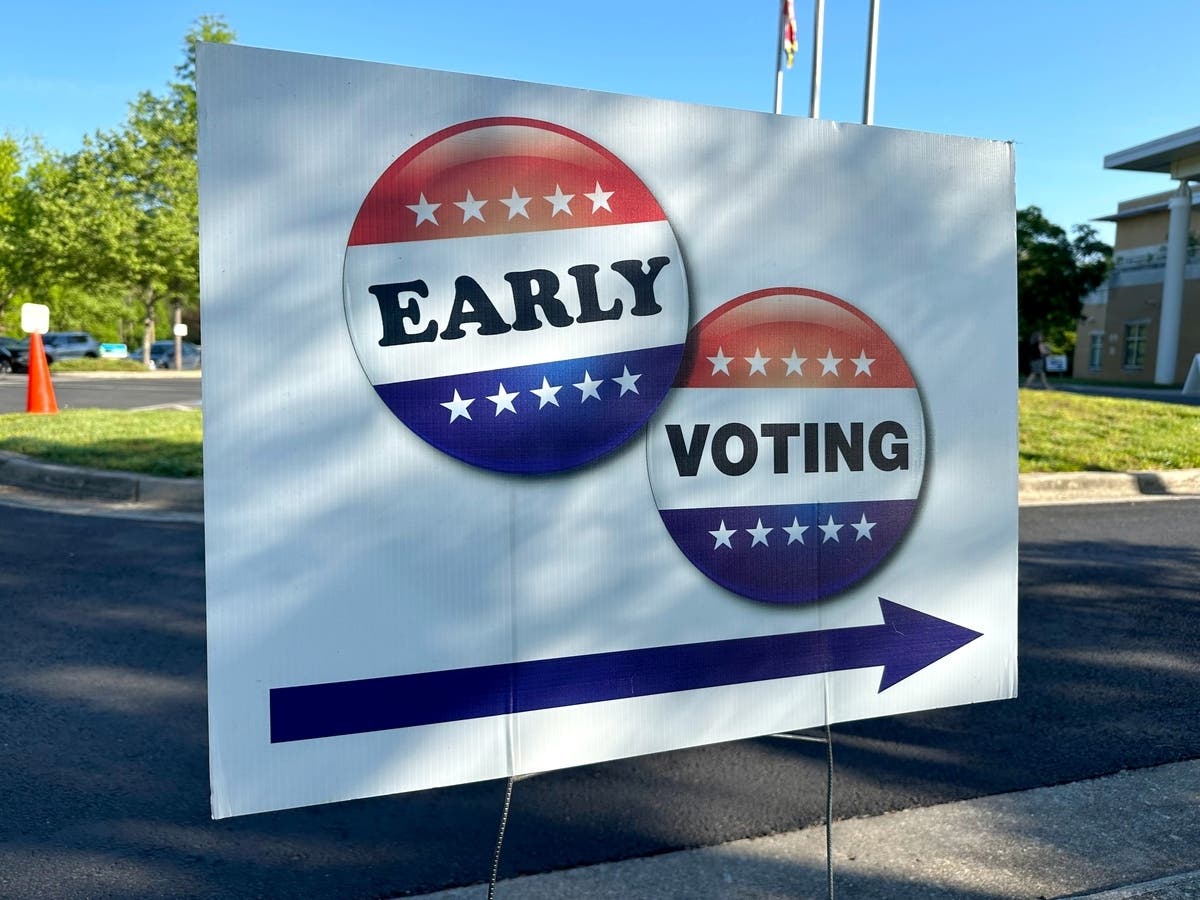
Absentee ballots will be mailed beginning Sept. 18 to military and overseas voters as well as anyone who has applied to receive one. The early in-person voting period runs from Friday, Sept. 18, 2026, through 5 p.m. on Saturday, Oct. 31.
Virginia offers an online system that allows voters to track the status of their mail ballots. Visit the Citizens Portal for more information about your registration status, requesting a mail ballot and locating your polling place.
Voters should check with the Virginia Department of Elections or their local election office for the latest instructions because the federal court fight remains unresolved.
The Postal Service separately recommends that voters allow enough time for both the delivery of the ballot to the voter and its return to the election office, and to follow deadlines and instructions established by their state.
The Associated Press contributed to this report.
Get more local news delivered straight to your inbox. Sign up for free Patch newsletters and alerts.