Politics & Government
Virginia Voters Weigh Abortion, Marriage And Voting Rights Amendments
Three constitutional amendments were on the ballot for Virginia's 2026 midterm election. See how voters cast their ballots on Tuesday.


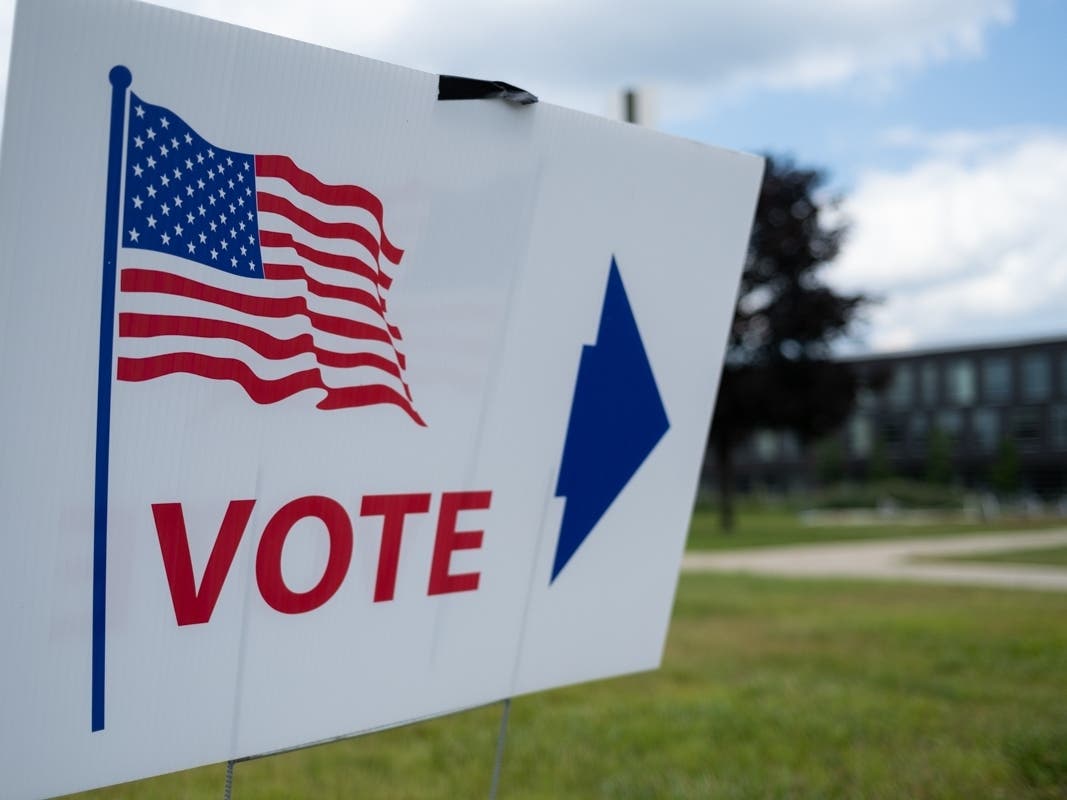
Polls have officially closed across Virginia, and voters have weighed in on three proposed constitutional amendments covering reproductive rights, marriage equality and voting rights.
Each measure appeared as a separate question. Approved amendments would take effect Jan. 1, 2027, according to the Virginia Department of Elections, though pending lawsuits could affect that process.
Patch is following Tuesday's election results. Check back for updates on the following constitutional amendments and how residents voted.
Find out what's happening in Across Virginiafor free with the latest updates from Patch.
Question 1: Reproductive Rights
Question 1 would add reproductive freedom as a fundamental right to Virginia’s Constitution. That includes decisions about pregnancy care, childbirth, care after delivery, birth control, abortion, miscarriage management and fertility treatment.
The amendment would also protect people from state punishment for exercising those rights or helping someone exercise them, with that person’s consent, according to the state’s official explanation.
Find out what's happening in Across Virginiafor free with the latest updates from Patch.
Virginia could still regulate abortion during the third trimester, roughly the final three months of pregnancy. However, restrictions would have to allow an abortion when a physician determines it is medically needed to protect the patient’s life or physical or mental health, or when the fetus cannot survive outside the womb.
A yes vote supported putting those protections in the state constitution.
A no vote supported leaving the constitution unchanged. Rejecting the amendment would not, by itself, ban abortion or change existing abortion laws.
Court challenge: A hearing is scheduled for Nov. 13 if the amendment passes. Founding Freedoms Law Center is seeking an order blocking certification of the results, claiming procedural requirements were not followed and the ballot wording is misleading. The legal group confirmed the hearing in an Oct. 26 statement.
The dispute includes whether lawmakers could retroactively repeal a requirement to distribute proposed amendments to circuit court clerks for public posting, according to Virginia Mercury reporting published by Patch. State attorneys have defended lawmakers’ authority to change the process.
Question 2: Marriage Equality
Question 2 would remove Virginia’s constitutional ban on same-sex marriage and replace it with protections for lawful marriages between two adults, regardless of sex, gender or race.
It would prohibit the state from denying a marriage license on those grounds and require lawful marriages to receive equal treatment.
Same-sex marriage is already legal in Virginia. The existing constitutional ban is unenforceable because of the U.S. Supreme Court’s 2015 decision in Obergefell v. Hodges, according to the Virginia Department of Elections. The ban’s wording remains in the state constitution.
A yes vote supported removing that ban and adding marriage protections.
A no vote supported keeping the existing wording. Rejecting the amendment would not end same-sex marriage under the Supreme Court’s current ruling. The state elections department warns that the constitutional prohibition could become enforceable again if that ruling were overturned.
Court challenge: Founding Freedoms Law Center has also filed a lawsuit on behalf of Prince William County pastor Ben Purves challenging the marriage amendment on procedural grounds similar to those raised against Question 1, according to the Mercury.
Question 3: Voting Rights
Question 3 would automatically restore voting rights to people released from incarceration for felony convictions, removing the need for the governor to restore those rights.
Under Virginia’s current constitution, a felony conviction takes away a person’s voting rights indefinitely unless the governor restores them, according to the state’s explanation.
The amendment would also establish voting as a fundamental right for qualified voters and narrow the circumstances in which a court can remove voting rights because of incapacity. A court would have to specifically find that a person cannot understand how to vote.
A yes vote supported automatic restoration after release and the other voting protections. People serving a felony sentence would remain unable to vote. Eligible voters would still have to register.
A no vote supported retaining the current restoration process and incapacity rules.
Court challenge: Founding Freedoms Law Center told the Mercury it does not intend to challenge Question 3. That statement concerns the group’s plans; it does not rule out a lawsuit by someone else.
Get more local news delivered straight to your inbox. Sign up for free Patch newsletters and alerts.