Neighbor News
The Rise and Controversy of First Amendment Audits
The Rise and Controversy of First Amendment Audits on YouTube: Navigating the Good, the Bad, and the Ugly

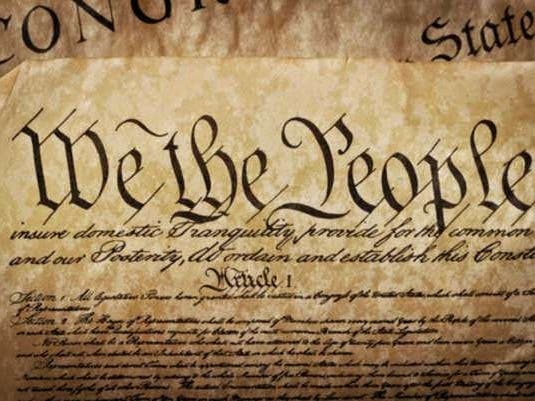
In the digital age, where information is readily accessible and social media platforms amplify individual voices, a unique phenomenon has taken root on YouTube: First Amendment Audits. These videos, which feature self-proclaimed "First Amendment Auditors" testing the boundaries of free speech and the public’s right to record in government and public spaces, have grown significantly in popularity over the past few years. While these audits purport to defend and assert constitutional rights, they have also sparked intense debate about their methods, intentions, and impacts on both public institutions and private citizens.
The Popularity Surge on YouTube
Find out what's happening in Herndonfor free with the latest updates from Patch.
YouTube, with its vast audience and user-friendly platform, has become the epicenter for First Amendment Audits. These videos typically depict auditors visiting public spaces such as post offices, government buildings, libraries, and police stations, with the primary intent of filming interactions with public officials and law enforcement officers. The premise is simple: test whether these officials respect the auditor's right to record in a public space, as protected under the First Amendment of the U.S. Constitution.
The appeal of these videos lies in their unpredictability. Viewers are drawn to the potential for confrontation, the defense of civil liberties, and the exposure of what auditors describe as "tyranny" or "unconstitutional behavior." Many of these videos have gone viral, amassing millions of views and generating heated discussions in the comments sections. The rise of these videos reflects a growing public interest in civil rights and government accountability, as well as a fascination with the dynamics of power between ordinary citizens and authority figures.
Find out what's happening in Herndonfor free with the latest updates from Patch.
The Good: Advocating for Civil Rights
At its core, the First Amendment Audit movement is rooted in the desire to uphold and protect civil liberties. The auditors, often citing Supreme Court rulings and legal precedents, argue that recording in public spaces is a fundamental right that ensures transparency and accountability. They contend that by exercising this right, they are providing a public service, educating both officials and the general populace on the importance of constitutional freedoms.
In some cases, First Amendment Auditors have indeed brought attention to overreach or misconduct by public officials. There are instances where auditors have captured footage of government employees or law enforcement officers behaving inappropriately, leading to disciplinary action or public scrutiny. These audits can serve as a form of grassroots journalism, shedding light on issues that might otherwise go unnoticed.
Moreover, the presence of auditors can prompt public institutions to reassess their policies and training regarding the First Amendment. Some agencies have taken proactive steps to ensure that their employees are aware of the public's right to record, leading to more informed and respectful interactions with the public. In this way, First Amendment Auditors can contribute to a broader culture of accountability and transparency.
The Bad: Confrontation and Disruption
However, the methods employed by some First Amendment Auditors have raised significant concerns. Critics argue that many auditors prioritize confrontation over education, seeking out and provoking negative reactions from public officials for the sake of creating sensational content. This approach can lead to unnecessary conflicts, creating hostile environments that disrupt the daily operations of public institutions and escalate tensions between citizens and authorities.
In many videos, auditors are seen engaging in behavior that some might describe as antagonistic—refusing to identify themselves, invading personal space, or ignoring reasonable requests from public employees. Such actions can be perceived as harassment rather than a legitimate exercise of First Amendment rights. Critics argue that these tactics undermine the credibility of the audit movement, turning what could be a meaningful dialogue about civil liberties into a spectacle of confrontation.
Furthermore, the ethical implications of these audits are often questioned. Unlike traditional journalism, which is guided by ethical standards and a commitment to truth, First Amendment Audits are largely unregulated. This lack of oversight can lead to the spread of misinformation, with some auditors making unfounded legal claims or presenting a skewed version of events. The impact on the individuals involved—many of whom are simply doing their jobs—can be severe, with some facing public backlash, harassment, or even threats as a result of being featured in these videos.
The Ugly: Impact on Public Workers and Institutions
For public institutions and employees, the rise of First Amendment Audits presents a unique challenge. Many public workers are not trained to handle the confrontational tactics employed by some auditors, leading to misunderstandings and conflicts that could easily be avoided with proper education and preparation.
Post offices, in particular, have become frequent targets for auditors, partly because of the widespread public misunderstanding of "Poster 7," a set of rules posted in U.S. post offices outlining the conditions under which photography is permitted on postal property. While these rules do allow for photography in certain areas, they also impose restrictions that are often ignored or challenged by auditors. This has led to numerous viral confrontations between auditors and postal employees, many of whom are simply unaware of the nuances of the regulations.
To mitigate these issues, public institutions need to take proactive steps. First and foremost, comprehensive training on First Amendment rights should be provided to all employees, particularly those in public-facing roles. This training should not only cover the legal aspects of public photography but also emphasize the importance of maintaining professionalism and composure during interactions with auditors. By understanding the rights of auditors and the limits of those rights, employees can better manage these encounters, reducing the likelihood of conflict.
In addition to training, public institutions should consider updating their policies and signage to clearly communicate the rules regarding photography and recording. This could include more detailed explanations of "Poster 7" in post offices, as well as clear guidelines for employees on how to respond to auditors. By being transparent and consistent in their approach, institutions can minimize misunderstandings and ensure that both auditors and employees are aware of their rights and responsibilities.
Public Interaction with First Amendment Auditors: What You Should Know
The presence of First Amendment Auditors in public spaces also raises questions for ordinary citizens who may find themselves recorded without their consent. It is important for the general public to understand that in most public spaces, there is no reasonable expectation of privacy. This means that anyone, including First Amendment Auditors, can legally record video or take photographs without needing permission from those around them.
For members of the public who encounter someone recording in a public space, whether it's a First Amendment Auditor or another individual, there are several key points to keep in mind:
- Remain Calm and Respectful: If you notice someone recording in a public space, it's important to remain calm. Approaching the situation with a confrontational attitude can escalate tensions unnecessarily. Remember that the right to record in public spaces is protected under the First Amendment.
- Understand Your Rights: While auditors and others have the right to record in public spaces, this right is not unlimited. For example, recording in private areas where there is a reasonable expectation of privacy (such as restrooms or private offices) is not permitted. However, in public areas like sidewalks, parks, and government buildings, recording is generally allowed.
- Avoid Engaging If Uncomfortable: If you are uncomfortable being recorded, the best course of action is often to simply avoid engaging with the person recording. Most auditors are looking to capture reactions, and choosing not to engage can prevent your image or comments from becoming part of their content.
- Speak to an Authority if Necessary: If you believe that someone is recording in a manner that is harassing or disruptive, or if you are unsure of the legality of the recording, you can approach a nearby authority figure, such as a security guard or police officer, to express your concerns. However, it's important to remember that as long as the recording is done in a public space and is not violating any laws, authorities may not be able to intervene.
- Educate Yourself: Familiarize yourself with the basics of public photography laws and the First Amendment. Knowing your rights and the rights of others can help you navigate these situations more confidently. There are many resources available online that explain the legalities of recording in public spaces.
Conclusion: Navigating the Complexities of First Amendment Audits
The rise of First Amendment Audits on YouTube is a testament to the enduring relevance of civil liberties in American society. While these audits can play a valuable role in promoting transparency and accountability, they also pose significant challenges for public institutions, employees, and even private citizens. The key to navigating these challenges lies in education, preparation, and a commitment to upholding constitutional rights while maintaining respect and professionalism.
As the popularity of these videos continues to grow, it is essential for public institutions to adapt, ensuring that their employees are equipped to handle audits with confidence and clarity. Additionally, members of the public should understand their rights and how to respond appropriately if they find themselves being recorded. By fostering a culture of mutual respect and understanding, society can turn potential conflicts into opportunities for education and dialogue, ultimately balancing the principles of the First Amendment with the protection of individual dignity.