Community Corner
'A Perfect Sneering Nest Of Rebels': Leesburg's Civil War History
Though the town changed hands hundreds of times during the Civil War, Leesburg's residents staunchly supported the Confederacy's rebellion.


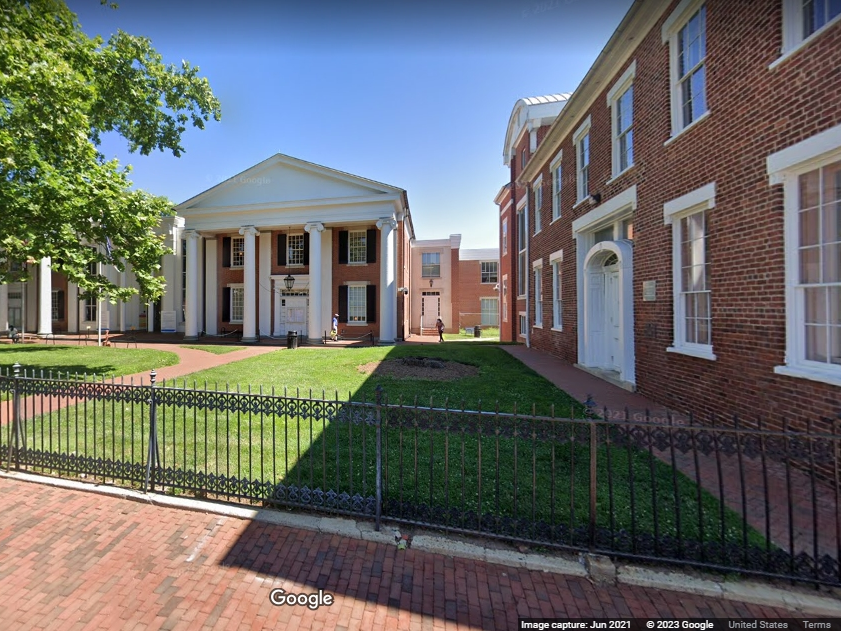
LEESBURG, VA — Leesburg is full of history, from the 1740s through the American Civil War. During the Civil War, the Union and Confederate armies constantly vied for control of the thriving town. The armies gained and lost control of the town more than 150 times during the four-year war.
Each time Union forces regained control of the town, they were met with hostility. Regardless of which army controlled the area, Leesburg's residents staunchly supported the Confederacy.
Henry Morhous was a reporter from north of the Mason-Dixon line. He described Leesburg during the Civil War as "a perfect sneering nest of rebels."
Find out what's happening in Leesburgfor free with the latest updates from Patch.
"The people were the bitterest in their hatred of Northern mudsills of any we had met," Morhous wrote. "They insulted soldiers in every way they felt safe. The ladies were the most outspoken."
From the war's onset, Confederate support was overwhelming. Loudoun County sent two delegates to Virginia's Secession Convention in April 1861; they both voted against secession. Virginia's delegates still chose to secede, and the men of Leesburg approved the decision by a 400 to 22 vote.
Find out what's happening in Leesburgfor free with the latest updates from Patch.
After Loudoun County voted to secede, Leesburg residents celebrated on the steps of the courthouse on East Market Street. The courthouse was the same site that saw the sales of enslaved people; it is the same building that hosted legal orders soliciting "patrollers" to find and imprison any enslaved person outside of their home.
Captured Union soldiers were held at the courthouse in Leesburg after the Battle of Ball's Bluff in 1861. Leesburg residents taunted the 553 detainees until they were led out of town by Confederate forces.
When the Union army marched through Leesburg later in the war, the soldiers garnered glares from townsfolk. When Gen. Robert E. Lee's Confederate soldiers retook the town, they were met with cheers.
The Confederacy lost the war in 1865, and reconstruction began in Leesburg and throughout the country. Leesburg's courthouse, which saw the sale of enslaved people, would become a site for Black men to vote in 1869.
Get more local news delivered straight to your inbox. Sign up for free Patch newsletters and alerts.