Health & Fitness
Teenager's Kidney Transplant Begins 'Life-Saving Chain'
Lexie Ruff now has 100-percent kidney function after experiencing only 12-percent kidney function before last week's transplant.


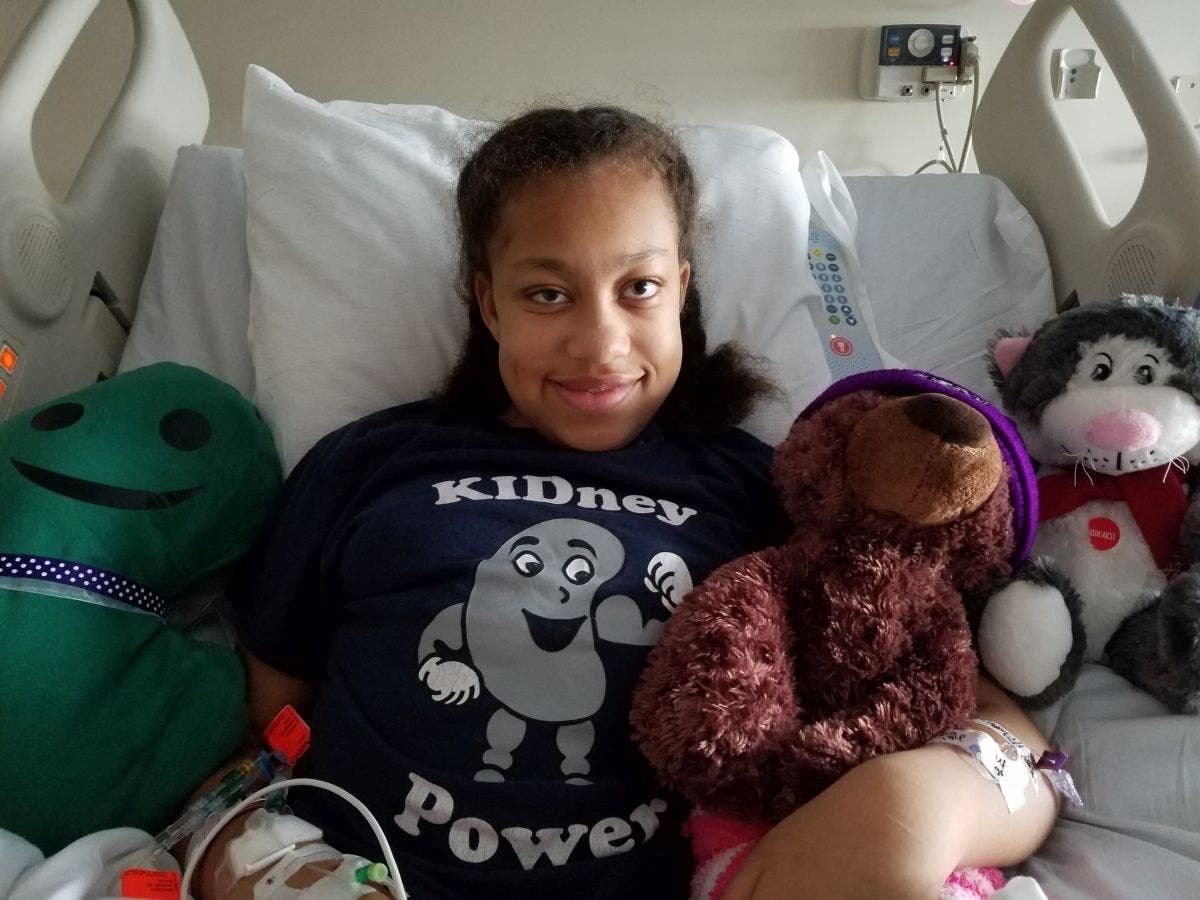
LEESBURG, VA — The news is encouraging almost a week after the first part of a kidney exchange involving a 15-year-old Loudoun County girl. The next phase of the swap takes place Thursday when the teenage girl's former fourth-grade teacher donates one of her kidneys to another young person in need of a transplant.
The teenager, Lexie Ruff, received a new kidney from a living donor last Tuesday in a procedure at Johns Hopkins Hospital in Baltimore. The kidney transplant was made possible when Lexie's former teacher agreed to participate in a paired kidney exchange program that allowed her to receive a life-saving kidney transplant. Lexie is now a freshman at Loudoun County High School in Leesburg.
Lexie's mother, Kimberly Ruff, informed Patch on Sunday that Lexie's recovery from the transplant is going well and that she now has 100-percent kidney function for the first time in more than 10 years. Lexie had 12-percent kidney function going into surgery on Jan. 7.
Find out what's happening in Leesburgfor free with the latest updates from Patch.
As part of the kidney swap, Christie Kaplan, Lexie's former fourth-grade teacher, will donate one of her kidneys to another person in need of a kidney on Jan. 16, also at Johns Hopkins Hospital.
"We are sending up prayers of gratitude for one awesome God, Christie, and the donor we have yet to meet," Ruff said in an email to Patch. "We are praying for a total repeat on Jan. 16, when Christie gives her kidney to the other child in this miraculous life-saving chain."
Find out what's happening in Leesburgfor free with the latest updates from Patch.
Kaplan, who also lives in Leesburg and now teaches second grade in the Loudoun County school system, is scheduled to donate a kidney to her recipient at 8:45 a.m. on Thursday. After spending two nights in the hospital following the removal of the kidney, Kaplan will get to go home. The doctors told her full recovery from the procedure should take about six weeks.
A paired kidney exchange occurs when a living kidney donor, like Kaplan, is incompatible with a recipient, and decides to exchange a kidney with another donor and recipient pair. Under the exchange program, there are two pairs of donors and recipients.
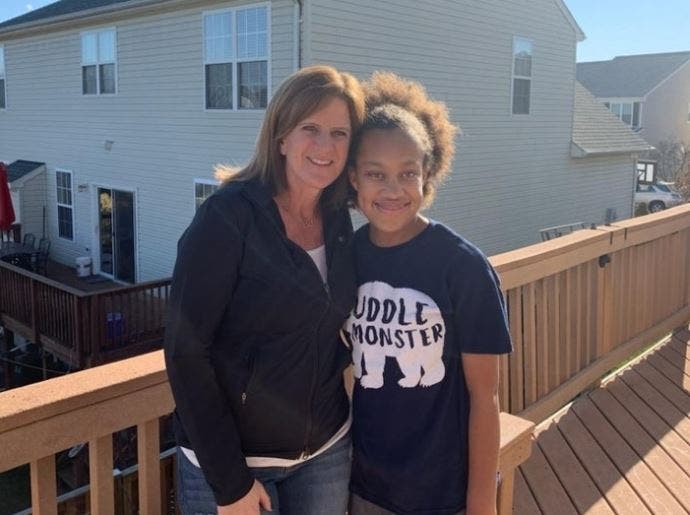
In fourth grade, when Kaplan was Lexie's teacher at Frederick Douglass Elementary School in Leesburg, Lexie's health started to worsen after a transplanted kidney she had received from a deceased donor a few years earlier went into decline.
After a year's worth of testing to determine whether she could give Lexie a kidney, Kaplan was ruled out as a donor. A prospective donor must have several points of compatibility, including a compatible blood type, tissue type and other markers. After Johns Hopkins contacted her, Kaplan entered the paired kidney exchange program on Lexie's behalf.
Kidneys from living donors tend to last longer than those from deceased donors, and recipients generally have better outcomes with living donation. Removing a kidney is a major surgical procedure that has its share of risks. Once the kidney is removed, though, current research shows donors do not have higher risks of death, cardiovascular disease, diabetes or a lower quality of life.
Lexie is expected to leave Johns Hopkins Hospital on Wednesday, although her discharge date has not been finalized. When she goes home, Lexie will be required to stay there for about a hundred days to recover from the transplant before she returns to school.
Lexie's mother said she and her family will not learn anything about Kaplan's recipient or Lexie's donor unless the pair agrees to meet with them and share their backgrounds and outcomes. "We have both informed our transplant coordinators that we would like to meet them," Ruff said.
Get more local news delivered straight to your inbox. Sign up for free Patch newsletters and alerts.