Neighbor News
Tips for Helping Veterans Transition to Civilian Life
Here are some tips for helping veterans to transition to civilian life...


According to the PTSD Foundation of America, one out of every three combat veterans are dealing with serious post-traumatic stress symptoms. Add to that the other common challenges that veterans face when trying to transition to a civilian life, and there are a lot of potential problems that can arise. Veterans transitioning to civilian life often have a difficult time adjusting to the lack of structure and change in pace of life. They feel isolated, have difficulties re-connecting to family and friends, and feel stress as they seek jobs and worry about financial issues.
“Any transition in life can be challenging. Leaving the military is very stressful for many of us,” explains Ken Falke, chairman and founder of Boulder Crest Retreat. “Our work at the Retreat focuses on establishing clarity around transition. Understanding where you want to be, how much money you need to make, and what is most important to your quality of life is very important. Once you gain clarity, the fundamentals all seem to come together.”
Research conducted by the Pew Research Center found that 27 percent of veterans reported finding it difficult to transition back into civilian life, but that number rises to 40 percent when you poll veterans who have served in the last 10 years. Here are some tips for helping veterans to transition to civilian life:
Find out what's happening in Leesburgfor free with the latest updates from Patch.
· Pay attention to the veteran’s behavior to see how well they are adjusting. If there are problems and stress, identify those issues and seek out help for them. Speak with your family doctor or a mental health therapist for advice on the best route to helping.
· Give the veteran some space and time to adjust. Making the transition isn’t something that is going to happen overnight, so being patient and supportive is going to be the most effective route.
Find out what's happening in Leesburgfor free with the latest updates from Patch.
· Suggest treatment programs that can help, such as the one offered by the Boulder Crest Retreat. Being exposed to a variety of therapeutic tools can help during the transition so they have ways to reduce stress and anxiety.
· Join or build a community. There is help in having good social support. Seek out other veteran groups or families that can be social together. Some of these groups already exist in communities, but if they don’t then don’t shy away from starting one.
· Encourage healthy living habits, such as eating healthy, exercising, getting enough sleep, and doing things to help reduce stress.
· Try to have a plan with some goals, so that you can help the veteran work toward meeting them. They can include goals regarding engaging in therapy, obtaining a new job, etc.
“We know that returning veterans can be as productive at home as they were in the military and on the battlefield,” added Falke. “Now more than ever, our great nation needs the strength and leadership of our combat veterans here at home.”
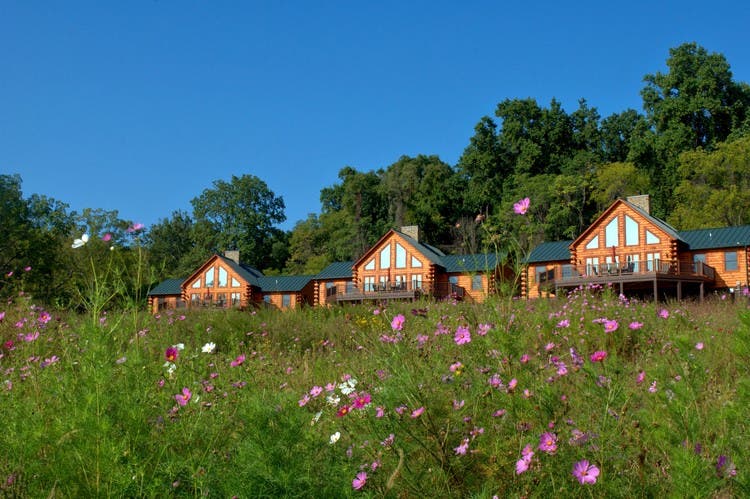
At Boulder Crest Retreat for Military and Veteran Wellness, combat veterans and their families receive a free of charge, week-long therapeutic program. The retreat is located on a 37-acres, offering a serene nature setting just 50 miles outside of Washington, D.C. This innovative program, known as PATHH (Progressive and Alternative Therapies for Healing Heroes), focuses on providing education about PTSD and other combat-related stresses, group therapeutic sessions, recreational therapy, and the creation of a game plan for life, inclusive of individualized goals, which ensures that the benefit of PATHH is sustained for months and years to come. The program is delivered by a unique blend of world-class therapists and trained military mentors. The retreat founder, Ken Falke, is a 21 year wounded Navy veteran.
The Retreat welcomes wounded active-duty, reserve and National Guard personnel, veterans, their family members and caregivers, and Gold Star Families. Boulder Crest Retreat is a 501 (c)(3) nonprofit organization that is funded entirely by private donations by individuals and organizations from around the country. For more information about the retreat, please go to www.bouldercrestretreat.org. View a video about the Boulder Crest Retreat here: https://www.youtube.com/watch?v=KztgmScOQLw.