Community Corner
Prince William County Veteran Seeks Kidney Donation
A Navy veteran who served during Operation Desert Shield is facing kidney failure and needs a kidney donation.


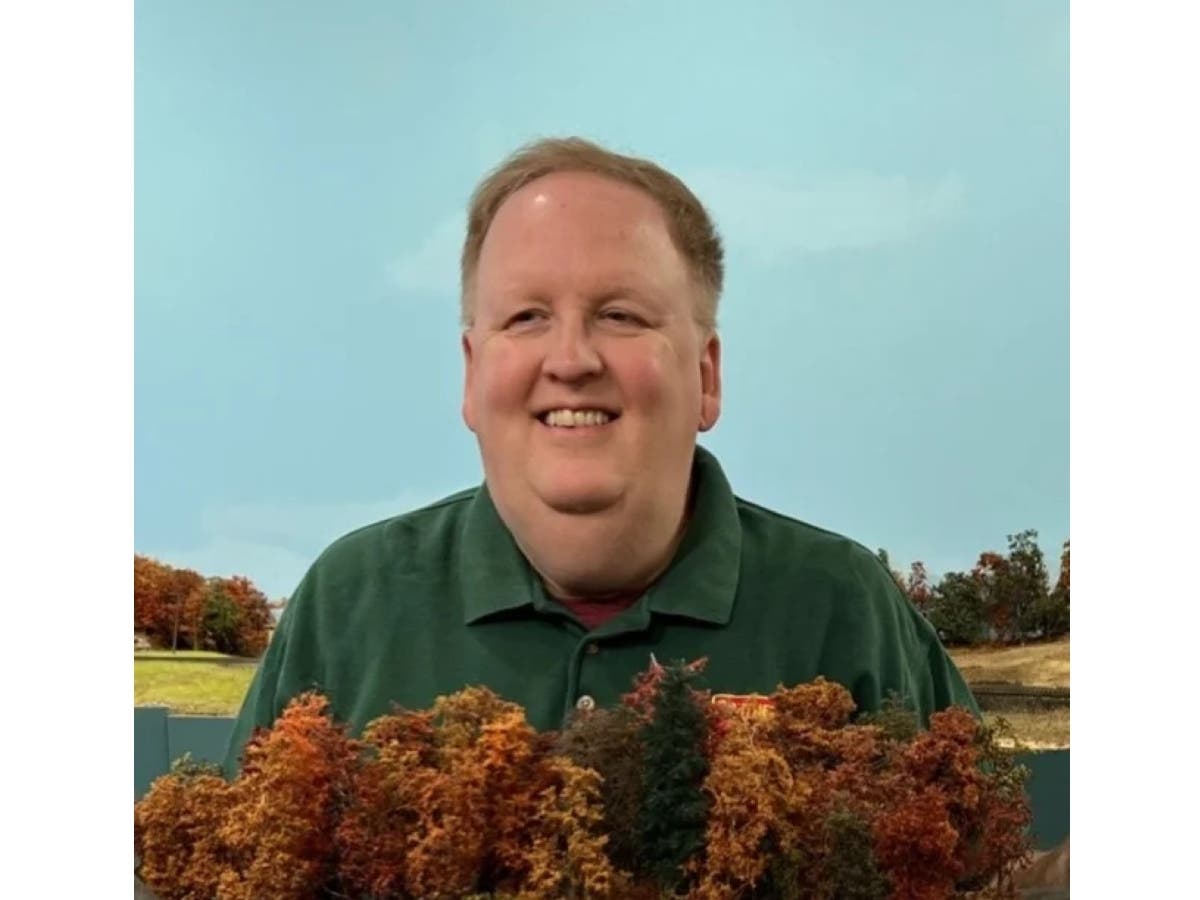
GAINESVILLE, VA — A Prince William County veteran who served his country in the U.S. Navy is now looking for help with a kidney donation.
Martin "Marty" McGuirk, a U.S. Navy veteran from Gainesville, is experiencing kidney failure due to factors like chronic hypertension and a condition that makes his body produce too much iron. McGuirk is hoping to find a kidney donor through a veterans organization called Donor Outreach for Veterans (DOVE) Transplant before he has to rely on dialysis.
"Without a living kidney donor the option is to wait an average of 4-6 years for a kidney from a deceased donor," Sharyn Kreitzer, DOVE Transplant's executive director and a kidney donor, told Patch. "Many will not survive that wait."
Find out what's happening in Manassasfor free with the latest updates from Patch.
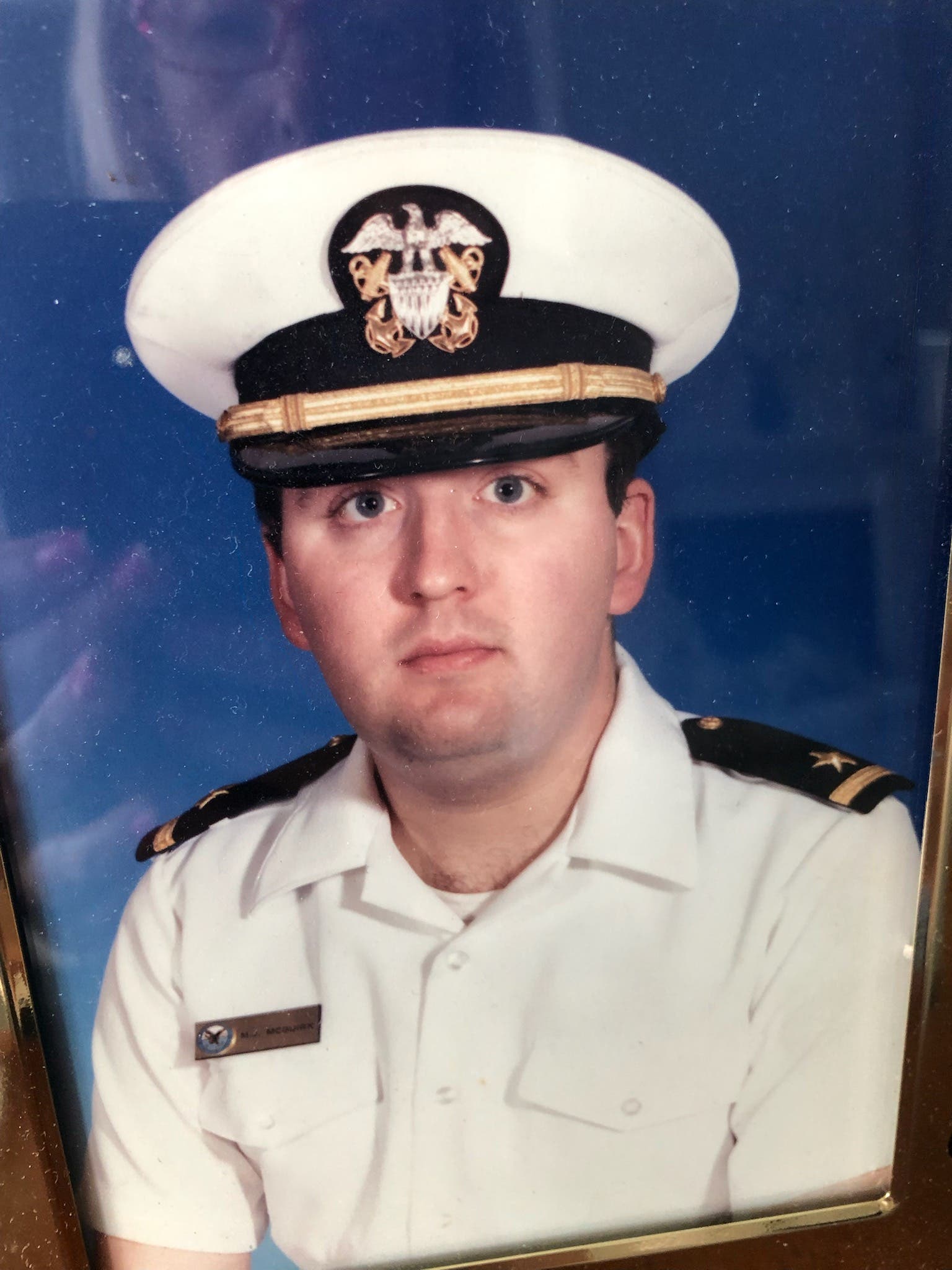
McGuirk joined the U.S. Navy in 1986, attending Surface Warfare Officer School before being assigned as a deck officer on the USS Harlan County in the Mediterranean and Caribbean. He then served as Navy detachment officer in charge on the USNS Neosho, which dispatched to support Operation Desert Shield in the Gulf War. He also served on the USS Lake Champlain during Operation Desert Storm. He also worked with the Naval Sea Systems Command and worked as an at-sea director on the PMS-400 with a focus on Navy radar and sensor programs.
After his Navy service, McGuirk pursued his model train building passion at Model Railroader magazine in Wisconsin and a model train manufacturer in Colorado. He moved to the East Coast to be closer to family, taking a job at Systems Planning and Analysis to support Navy programs he worked on during his time on the PMS-400.
Find out what's happening in Manassasfor free with the latest updates from Patch.
Today, McGuirk continues to pursue his model railroading hobby, researches and writes about railroad history, plays golf with his wife, Christine, and spends time with friends and family.
Kreitzer explained that kidney donations start with contacting DOVE, which will provide an overview of the process. The organization does the evaluation in phases to ensure the prospective donor can safely donate and live with one kidney.
"DOVE helps to coordinate coverage of the non medical costs such as travel, lost wages, child care, etc. to make sure donation is financially neutral," said Kreitzer.
Prospective donors will complete a form with detailed medical and psycho-social history. Donors may be ruled out on factors like obesity with a BMI over 35 (some centers will accept high BMIs), cancer, substance or drug abuse, untreated mental illness, type 1 diabetes and some chronic infectious diseases.
The second phase is a more detailed medical evaluation with an in-person evaluation covered by the transplant center. Next, the donor will be notified if they are medically cleared, and surgery will be scheduled.
The surgery is typically laparoscopic, which means tiny cameras are used in the abdominal and pelvic area. The donor remains in the hospital for an average one to two days and will be back to normal in four to six weeks or earlier.
Kreitzer said donors do not need lifestyle changes after a kidney donation, although they are recommended to drink plenty of water, avoid trending high-protein diets and not rely on ibuprofen. The donor gets lab work as a follow-up in the next two years.
Get more local news delivered straight to your inbox. Sign up for free Patch newsletters and alerts.