Politics & Government
VA Farmers Allowed to Use Pesticide Dinotefuran to Combat Stink Bugs
Government takes Stink Bug fight to the next level.
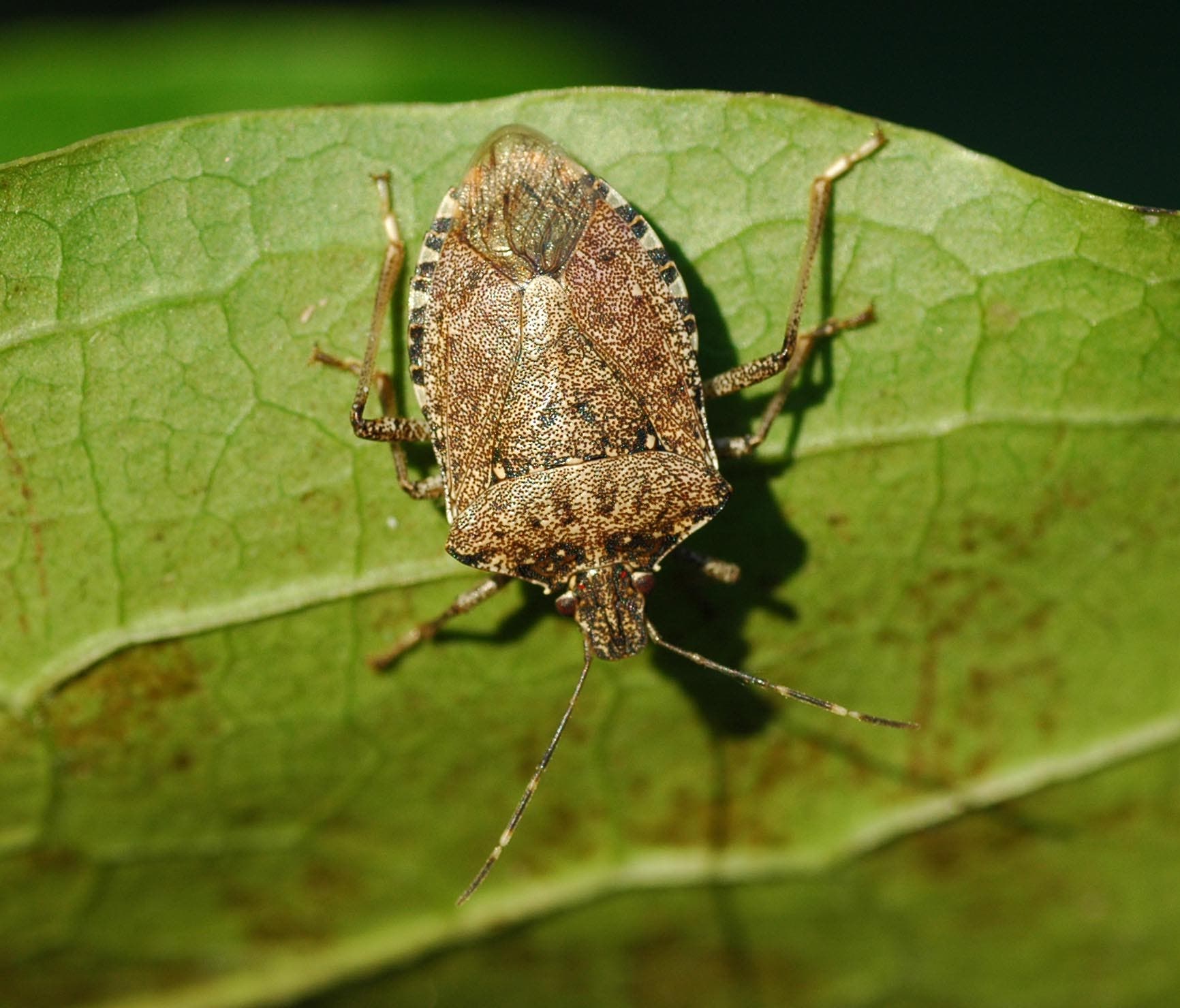
You don't have to go far to see the problems Stink Bugs cause. Just ask owner Peter Perretta. Just a few months ago the bugs plagued his office.
“It was down right annoying,” Peretta said. “The only place they were in the business was in my office. I tried everything.”
He would spray them and this seemed to work for a while, but they always came back. Exterminators told him there was nothing he could do. But Perretta said a good friend gave him the answer: “[A couple] of $9.99 flea and tick bombs from Giant got rid of them and they never came back.”
Find out what's happening in Manassas Parkfor free with the latest updates from Patch.
To many in the community like Perretta, the Stink Bugs—also called the Brown Marmorated Stink Bug—are a mild annoyance, but to farmers they pose a larger problem.
That's why this summer the EPA granted an emergency exemption for Virginian farmers to use pesticides on fruit crops to ward of the Stink Bug. In June, Todd Haymore, the U.S. Secretary of Agriculture and Forestry expedited a request from the Virginia Department of Agriculture and Consumer Services to use Dinotefuran to help control the bug.
Find out what's happening in Manassas Parkfor free with the latest updates from Patch.
A native species of Asia, the Stink Bug has few natural predators in the US. They primarily feed on fruit trees, causing the fruit to become scarred and mealy, making it impossible to sell.
First introduced into the US in the mid-1990s, Stink Bugs have spread to 36 states and DC. Last year in Virginia alone, Stink Bugs caused $37 million in damages to just the Apple crop.
According to the Environmental Protection Agency (EPA), the bugs have also been known to feed on field crops as well. Some experts in the state worry that they will start spreading to cotton, soybean and corn—some of the the state's most profitable crops.
Congressmen Frank Wolf (10th District) indicated his support for the exemption because it provides growers with another tool to minimize the damage caused by the bug.
“Agriculture is Virginia's largest industry and our fruit products are known domestically and abroad for their exceptionally high quality and outstanding tastes,” Haymore said. “These pests are causing our producers economic losses and damaging the state's reputation in the marketplace, so I am grateful that the EPA handled our exemption request in an expedited manner.”
The exemption which went into effect June 24 includes stone fruits such as peaches and nectarines and pome fruit such as apples and pears. The exemption expires Oct. 15.