Health & Fitness
Creating a Landscape Plan
A great landscape starts with a plan. In my experience, there are a few basics that underlying any great design.
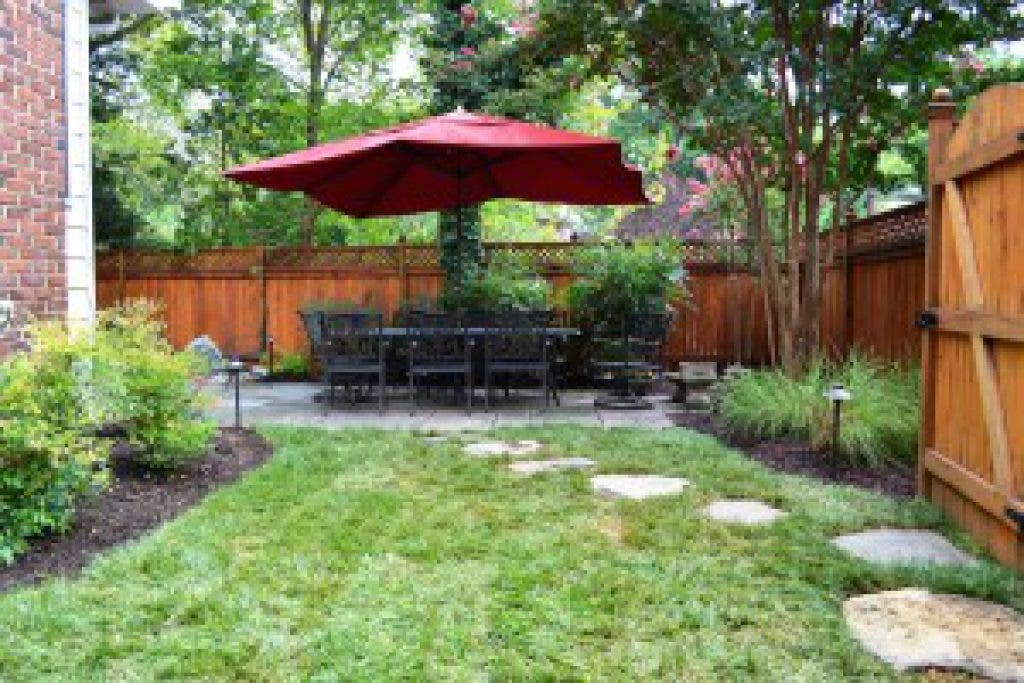
Tip of the Week: Landscape Design Basics.
Last week's discussion on curb appeal leads me to talk about the heart of any great landscape - a design. Having developed landscape designs for my clients, I can tell you there are three basic elements that make a design unique and beautiful and should be considered when creating a plan for your landscape.
Find out what's happening in Old Town Alexandriafor free with the latest updates from Patch.
1. Your desires and time constraints. Determining a landscape style that you find inviting and makes you smile is a very important first step. Some popular styles include English Garden, Formal, Informal, Oriental, and Woodland. While matching the landscape style to that of your home is important, I also encourage my clients to mix in a bit of their personality. After all, it is their landscape. Pick up a gardening magazine or go online to start brainstorming what appeals to you. I often drive my clients around Rosemont and Del Ray to get a sense of different things they like and those they do not. Also, consider how much time you want to spend working on your landscape. I encourage an 80/20 mix of plantings - 80% lower maintenance plantings achieved through shrubs, trees, and perennial flowers, and 20% higher maintenance plantings achieved through annual flowers or perennials, which may require or some splitting for propagation each year.
2. Assess your yard. When creating a design, I always start by examining potentially different zones within a property and their corresponding light and soil conditions. Your front and back yards likely have different landscape zones. For instance, standing at the front of your house, you may easily discern three istinct zones: 1) the front of the house and its boarder; 2) a tree or landmark; and 3) the street entrance. Go to the back of your house and repeat the same process. After establishing these zones, deteremine if your soil in each is slightly damp and well drained, dry and powdery, or is it soaking wet most of the time. Do you have full sun at least 6 hours a day, primarily shade, or like most of my clients, do you a have a mix of full sun to part shade? Determining your soil condition and how much sun you get in different parts of your yard is critical to making sure your landscape plantings succeed.
Find out what's happening in Old Town Alexandriafor free with the latest updates from Patch.
3. Plants, plants,plants. Pick plantings that will work best for your yard and the individual landscape zones you have established based on sun and soil determinations. Here are some of my favorites that I often work into my clients' designs, which generally do well in our area. For foundational plantings, I highly recommend Boxwood, Schip and Otto Luken Laurel, Inkberry, Azaleas, and, if you have a lot of sun, Knock Out Roses (a shrub variety of roses that come in a range of gorgeous colors). These plantings keep their leaves all year long and some flower. I also love Hydrangeas that do well in part shade. These beauties do lose their leaves during the winter, but come back late spring with vigor and, when left alone they become large, beautiful blooms. For plantings that add additional impact and color throughout the seasons and work well in full sun to part shade, I recommend Astilbe, Peony, Fall Anemone, and Woodland Phlox. They all come in variety of colors and come back each year, requiring little if any maintenance. For areas that are very shady, I recommend Ferns and Hostas. And for early spring color, plant some hyacinth, tulip or daffodil bulbs in the fall.
Question of the Week: Can a landscape design include different phases?
This week's question relates to budget and design flexibility. When completing a design for your home, I recommend building an entire design to get a sense of what the completed landscape will look like, but incorporating potential phasing. Any great design should allow you to complete its look in phases to accommodate budgets and requirements as needed. For instance, this might entail placing some foundational plantings with a few colorful buds, which are placed to accommodate a future walkway, but look fantastic in the meantime while you save up for that new path.
Got a landscaping question? Send it my way: PatchQuestions@GreenerSideLLC.com.
Aaron Gorski
Owner, The Greener Side Lawn & Landscaping LLC