Health & Fitness
Rain Rain Go Away?
While everyone loves a sunny day – your lawn and garden don't mind a little relief from the hot sun. Capitalize on rainy days by setting up rain capture systems like rain barrels.
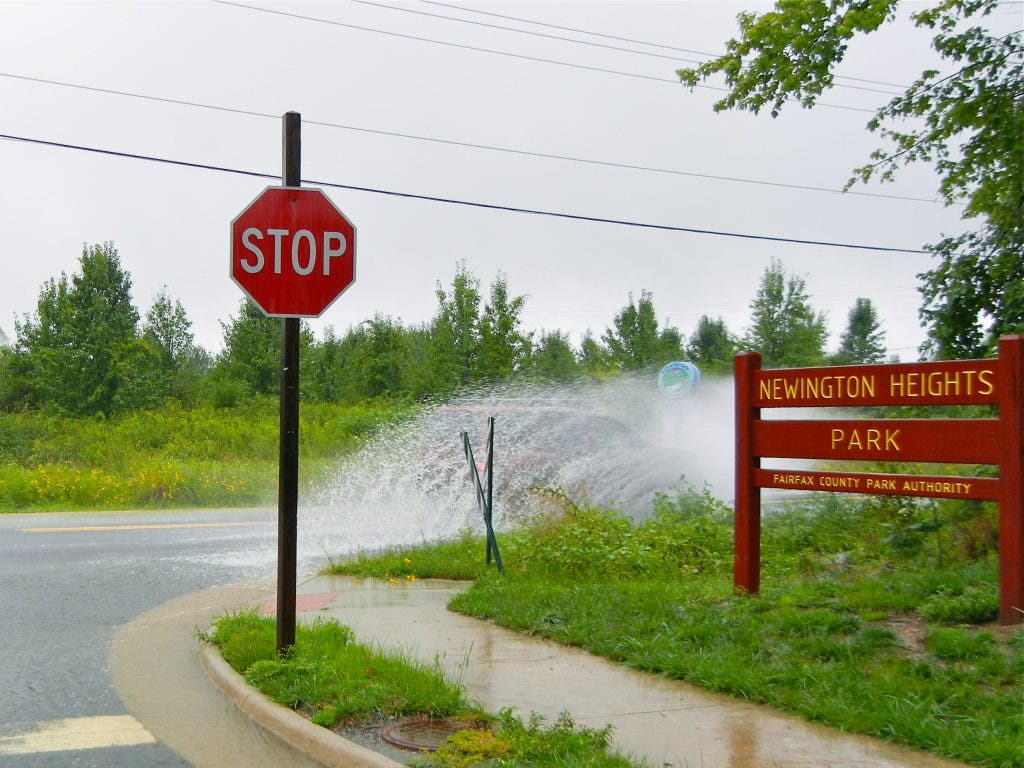
Tip of the Week: Rain-Rain Go Away?
Rain capture systems are nothing new to farmers and gardeners, they have been using them for eons. But, with today’s modern technology and access to more sophisticated watering techniques, this tried and true way to harvest water has gone by the wayside for access to convince offered by the common outdoor spigot and automatic sprinklers. However, with the convenience of this technology has come an explosion in water consumption along with additives such as fluoride and chlorine found in our natural water supplies.
So, instead of wishing the rain would go away – capitalize on the rain by capturing it in rain barrels. They are easy to install, can save you money on your next water bill, and benefit the environment as well.
Find out what's happening in Old Town Alexandriafor free with the latest updates from Patch.
Here’s how to install:
1) Choosing a Rain Barrel: First before installing a rain barrel consider your current watering habits and what you hope to achieve. The ideal size rain barrel for an average size home is between 50 and 60 gallons. There are also a variety of designs and materials to choose from - plastic, clay, and wood. The most important thing to note is to keep your rain barrel covered at all times to ensure bugs and debris do not get in.
Find out what's happening in Old Town Alexandriafor free with the latest updates from Patch.
2) Installing: Place your rain barrel in a convenient spot with a down-spout that is close to the areas and things you will be watering. Once you’ve identified a convenient down-spout, you will need to saw off or remove several inches of the down-spout to make way for the barrel. You may also install a down-spout diverter to slow the flow and clear debris before it makes its way to your barrel. Also, consider elevating your rain barrel for faster water flow and an even surface. To do this, create a base with cinderblocks, and then install the rain spout adapter and spigot. Finally, attached a hose to the spigot.
3) Harvesting and Maintenance: Finally, you are ready to use your rain water! This is a vitally important step. Don’t allow your rain water to become stagnant and/or overflow. Use it regularly and clean it at least once a year with vinegar or environmentally friendly soap. You will also want to be sure to drain it in the winter and clean the down-spout and down-spout diverter.
Question of the Week: Can I plant perennials over my bulbs?
The short answer is yes; the long answer is it depends on what type of perennial you’re planting over your bulbs. Generally, you can plant what are considered “loose” perennials and ground covers over bulbs – they are types that easily allow the bulb to pop out of the ground and peak. Dense perennials like roses, peonies, astilbe, and hellebore have heavy and dense blooms which won’t allow for the bulb to fully develop.
Got a landscaping question? Send it my way: mailto:PatchQuestions@GreenerSideLLC.com
Happy Planting!
Aaron Gorski
Owner, The Greener Side Lawn & Landscaping, LLC