Health & Fitness
Turf Twitter: Conquering Crabgrass This Spring!
Does your battle with crabgrass wage on? Here are some helpful tips to winning this war this spring.
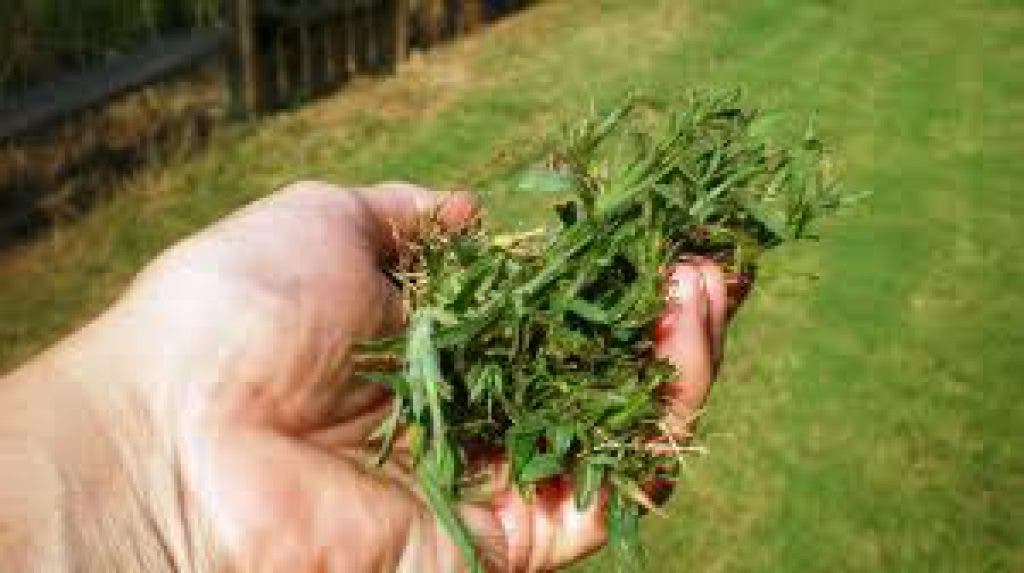
This week, I’m discussing a topic that is top of mind for most of my customers this time of year – their battle with crabgrass!
Tip of the Week: How to Conquer Crabgrass
Find out what's happening in Old Town Alexandriafor free with the latest updates from Patch.
Crabgrass is the “pest” of lawn care. With tremendous reproductive capabilities, crabgrass is a common beast. Just one crabgrass plant can produce thousands of seeds. These seeds can remain in the soil for many years before sprouting, making your soil a seed bank of crabgrass regardless of prior efforts to control it. You can make it more difficult for crabgrass to sprout and become established in your lawn by developing a thicker turf, however.
So, what steps can you take to control this nasty pest? A few key tips to make your lawn less hospitable to crabgrass:
Find out what's happening in Old Town Alexandriafor free with the latest updates from Patch.
- Regular Mowing. Longer grass blades shade the soil, helping to discourage crabgrass seed germination. So, you should mow often enough so that no more than 1/3 of the grass blade needs to be removed at a time.
- Deep Watering. Frequent, light sprinkling should be avoided since this will promote a shallow root system and less hardy turf. Instead, it's best to irrigate deeply, letting the water penetrate 6 inches deep to encourage a deeper root system and a more robust stand of grass.
- Proper Fertilization. Crowd out crabgrass plants by providing your lawn with the proper nutrients in the right doses to promote overall thicker, healthier turf growth.
- Insect and Disease Controls as Needed. Be sure to treat your nourished turf for insects and other local diseases as needed to further encourage healthy growth. Left untreated, insects and diseases can do major damage to your lawn, thinning out your turf and leaving more room for crabgrass plants to grow.
- Do NOT Pull Crabgrass. Many find it ever so tempting to just pull those nasty pests right out of their lawns. Unless you fully remove the plants roots (which is often not the case), pulling the plant can actually spread the seeds. Yikes!
Question of the Week: What is a pre-emergent herbicide and how does it apply to crabgrass?
A pre-emergent herbicide is a form of weed control that kills plants soon after their seeds germinate, prior to their emergence above ground. Pre-emergent herbicides won’t work if they are applied after seed germination. In our area, it is best to apply pre-emergent herbicide when the soil temperatures are between 55 and 60 degrees. The catch however is that pre-emergents will stop good grass seeds from growing; therefore, any reseeding of your lawn should NOT be done until six to eight weeks after a pre-emergent application.
With the time to conquer your crabgrass just around the corner, remember these basics to win the war with your crabgrass this spring!
Send your crabgrass or other landscape questions to: PatchQuestions@GreenerSideLLC.com.
Good luck!
Aaron Gorski
Owner, The Greener Side Lawn & Landscaping LLC