Neighbor News
3 Tips for Making the Entrance to Your Home More Aging-in-Place Friendly
An important part of successfully aging-in-place is being able to safely come and go as you please.

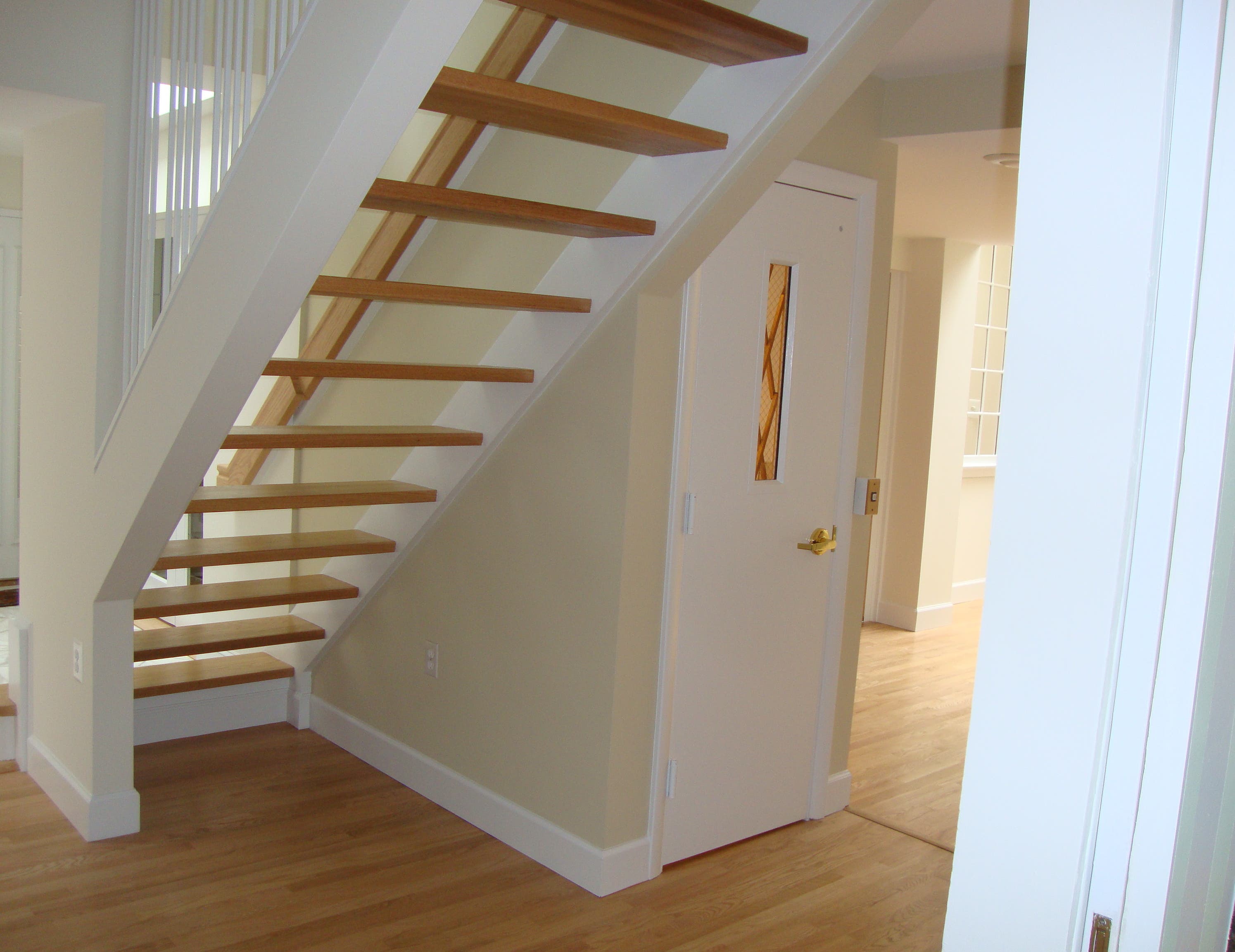

If you’re an older adult planning on aging-in-place, you’ve probably spend quite a bit of time thinking about how to make your current home accommodating to your changing needs. While renovations to spaces like bathrooms and kitchens are perhaps a bit more exciting, there’s one area of your home you’ll need to address sooner rather than later: your entrance.
Going in and out of your home is an action you’ve likely completed thousands of times. However, as you age, you’ll need to consider how you can best continue doing so in a safe manner. Here are our three best tips for assessing how aging-in-place friendly your home entrances are:
Consider the obstacles
Find out what's happening in Viennafor free with the latest updates from Patch.
Does entering your home require climbing stairs? If so, is there a landing at the top of the stairs where you can rest and maintain your balance while you search for your keys? Do you have both a main door and a storm door to contend with? All of these details could affect the safety of your entrance and may warrant a renovation, depending on your specific needs.
Emphasize balance
Find out what's happening in Viennafor free with the latest updates from Patch.
If your home does has stairs at the entranceway, make sure the railing is solid and, ideally, on both sides. You may want to consider adding a grab bar to the landing for steadying as you navigate unlocking and crossing the threshold.
Improve the lighting
Having an easily illuminated space can make navigating entranceways significantly safer. A simple upgrade, like motion detector lights, is a great way to make sure you can always see clearly when entering your home.
An important part of successfully aging-in-place is being able to safely come and go as you please—and increasing the accessibility of your entrances is a must have for older adults staying in their homes. Use these three tips to get the conversation started.