On Monday, the Vienna Town Council will deliberate on increasing our current meals tax, coinciding with the Fairfax County Board of Supervisors' consideration of implementing a meals tax. If executed, these additions would make our community one of the most heavily taxed localities—already burdened by a combined state and local sales tax of 6 percent—and potentially in the country for dining out.
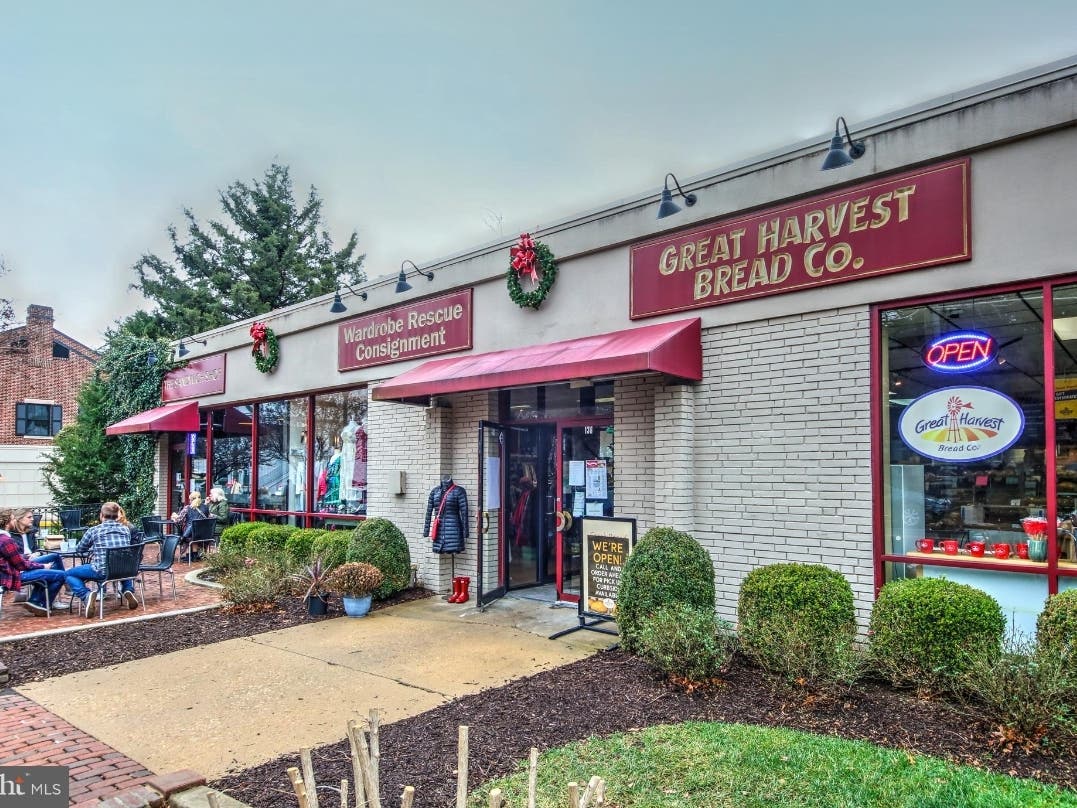
Raising the meals tax is the wrong approach for Vienna to fund the Annex by risking alienating diners and placing unnecessary strain on businesses still recovering from COVID-era difficulties and wrestling with higher food costs due to inflation. Local establishments such as The Sandwich Shop, Vienna Inn, and Bear Branch Tavern are the bedrock of our community. Instead of discouraging patrons with higher taxes, we should encourage dining at these cherished restaurants. Increasing revenue from meal tax is compelling given the growing share of U.S. food spending on dining out, however, meal taxes are unpopular with voters.
Out of the last 60 meal tax referendums in Virginia, forty-seven have been rejected by voters, including three failed efforts in Fairfax County in 1992, 2012, and 2016. Despite the 2020 state law permitting counties to enact meal taxes without voter approval, these decisions should remain in the hands of voters. History demonstrates a strong opposition by voters to this tax.
The ephemeral nature of a meals tax can be dismissed by other cities in Virginia, such as in Alexandria and Charlottesville. The meal tax has been in place in Alexandria since 1975, and the meals tax has been raised in 2015, 2019, 2022, and again in 2024 in Charlottesville. By relying on a lower real estate tax than Fairfax County and maintaining a multibillion-dollar budget, our neighboring county, Loudon County has completely avoided meal taxes.
Additionally, data indicates that meal taxes disproportionately harm seniors, low-to-middle-income families, and restaurant employees. A study comparing restaurants in Fairfax County (no meals tax) and Arlington County (with a meals tax) revealed that Arlington’s waitstaff earns 20% less, and restaurants experience significantly slower sales growth. Over 70% of meals tax revenue comes from local residents, meaning the financial burden falls primarily on Vienna residents.
Vienna is thriving without a meal tax increase. The town’s businesses and households contribute to a robust economy, with a 14.9% rise in sales tax revenue during the first half of 2024 compared to 2023. Vienna’s 1,718 businesses and a median household income of $215,556 demonstrate that the community is thriving without additional tax burdens. The Town of Vienna has either maintained or lowered property taxes for its citizens over the past ten years. Prior infrastructure projects, such as the police station were financed by existing tax revenues and general obligation bonds, among other means.
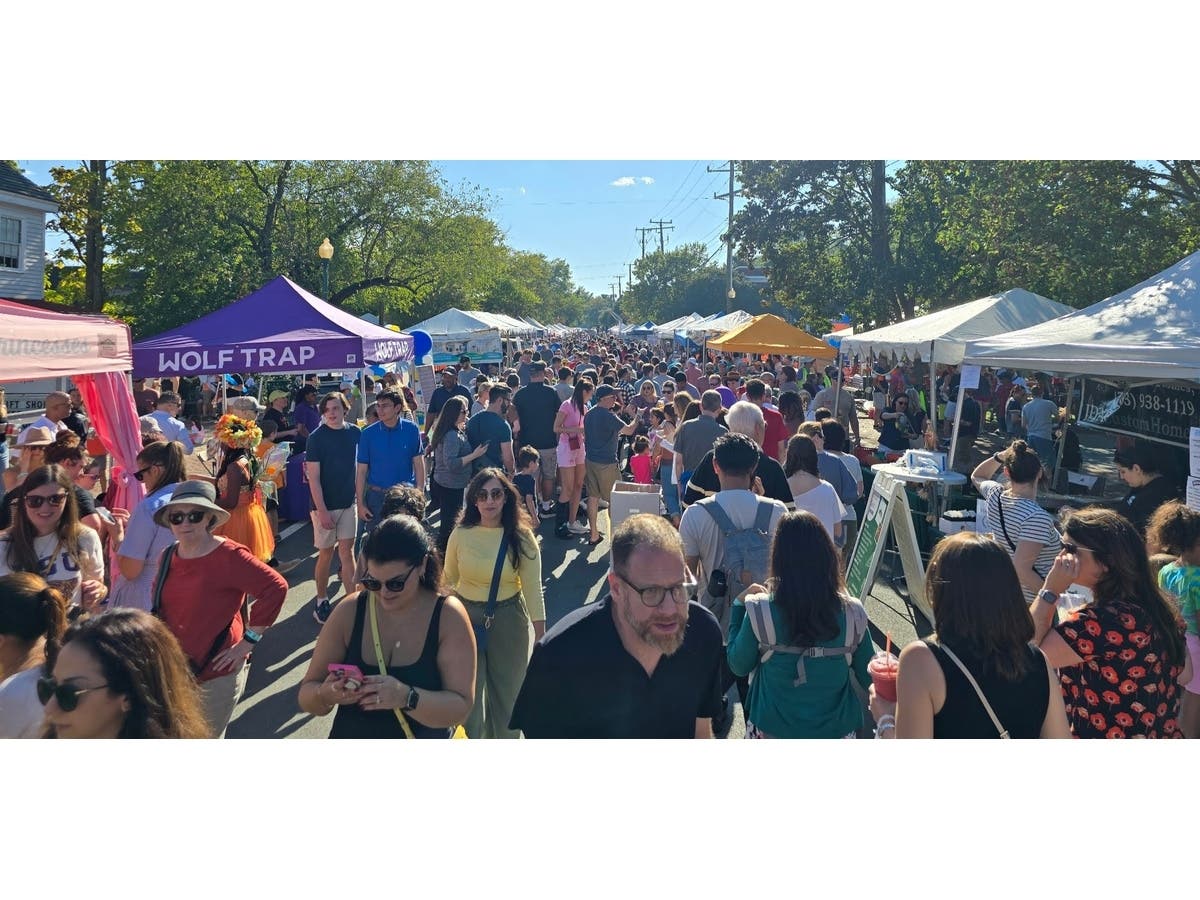
Vienna should consider innovative, community-friendly financial solutions rather than imposing additional levies. Innovative fundraising strategies, grants, and public-private partnerships have been used to successfully support projects throughout cities in the United States. Moreover, boosting events like Vienna Oktoberfest, Small Business Saturday, and Restaurant Week would benefit local companies and attract tourists without negatively affecting the local population. Vienna's restaurants contribute to our economy both financially and culturally, and let’s support them through creative strategies and innovative fundraising rather than imposing an increase in taxes.